Construction of paternal attachment in the context of Neonatal Intensive Care
Introduction: Newborn hospitalization in Neonatal Intensive Care Units (NICU) can significantly impact the development of paternal attachment, with repercussions for newborn health and family structure
Objective: To understand how the development of paternal attachment with premature newborns occurs in Neonatal Intensive Care Unit (NICU) environments during the hospitalization period
Methodology: This is an observational, cross-sectional study using a quantitative-qualitative approach. Data were simultaneously collected through specific instruments for characterizing participants: a quantitative instrument for assessing paternal attachment and semi-structured interviews. Statistical analysis was conducted focusing on the development of paternal attachment, and the interviews were analyzed through thematic content analysis
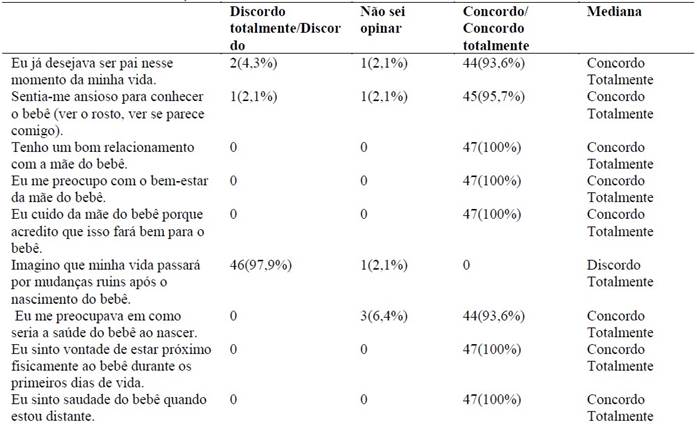
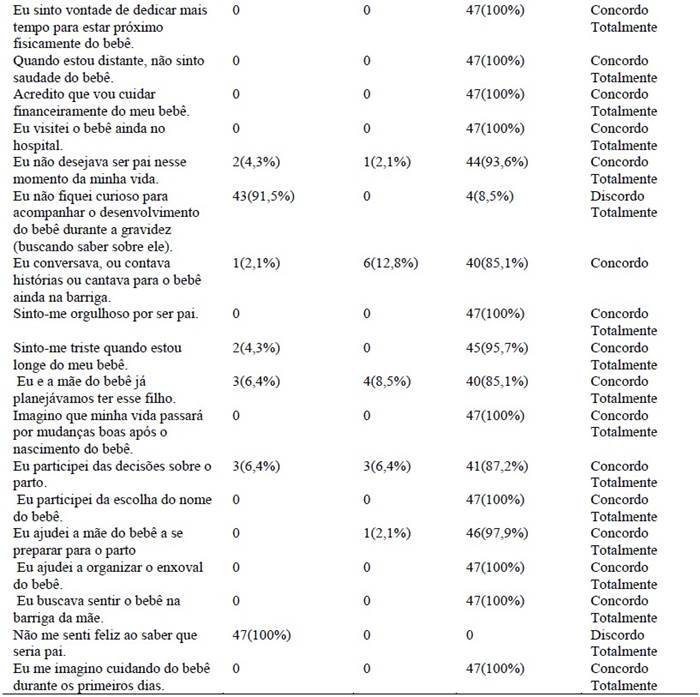
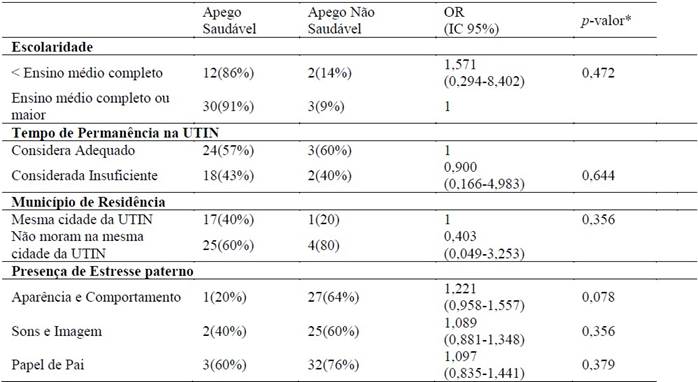
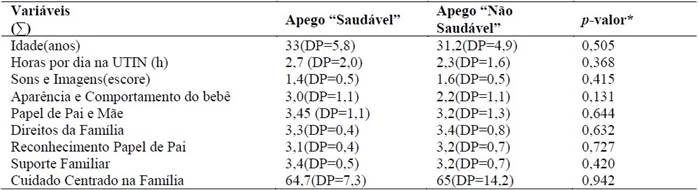
Results: Forty-seven fathers of newborns hospitalized in the NICU were interviewed. The analysis included five representative statements from the paternal figure, which were correlated with the obtained data. The scales used in the study did not show significant values that interfered with the development of paternal attachment. Paternal stress was more pronounced in fathers who, in some way, were unable to develop a healthy attachment with newborns
Conclusions and implications for practice: The study showed that variables such as education level, length of stay in the NICU, and municipality of residence did not negatively influence fathers who made an effort to be present throughout the process. Fathers who actively participated in newborn care in the NICU demonstrated the development of a healthy attachment
Keywords:
neonatal intensive care units; premature newborns; father-child relationships; neonatal nursing