Use of Hormonal Oral Contraceptives in Adolescence in School Services and Primary Health Care: A Scoping Review
Objectives: To map studies on the use of hormonal oral contraceptives in adolescence in school health services and primary health care; identify types of contraceptive pills most used by adolescents, effectiveness rate and side effects; and, describe how the use and storage takes place
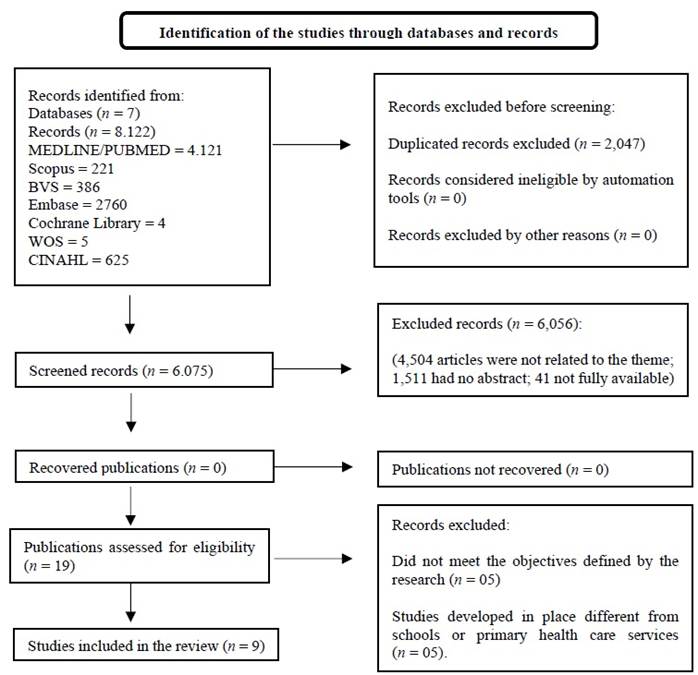
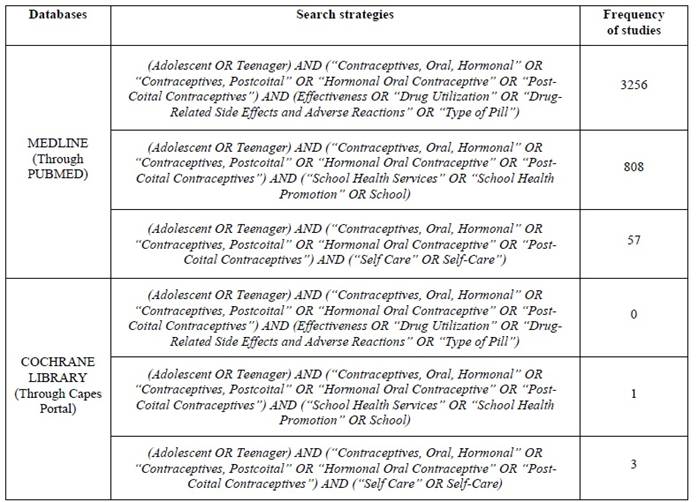
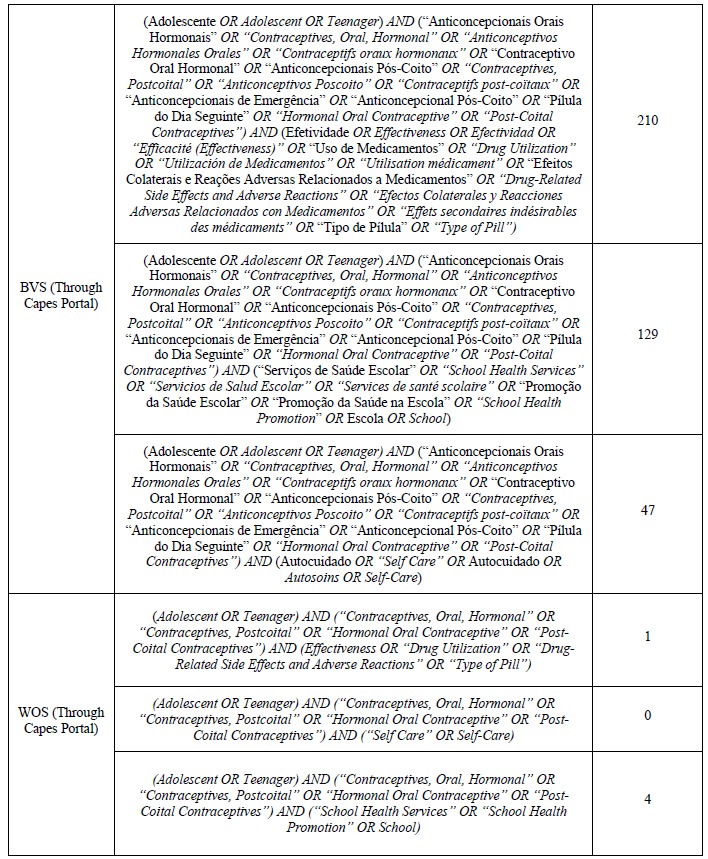
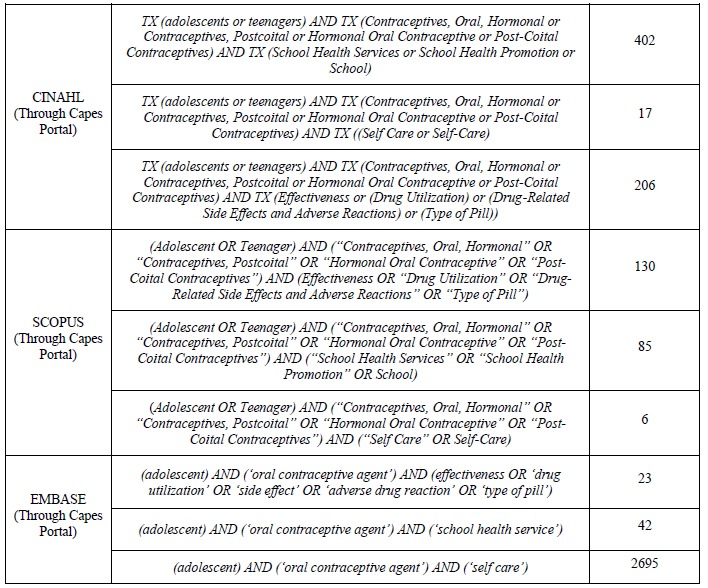
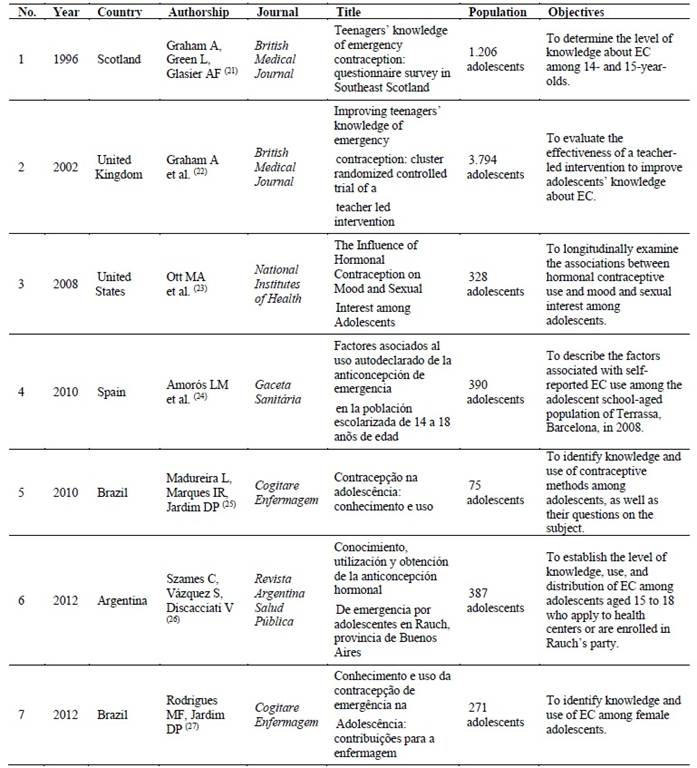
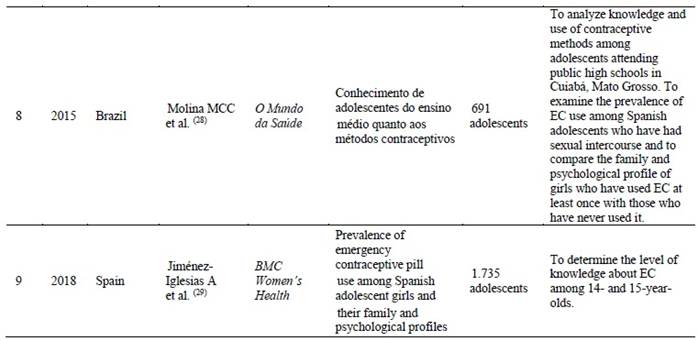
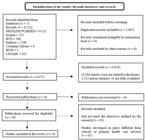
Methodology: Scoping Review, based on the procedures of the Joanna Briggs Institute. Searches were carried out in seven databases without time and language cut. Of the 8,122 studies found, nine were selected
Results: Emergency contraception was the predominant option among adolescents. Other types of contraceptives mapped were combined oral contraceptives. No studies have addressed the effectiveness rate, and misconceptions about its efficacy may allow for inappropriate use. The absence of more robust studies addressing this aspect of oral hormonal contraceptives reveals a gap in the literature. Side effects observed include nausea, headache, menstrual irregularities, and reduced libido. The analysis also identified erroneous beliefs, such as the need to take the pill minutes before intercourse and that it is safe to take three pills at once after forgetting two doses. No studies addressed the storage of oral contraceptives
Conclusion: The lack of information on efficacy and storage can compromise adherence and prevention of unwanted pregnancies, highlighting the importance of sexual and reproductive health education in schools and primary care, for informed decisions and autonomy of adolescents
Keywords:
adolescents; hormonal oral contraceptives; primary health care; school health services
 Thumbnail