Nutrition and Quality of Life in Oncological Palliative Care: Integrative Review
Introduction: Nutrition plays a fundamental role in oncological palliative care, contributing to symptom relief, maintenance of nutritional status, and improvement in patients’ quality of life.
Objective: To review the evidence on the influence of nutrition on the quality of life of cancer patients receiving palliative care, highlighting challenges and strategies to optimize nutritional support within the context of public health and multidisciplinary care.
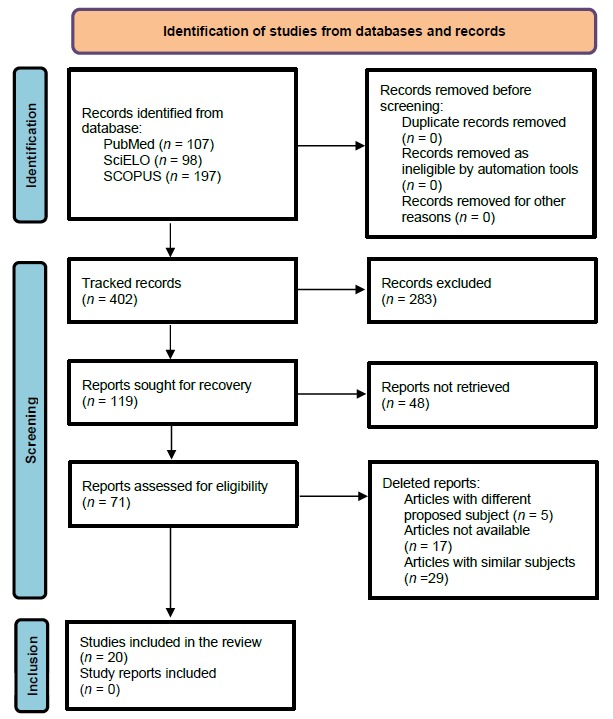
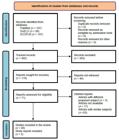
Method: Integrative literature review conducted in accordance with the PRISMA 2020 statement. The PubMed, SciELO, and Scopus databases were searched between January 2019 and June 2024. Inclusion criteria comprised original studies in Portuguese and English addressing the relationship between nutrition and quality of life in oncological palliative care. Reviews, editorials, case reports, and studies not directly related to palliative nutrition were excluded. The search yielded 402 articles; after exclusions, 20 studies were included in the final sample.
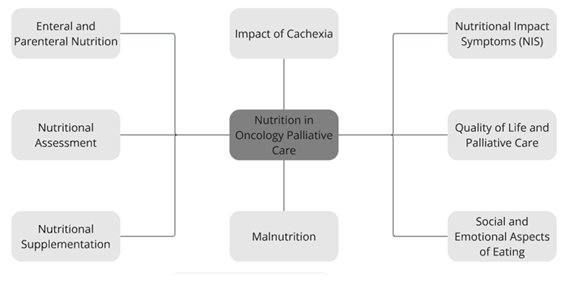
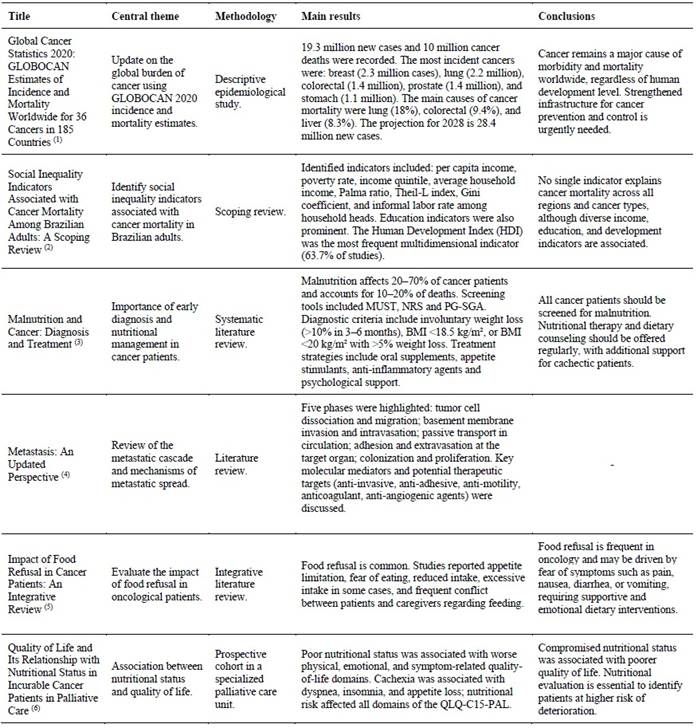
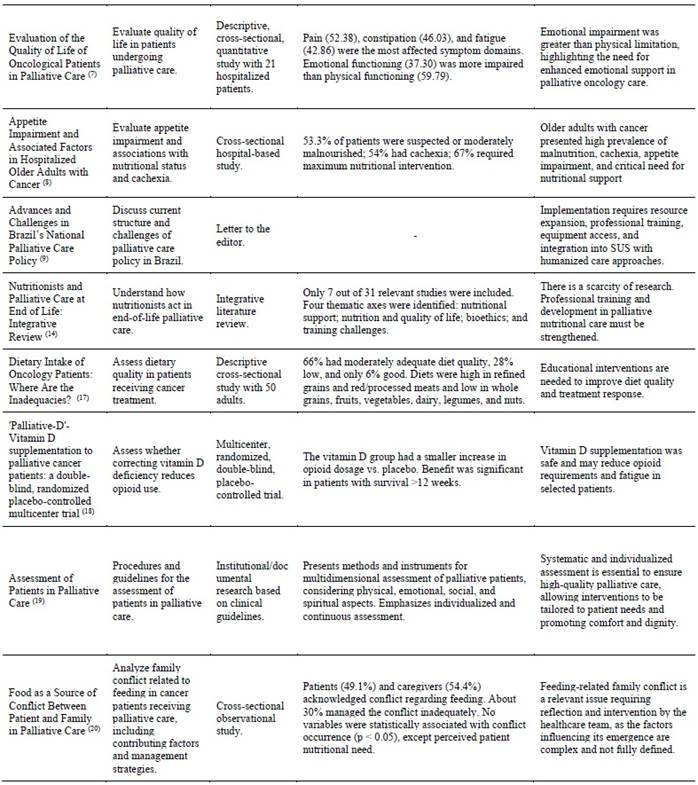
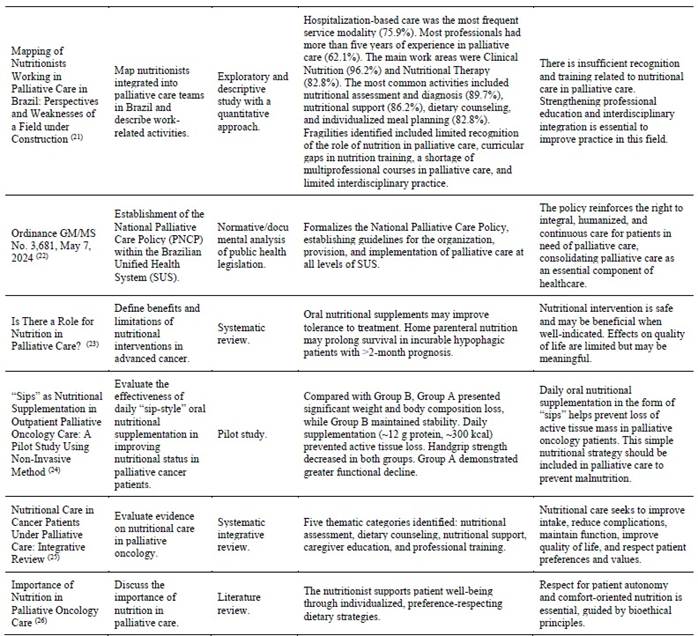
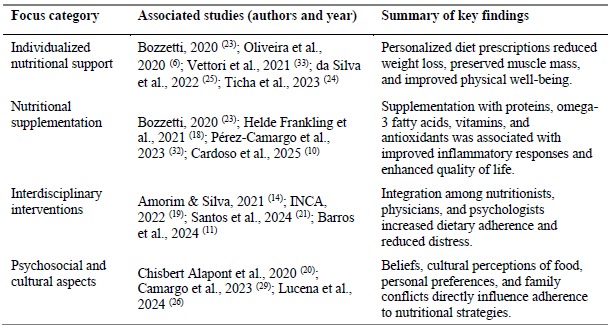
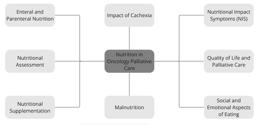
Results: Personalized nutritional support, protein and micronutrient supplementation, and multidisciplinary collaboration are essential for mitigating malnutrition and cachexia in cancer patients. However, the lack of regulation, shortage of trained professionals, and barriers in accessing specialized services limit the effectiveness of nutritional interventions.
Conclusion: Implementing public policies that establish national guidelines for nutrition in palliative care, alongside professional training and adequate funding, may enhance equity in healthcare delivery and improve the quality of life for patients with advanced disease.
Keywords:
palliative care; neoplasms; public health nutrition; feeding behavior; health policy
 Thumbnail
 Thumbnail