Nutrition and Quality of Life in Oncological Palliative Care: Integrative Review
Abstract:
Introduction: Nutrition plays a fundamental role in oncological palliative care, contributing to symptom relief, maintenance of nutritional status, and improvement in patients’ quality of life.
Objective: To review the evidence on the influence of nutrition on the quality of life of cancer patients receiving palliative care, highlighting challenges and strategies to optimize nutritional support within the context of public health and multidisciplinary care.
Method: Integrative literature review conducted in accordance with the PRISMA 2020 statement. The PubMed, SciELO, and Scopus databases were searched between January 2019 and June 2024. Inclusion criteria comprised original studies in Portuguese and English addressing the relationship between nutrition and quality of life in oncological palliative care. Reviews, editorials, case reports, and studies not directly related to palliative nutrition were excluded. The search yielded 402 articles; after exclusions, 20 studies were included in the final sample.
Results: Personalized nutritional support, protein and micronutrient supplementation, and multidisciplinary collaboration are essential for mitigating malnutrition and cachexia in cancer patients. However, the lack of regulation, shortage of trained professionals, and barriers in accessing specialized services limit the effectiveness of nutritional interventions.
Conclusion: Implementing public policies that establish national guidelines for nutrition in palliative care, alongside professional training and adequate funding, may enhance equity in healthcare delivery and improve the quality of life for patients with advanced disease.
Keywords:
palliative care; neoplasms; public health nutrition; feeding behavior; health policy
Resumo:
Introdução: A nutrição tem papel fundamental nos cuidados paliativos oncológicos, contribuindo para o alívio de sintomas, a manutenção do estado nutricional e a qualidade de vida dos pacientes
Objetivo: Revisar as evidências sobre a influência da alimentação na qualidade de vida de pacientes oncológicos em cuidados paliativos, destacando desafios e estratégias para otimizar a assistência nutricional no contexto da saúde coletiva e da atuação multiprofissional.
Métodos: Revisão integrativa de literatura, conduzida de acordo com a declaração PRISMA 2020. Foram pesquisadas as bases de dados PubMed, SciELO e Scopus, entre janeiro de 2019 e junho de 2024. Os critérios de inclusão contemplaram estudos originais, em português e inglês, que abordassem a relação entre nutrição e qualidade de vida em pacientes oncológicos sob cuidados paliativos. Foram excluídas revisões, editoriais, relatos de caso e artigos que não tratassem diretamente de nutrição paliativa. A busca resultou em 402 registros e, após exclusões, 20 estudos compuseram a amostra final.
Resultados: A assistência nutricional personalizada, a suplementação de proteínas e micronutrientes e o suporte multiprofissional são essenciais para mitigar a desnutrição e a caquexia em pacientes oncológicos. Contudo, a ausência de regulamentação, a escassez de profissionais capacitados e as dificuldades no acesso a serviços especializados limitam a efetividade das intervenções nutricionais.
Conclusão: A implementação de políticas públicas que estabeleçam diretrizes nacionais para a nutrição em cuidados paliativos, aliada à capacitação de profissionais e ao financiamento adequado, pode favorecer a equidade no atendimento e para a melhoria da qualidade de vida dos pacientes em fase avançada da doença.
Palavras-chave:
cuidados paliativos; neoplasias; nutrição em saúde pública; comportamento alimentar; política de saúde
Resumen:
Introducción: La nutrición juega un papel fundamental en los cuidados paliativos oncológicos, contribuyendo al alivio de los síntomas, mantenimiento del estado nutricional y calidad de vida de los pacientes.
Objetivo:Método: Revisión integrativa de la literatura, realizada de acuerdo con la declaración PRISMA 2020. Se realizaron búsquedas en PubMed, SciELO y Scopus entre enero de 2019 y junio de 2024. Los criterios de inclusión contemplaron estudios originales en portugués e inglés que aborden la relación entre nutrición y calidad de vida en pacientes con cáncer que reciben cuidados paliativos. Se excluyen reseñas, editoriales, reportes de casos y artículos que no traten directamente sobre nutrición paliativa. La búsqueda arrojó 402 artículos; después de las exclusiones, 20 estudios conformaron la muestra final.
Resultados: La asistencia nutricional personalizada, la suplementación proteica y de micronutrientes y el apoyo multidisciplinario son esenciales para mitigar la desnutrición y la caquexia en pacientes con cáncer. Sin embargo, la falta de regulación, la escasez de profesionales capacitados y las dificultades para acceder a servicios especializados limitan la eficacia de las intervenciones nutricionales.
Conclusión: La implementación de políticas públicas que establezcan lineamientos nacionales de nutrición en cuidados paliativos, combinada con capacitación profesional y financiamiento adecuado, puede contribuir a la equidad en la atención y a mejorar la calidad de vida de los pacientes en etapa avanzada de la enfermedad.
Palabras clave:
cuidados paliativos; neoplasias; nutrición en salud pública; conducta alimentaria; política de salud
Introduction
Among non-communicable chronic diseases (NCDs), cancer is the second leading cause of global mortality. According to the World Health Organization (WHO), approximately 70 % of cancer-related deaths occur in low- and middle-income countries, where access to early diagnosis and adequate treatment remains limited. In Brazil, the National Cancer Institute (INCA) estimates that between 2023 and 2025, approximately 704,000 new cancer cases will be diagnosed, making cancer one of the main challenges for public health in the country.1 Neoplasms affect individuals across all socioeconomic strata and are more prevalent in vulnerable populations such as the elderly and those with lower levels of education and income.2 Moreover, cancer continues to represent a growing global health concern, with an ongoing increase in the number of cases each year. 3
Cancer cells display distinct behavior compared to normal cells, characterized by rapid and uncontrolled division. This abnormal tissue proliferation can be classified as benign or malignant, depending on its potential for invasion and metastasis.4 The development of cancer involves both internal and external factors, including genetic predisposition, hormonal imbalances, immune dysfunctions, inadequate dietary patterns, lifestyle habits, and exposure to carcinogenic chemical agents. 5 Given the complexity of the disease and its systemic repercussions, palliative care becomes an essential approach. 6
The WHO (2002) defines palliative care as an approach aimed at improving the quality of life of patients and their families facing life-threatening illness through the prevention and relief of suffering. This approach requires early identification, thorough assessment, and effective management of pain, as well as attention to physical, psychosocial, and spiritual issues.7 Therefore, palliative care should be implemented from the moment of diagnosis and intensified as needed, ensuring continuous and humanized support throughout the disease trajectory. 8 In Brazil, palliative care was incorporated into the National Oncology Care Policy to guarantee comprehensive care for patients with advanced diseases. However, the availability of specialized services remains limited-especially within the Unified Health System (SUS)-which hinders access to supportive therapies, including adequate nutritional interventions.9
It is important to emphasize that nutritional challenges vary according to the care setting, whether hospital-based or home-based. In hospitals, patients are frequently exposed to acute complications, dietary restrictions, infections, and invasive therapies requiring close monitoring. Conversely, in home-based settings, logistical barriers, family infrastructure limitations, reduced professional supervision, and adherence difficulties become more prominent. Studies on home nutritional therapy for palliative patients indicate that access to supplies, professional support, and socioeconomic conditions strongly influence success rates.10 Moreover, research on the “dehospitalization” process in palliative care shows that transitioning to home care presents challenges in ensuring continuity of assistance and symptom control.11
Cancer and its treatments can trigger several adverse effects that directly impact nutritional status, eating behavior, and patients’ overall well-being. The most common complications include taste alterations, food aversion, mucositis, xerostomia, dysphagia, and, most notably, malnutrition.5 Maintaining adequate eating behavior throughout treatment can enhance therapeutic efficacy, prevent infections, and preserve patients’ energy levels.12 One of the most critical nutritional challenges in oncology is cachexia-a syndrome characterized by significant weight loss, depletion of skeletal muscle mass, immune alterations, appetite reduction, and metabolic imbalances. It is estimated that cachexia affects up to 80 % of cancer patients in advanced stages, contributing substantially to morbidity and mortality and reducing quality of life.13 The absence of standardized nutritional protocols for cancer patients receiving palliative care exacerbates this scenario, underscoring the need to include nutritional strategies within national public health policies.14
Another major obstacle to effective nutritional support is the cost of supplies (such as oral supplements and enteral formulas) and their limited coverage by the SUS. Hospital-based studies have shown that direct costs associated with enteral nutrition (formulas, equipment, and containers) often exceed the standard reimbursement provided by the SUS, revealing funding gaps. In outpatient settings, reports from the National Committee for Health Technology Incorporation (CONITEC) emphasize that oral nutritional supplements are important but often inaccessible due to high costs and lack of full incorporation into the public health system. Furthermore, judicial disputes over access to nutritional formulas reveal that many patients resort to legal action to secure this right. 15
Beyond nutritional aspects, psychological support and mental health care are also necessary. Multidisciplinary support, including psychologists, has been shown to improve adherence to dietary interventions, enhance food acceptance, and reduce the prevalence of anxiety and depression. 12
Quality of life, one of the main outcomes in palliative care, should be assessed through validated instruments of Health-Related Quality of Life (HRQoL), which differ from general quality of life measures by evaluating specific dimensions such as symptoms, physical, emotional, and social functioning in patients with advanced chronic illness. 13
Given the significant nutritional impacts caused by cancer and its treatments-especially in advanced disease stages-there is a clear need to integrate nutritional care plans tailored to the palliative context. However, the scarcity of guidelines and scientific evidence consolidating best practices in palliative nutrition justifies the present integrative review. Therefore, this study aims to critically review and analyze the available evidence on the influence of nutrition on the quality of life of cancer patients receiving palliative care, highlighting challenges and strategies to optimize nutritional assistance within the scope of public health and multidisciplinary practice.
Method
This study is an integrative literature review, a method chosen because it allows for the synthesis of studies with different methodological approaches and provides a comprehensive understanding of the investigated phenomenon, including both theoretical and empirical evidence. The choice of this method was based on the framework proposed by Whittemore and Knafl (2005), who highlight the integrative review as an appropriate approach for identifying gaps, analyzing the available scientific production, and supporting evidence-based practices. The main objective of this study was to analyze the relationship between nutrition and quality of life in cancer patients receiving palliative care, aiming to provide support for clinical practice and public health policies. The review was conducted following the Preferred Reporting Items for Systematic Reviews and Meta-Analyses (PRISMA 2020) guidelines, (16 adapted to the integrative design to ensure transparency in the process of data search, selection, and synthesis. The PRISMA statement was applied during the selection process, providing standardized criteria for the identification, screening, and eligibility of articles, as well as supporting the elaboration of a flowchart documenting all stages.
The search was carried out in the PubMed, SciELO, and Scopus databases, covering articles published between January 1, 2019, and June 30, 2024. These databases were chosen due to their relevance in indexing studies in the fields of health sciences and nutrition. The descriptors used were extracted from the controlled vocabularies MeSH (Medical Subject Headings) and DeCS (Health Sciences Descriptors), including the terms: palliative care, medical oncology, neoplasms, diet, feeding behavior, diet, food, and nutrition, and nutrology. These descriptors were combined using the Boolean operators AND and OR to refine the search strategy.
Data extraction and screening were carried out collaboratively by two researchers, who discussed and jointly decided on article inclusion. The Mendeley reference manager was also used to organize the selected articles and identify duplicates.
The following inclusion criteria were established: original articles published in English and Portuguese; adult participants receiving oncological palliative care; studies addressing the relationship between nutrition and quality of life in cancer patients under palliative care; studies using quantitative or qualitative methodologies to assess nutritional impact; primary focus on interventions, challenges, or strategies related to nutrition.
The exclusion criteria were: case studies, editorials, and letters to the editor; articles that did not address any nutritional aspects; articles addressing only general aspects of nutrition without focusing on the palliative context; studies involving pediatric populations; studies not indexed in internationally recognized scientific journals.
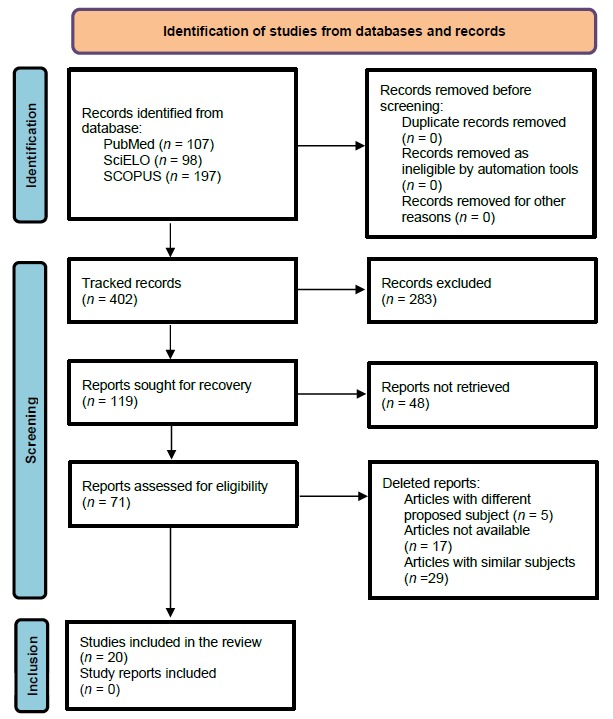
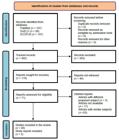
The article screening followed three stages: (1) Identification, in which articles were retrieved from the databases; (2) screening, where duplicate and irrelevant studies were excluded based on title and abstract reading; and (3) Eligibility, consisting of full-text analysis to verify compliance with the established criteria. The selection process was documented through the PRISMA flowchart (Figure 1).
The analysis of the articles was performed descriptively and systematically, considering the following aspects: title, abstract, objectives, methodology, main findings, and conclusions. The quality assessment of the articles included was performed by two independent researchers. Discrepancies were discussed collaboratively, and the study supervisors later validated the final version. This process ensured greater reliability in the selection and analysis of studies. The categorization of studies was defined inductively, based on the complete reading of the articles and grouping by content similarity. The thematic categories included the identification of nutritional strategies employed, clinical outcomes evaluated and impacts on the quality of life of cancer patients. This organization into thematic categories aimed to facilitate the interpretation and discussion of the results.
With this methodological approach, the study sought to provide a comprehensive overview of nutrition in oncological palliative care, contributing to the identification of knowledge gaps and proposing recommendations for clinical practice and public health policies.
Results
The search conducted in the PubMed, SciELO, and Scopus databases resulted in a total of 402 articles. After removing duplicates (n = 78) and performing the initial screening based on titles and abstracts, 215 articles were excluded for not meeting the inclusion criteria. A full reading of the remaining 109 articles led to the exclusion of 89 studies, as they addressed topics not directly related to nutrition in oncological palliative care or did not present adequate methodology. At the end of the selection process, 20 studies constituted the final sample of this review. Figure 1 presents the flowchart according to the PRISMA 2020 model. 16
Of the 20 articles included, most were published between 2019 and 2023, predominantly in English, with a few national studies in Portuguese and Spanish. Regarding study design, observational studies prevailed, followed by clinical trials and integrative reviews. The countries with the highest number of publications were the United States, Brazil, and Spain. This global characterization reinforces both the international relevance of the topic and the scarcity of specific research in the Latin American context.
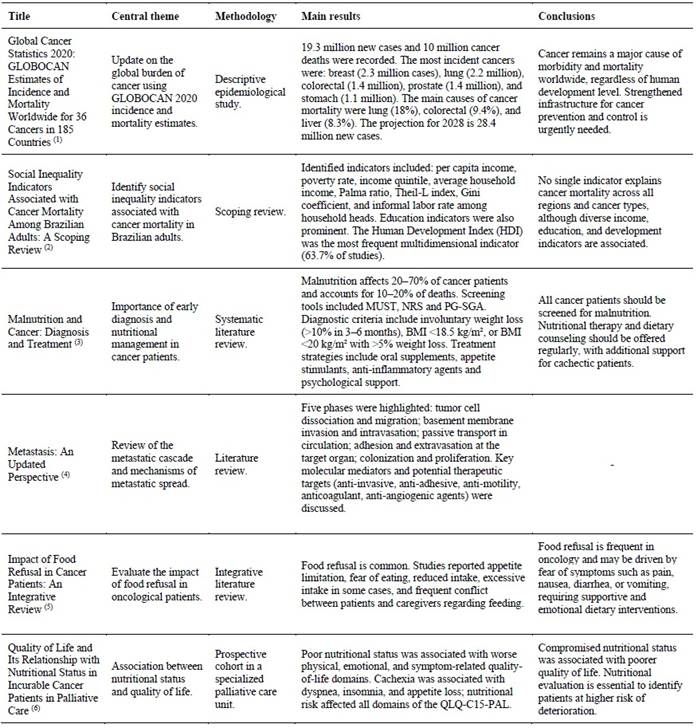
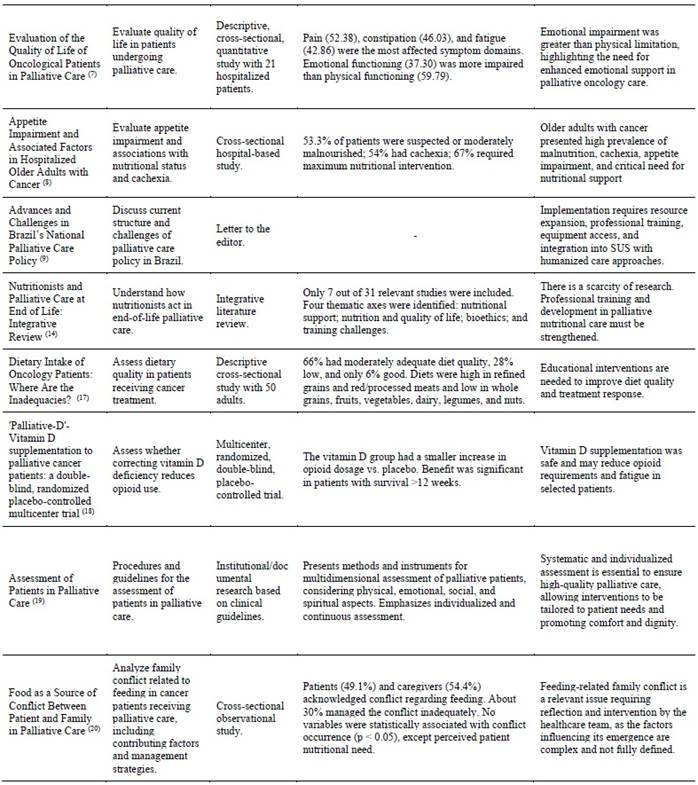
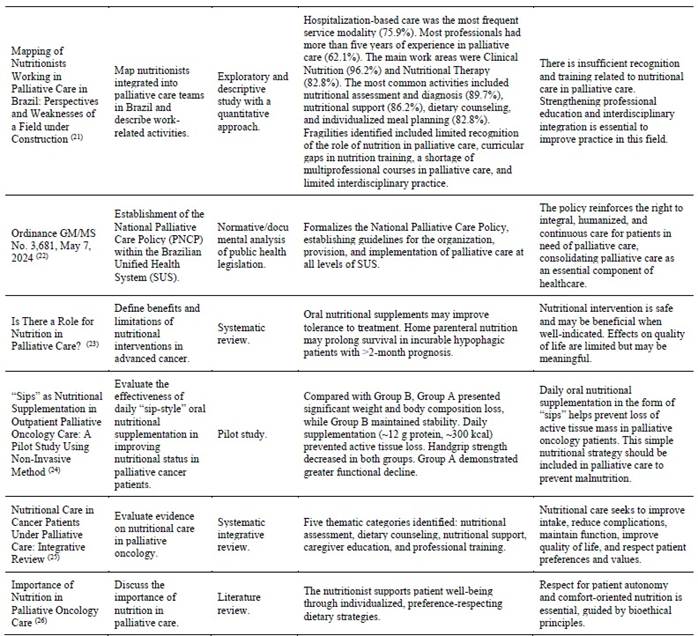
The main characteristics of the included studies, such as title, central theme, methodological design, main findings, and conclusions are organized in Table 1 . ., providing an overview of the selected evidence.
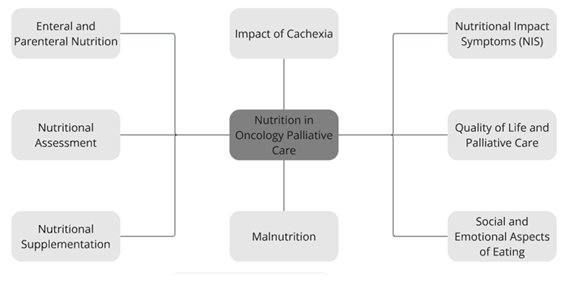
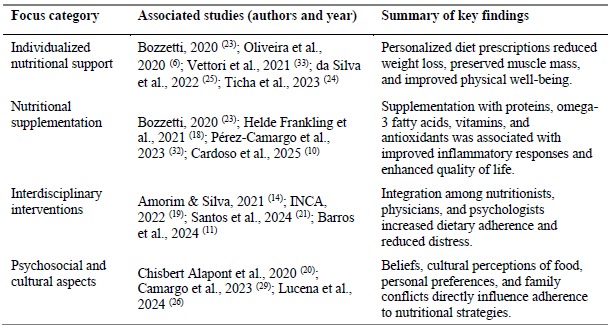
Based on the thematic analysis of the included studies, four main focus categories related to nutrition in oncological palliative care were identified. These categories synthesize the different types of approaches described in the literature, allowing a comprehensive understanding of the range of nutritional strategies employed. Table 2 presents the distribution of the studies according to each category and a summary of their key findings.
The focus categories were validated using inductive analysis assisted by artificial intelligence (AI)-specifically, the ChatGPT model (OpenAI, version GPT-5, used in August 2025)-employed to semantically group recurring descriptors and themes. Subsequently, the results of this analysis were reviewed by a specialist in palliative nutrition, ensuring thematic coherence and consistency among the studies analyzed.
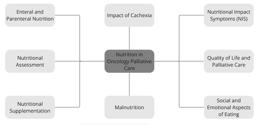
The reviewed studies demonstrated that nutrition plays a fundamental role in improving the quality of life of oncology patients receiving palliative care, supporting the management of cachexia, malnutrition, fatigue, and the emotional impact of the disease. Among the most frequently reported approaches, the following stand out:
-
1. Individualized nutritional support: The prescription of diets tailored to the patients’ energy and protein needs proved effective in reducing weight loss and preserving skeletal muscle mass. 8
-
2. Use of nutritional supplementation: Supplementation with proteins, essential amino acids, omega-3 fatty acids, vitamins such as vitamin D, and antioxidants was associated with improved inflammatory response and increased patient survival. 17
-
3. Interdisciplinary interventions: Integration of the multidisciplinary team, including nutritionists, physicians, and psychologists, was identified as essential for adherence to nutritional recommendations and for promoting overall patient well-being. (18, 19)
-
4. Influence of psychosocial and cultural aspects: Food acceptance and patient preferences were highlighted as determining factors for adherence to nutritional strategies, reinforcing the need for approaches sensitive to social and family context. 20
Additionally, the studies indicate that enteral and parenteral nutrition remain controversial topics in oncological palliative care. While some articles reported benefits of enteral nutritional support in advanced disease stages, others emphasized that decisions regarding the initiation or continuation of artificial nutrition should prioritize quality of life and patient preferences rather than survival alone. 17,20
The included studies also highlighted relevant barriers, such as poor adherence to nutritional guidance due to fatigue, nausea, and gastrointestinal symptoms; financial limitations regarding supplement acquisition; insufficient coverage within the public health system; scarcity of professionals trained in palliative oncology nutrition; and emotional and physical burden on family caregivers. These barriers limit the effectiveness of nutritional interventions and reinforce the need for equitable and accessible strategies. 7,11
The findings also revealed knowledge gaps and challenges in the implementation of nutritional protocols for palliative patients in Brazil’s Unified Health System (SUS). The lack of clear guidelines and the heterogeneity of care practices were identified as obstacles to more structured nutritional support. Furthermore, insufficient training of healthcare professionals regarding the role of nutrition in this phase of illness was cited as a limiting factor for adequate nutritional care. 9,11
There is also evident geographic inequality and an insufficient number of nutritionists working in palliative care teams in Brazil, particularly in the North and Northeast regions. The scarcity of qualified professionals compromises continuity of nutritional care and interdisciplinary integration, indicating a field that is still developing and facing structural challenges. 21
Scientific limitations were also identified, including methodological heterogeneity, small sample sizes, and lack of standardization in nutritional assessment criteria. The scarcity of clinical trials and high-quality studies limits the consistency of available evidence and complicates cross-study comparisons. These issues reflect broader challenges in palliative oncology research and highlight the need for multicenter studies with more rigorous methodological designs. 22
Thus, the results of this review reinforce the importance of incorporating nutrition as a fundamental pillar of oncological palliative care and the need for greater investment in clinical research evaluating personalized nutritional interventions for this population.
Discussion
The results of this integrative review reinforce the importance of nutrition in oncological palliative care, demonstrating its role in improving quality of life, mitigating symptoms, and maintaining nutritional status. 23 This review achieved its objective of analyzing the relationship between nutrition and quality of life in cancer patients under palliative care, showing that adequate nutritional support can benefit both physical and psychosocial well-being. These findings have direct implications for clinical practice, by guiding professionals in individualizing nutritional support, and for public policy, by highlighting the need for national protocols and funding strategies that ensure equitable access to effective nutritional care. International literature supports these findings, with evidence from the United Kingdom, Canada, and Australia showing that structured guidelines lead to better clinical outcomes. However, in Latin American contexts-particularly Brazil-significant gaps remain in the standardization of care and equitable access to nutritional strategies, reflecting regional and socioeconomic disparities that hinder implementation of models used in high-income countries. 24,26
The absence of a formally regulated National Palliative Care Policy in Brazil contrasts with countries where such policies are consolidated. 9 This lack of regulation compromises the integration of nutrition as a foundational element of care and highlights marked regional inequalities, with services concentrated in major urban centers and limited coverage in remote areas. This scenario conflicts with the goals of equity and universal access established by the Pan American Health Organization’s 2018-2030 Sustainable Health Agenda, reinforcing the need to develop public policies aligned with international commitments. 23
Another relevant issue identified is the need for professional training. Although nutrition is a core component of palliative care, many healthcare practitioners receive insufficient training in nutritional management at the end of life. Continuing education and adoption of evidence-based guidelines can enhance care quality and prepare professionals to identify nutritional risks and provide patient-centered dietary support emphasizing comfort, dignity, and individual preferences. 18,23
Psychosocial and cultural barriers were also shown to significantly influence adherence to nutritional recommendations. Food is deeply tied to identity; insisting on artificial feeding strategies without considering patient desires can create ethical conflicts and additional suffering. Shared decision-making is therefore essential to ensure humanized care. 19
The controversy surrounding the use of enteral and parenteral nutrition in palliative care remains. While some studies demonstrate benefits of artificial nutritional support, others emphasize that nutrition in this context should prioritize comfort rather than the extension of survival. This debate highlights the need for cost-benefit assessment, as artificial nutritional interventions can be costly, generate complications, and do not necessarily improve the patient’s lived experience. International guideline models recommend that decisions be based on ethical and clinical criteria, as well as on the preferences expressed by patients and their families. (20, 24)
The analyzed literature also showed that nutritional supplementation may contribute to improvements in inflammatory response, body composition, and survival among oncology patients receiving palliative care. Supplements such as proteins, essential amino acids, omega-3 fatty acids, antioxidants, and vitamins - particularly vitamin D - were identified as useful in reducing the impact of cachexia and improving quality of life. 21 However, the results reported across studies, including that of Silva et al. 14 remain heterogeneous and insufficient to support universal recommendations. This underscores the need for future multicenter studies that evaluate not only clinical effectiveness but also safety, cost-effectiveness, and feasibility across different socioeconomic contexts in Latin America. (27
Furthermore, several studies addressed the relationship between nutrition and cancer-related symptoms, demonstrating that adequate dietary intake can alleviate symptoms such as fatigue, anorexia, taste changes, mucositis, xerostomia, and dysphagia. 25 Adapted dietary strategies-including meal fractionation, texture modification, and the use of appetite stimulants-were associated with improved food acceptance and greater patient comfort. 26,28
Although these results are consistent across part of the literature, significant gaps remain regarding the effectiveness of certain interventions, such as orexigenic medications, and their scalability. This variability reinforces the need to establish specific national guidelines.
Another relevant point identified in the reviewed studies was the use of targeted dietary interventions to modulate inflammatory processes and oxidative stress in oncology patients in palliative care. 22,29 The inclusion of foods rich in bioactive compounds, such as flavonoids, polyphenols, and essential fatty acids, may exert immunomodulatory effects and help reduce the metabolic impact of tumor-induced cachexia. However, the effectiveness of these interventions still requires more robust scientific investigation before widespread implementation can be supported. 30 In this context, further reflection is needed on the potential application of a functional medicine-based nutritional approach, which prioritizes individualized dietary guidance and cellular function optimization. Examples include anti-inflammatory dietary protocols, personalized supplementation (such as omega-3 and vitamin D), and interventions targeting modulation of the gut microbiota. From an economic perspective, cost-benefit analysis suggests that although these interventions may require greater initial investment, they can reduce hospitalizations, metabolic complications, and length of stay, ultimately generating savings for healthcare systems. 6,21
This review also highlighted the need for a more structured model of nutritional care in palliative settings. Currently, there is substantial variability in clinical approaches, and the lack of standardization hinders the implementation of effective strategies at a population level. 24 The development of national guidelines for nutritional support in palliative care could reduce regional disparities and optimize clinical management. 31
Additionally, one of the major challenges within the Brazilian public health system is insufficient funding for palliative care programs, which compromises care quality. 12 Nutrition should be recognized as an essential component within these policies, ensuring resources for supplement provision, professional training, and the development of multidisciplinary teams within SUS.(32, 33)The incorporation of individualized nutritional strategies has the potential to improve not only patient quality of life but also costs associated with prolonged hospitalization and inadequate symptom management, making palliative nutritional support a cost-effective measure for the healthcare system. 6
Overall, the body of reviewed evidence indicates consensus regarding the importance of nutrition in palliative oncology care, with consistent benefits observed in quality of life, symptom management, and cachexia prevention. However, there is a lack of comparative effectiveness research and limited information on feasibility in low- and middle-income settings. The main challenges involve protocol standardization, cost-effectiveness evaluation, and the incorporation of newer approaches - such as functional nutrition - into public healthcare. These gaps highlight the need for multicenter, comparative, and demographically diverse research to establish recommendations that are both universal and contextually adapted. 6,16-23
In light of the challenges identified, this review emphasizes the urgency of developing public policies specifically addressing nutrition in oncological palliative care, ensuring equitable access to effective interventions. The creation of evidence-based protocols, multidisciplinary workforce training, and the expansion of palliative care infrastructure are essential to qualify nutritional care and ensure that dietary support is provided ethically, humanely, and effectively within SUS. 25)F4
Conclusion
The findings of this review reinforce the importance of nutrition as an essential component of oncological palliative care, contributing to symptom management, improved quality of life, and support for the physical and emotional well-being of patients. The evidence analyzed demonstrates that individualized nutritional strategies, appropriate supplementation, and the involvement of a multidisciplinary team are fundamental to providing adequate care to this population. The objective of the study-to analyze the relationship between nutrition and quality of life in cancer patients receiving palliative care-was only partially achieved. Although the evidence indicates consistent benefits, significant gaps remain in protocol standardization, and the absence of specific national guidelines limits the implementation of evidence-based practices within the Brazilian Unified Health System (SUS).
The heterogeneity in the availability of palliative care services in Brazil reveals regional inequalities and restricts equitable access to adequate nutritional support. Insufficient funding, a shortage of trained professionals, and the lack of structured public policies represent critical challenges that compromise the quality of care provided. Countries such as the United Kingdom, Canada, and Australia-where clear guidelines on nutrition in palliative care exist-show better clinical outcomes and greater integration across levels of care, underscoring the need for advances in the regulation of palliative nutrition in Brazil.
Future projections should include the development of national guidelines, the validation of cost-effective nutritional interventions, and the expansion of multidisciplinary professional training. At regional and national levels, the integration of healthcare teams, combined with adequate funding, can reduce disparities and strengthen equity in care. For research, multicenter clinical trials focused on assessing the effectiveness of different nutritional strategies are recommended, as well as qualitative studies exploring the perceptions of patients and family members regarding eating at the end of life.
Nutrition in palliative care cannot continue to be overlooked in health policies, as strengthening this field represents not only scientific progress but also an ethical and social commitment to patients facing advanced disease.
References
-
1. Sung H, Ferlay J, Siegel RL, Laversanne M, Soerjomataram I, Jemal A, et al. Global cancer statistics 2020: GLOBOCAN estimates of incidence and mortality worldwide for 36 cancers in 185 countries. CA Cancer J Clin. 2021;71(3):209-249. doi: 10.3322/caac.21660
» https://doi.org/10.3322/caac.21660 -
2. Costa ACO, Ramos DO, Sousa RP. Indicadores de desigualdades sociais associados à mortalidade por neoplasias nos adultos brasileiros: revisão de escopo. Cien Saude Colet (Internet). 2024;29(8):e19602022. doi:10.1590/1413-81232024298.19602022
» 10.1590/1413-81232024298.19602022 -
3. Beirer A. Malnutrition and cancer: diagnosis and treatment. Memo. 2020;14(2):146-149. doi:10.1007/s12254-020-00672-3
» https://doi.org/10.1007/s12254-020-00672-3 -
4. Pitrez FAB, Lemchem HF, Grossmann R, Furtado JP, Magalhães RB, Castilho R. Metástase: uma visão atualizada. Rev Bras Cancerol. 2024;70(1):e2931. doi: 10.32635/2176-9745.RBC.2024v70n1.2931
» https://doi.org/10.32635/2176-9745.RBC.2024v70n1.2931 -
5. Tiezerin CS, Souza DH, Gonçalves LF, Haas P. Impacto da recusa alimentar em pacientes com câncer: revisão integrativa da literatura. Rev Bras Cancerol. 2021;67(4):e1372. doi: 10.32635/2176-9745.RBC.2021v67n4.1372
» https://doi.org/10.32635/2176-9745.RBC.2021v67n4.1372 -
6. Oliveira LC, Abreu GT, Lima LC, Aredes MA, Wiegert EVM. Quality of life and its relation with nutritional status in patients with incurable cancer in palliative care. Support Care Cancer. 2020;28(10):4971-4978. doi: 10.1007/s00520-020- 05339-7
» https://doi.org/10.1007/s00520-020- 05339-7 -
7. Silva IB, Lima Júnior JR, Almeida JS, Cutrim DS, Sardinha AHL. Avaliação da qualidade de vida de pacientes oncológicos em cuidados paliativos. Rev Bras Cancerol. 2020;66(3):e1122. doi: 10.32635/2176-9745.RBC.2020v66n3.1122
» https://doi.org/10.32635/2176-9745.RBC.2020v66n3.1122 -
8. Marques RA, Ribeiro TSC, Souza VF, Spexoto MCB, Pereira TSS, Guandalini VR. Comprometimento do apetite e fatores associados em pessoas idosas hospitalizadas com câncer. Rev Bras Geriatr Gerontol. 2021;24(2):e200339. doi: 10.1590/1981-22562021024.200339
» https://doi.org/10.1590/1981-22562021024.200339 -
9. Andrade JV, Souza JCM. Avanços e desafios da política nacional de cuidados paliativos no Brasil. Rev Med (São Paulo). 2024;103(3):e225623. doi: 10.11606/issn.1679-9836.v103i3e-225623
» https://doi.org/10.11606/issn.1679-9836.v103i3e-225623 -
10. Cardoso FDS, Lima LDS, Freite PB. Intervenções nutricionais no tratamento da caquexia oncológica: uma revisão de literatura. Rev JRG Estud Acadêmicos. 2025;8(18):e081891. doi: 10.55892/jrg.v8i18.1891
» https://doi.org/10.55892/jrg.v8i18.1891 -
11. Barros ES, Nascimento ALB, Pontes DP, Dias CF, 7 MFA, Andrade ADS, et al. Validação do mnemônico NUTRIFICO como abordagem nutricional e comunicação de notícias difíceis em cuidados paliativos. Rev Bras Cancerol. 2024;70(1):e-014415. doi:10.32635/2176-9745.RBC.2024v70n1.4415
» 10.32635/2176-9745.RBC.2024v70n1.4415 -
12. Cavagnari MAV, Velho CF, Mazur CE, Pellissari MTM. Fatores associados à terapia nutricional domiciliar em pacientes sob cuidados paliativos. Demetra. 2023;18:e67398. doi: 10.12957/demetra.2023.67398
» https://doi.org/10.12957/demetra.2023.67398 -
13. Prado E, Silva MM, Barreto MS, Silva RS, Kalinke LP, Ferreira PC, et al. Cuidados paliativos domiciliares: desafios entre o desejo e a concretização do retorno ao lar. Texto Contexto Enferm (Internet). 2024;33:e20240090. doi: 10.1590/1980-265X-TCE-2024-0090pt
» https://doi.org/10.1590/1980-265X-TCE-2024-0090pt -
14. Amorim GKD, Silva GSN. Nutricionistas e cuidados paliativos no fim de vida: revisão integrativa. Rev Bioét. 2021;29(3):547-557. doi: 10.1590/1983-80422021293490
» https://doi.org/10.1590/1983-80422021293490 -
15. Silva J, Santos Badin T. Política pública em cuidados paliativos no Brasil. Rev Direito da Saúde Comp. 2024;1(1):158-169. doi: 10.56242/direitodasaudecomparado;2022;1;1;158-169%20
» 10.56242/direitodasaudecomparado;2022;1;1;158-169%20 -
16. Page MJ, McKenzie JE, Bossuyt PM, Boutron I, Hoffmann TC, Mulrow CD, et al. A declaração PRISMA 2020: diretriz atualizada para relatar revisões sistemáticas. Rev Panam Salud Publica. 2022;46:e112. doi: 10.26633/RPSP.2022.112
» 10.26633/RPSP.2022.112 -
17. Caivano SA, Pugliesi ACT, Domene SMA, Maniglia FP. Consumo alimentar de pacientes oncológicos: onde estão as inadequações? Demetra . 2024;19(1):e68454. doi: 10.12957/demetra.2024.68454
» https://doi.org/10.12957/demetra.2024.68454 -
18. Helde Frankling M, Klasson C, Sandberg C, Nordström M, Warnqvist A, Bergqvist J, et al. 'Palliative-D'-Vitamin D supplementation to palliative cancer patients: a double-blind, randomized placebo-controlled multicenter trial. Cancers (Basel). 2021;13(15):3707. doi:10.3390/cancers13153707
» 10.3390/cancers13153707 -
19. Instituto Nacional de Câncer. A avaliação do paciente em cuidados paliativos. Rio de Janeiro: INCA; 2022. Disponível em: https://www.inca.gov.br/sites/ufu.sti.inca.local/files/media/document/completo_serie_cuidados_paliativos_volume_1.pdf
» https://www.inca.gov.br/sites/ufu.sti.inca.local/files/media/document/completo_serie_cuidados_paliativos_volume_1.pdf -
20. Chisbert Alapont E, Monleón M, García Salvador I, Llinares-Insa LI. Feeding as a source of conflict between patient and family in palliative care. Nutr Hosp. 2020;37(1):137-146. doi: 10.20960/nh.02672
» 10.20960/nh.02672 -
21. Santos RS, Silva IF, Costa MF, Ferreira FR. Mapeamento dos nutricionistas que atuam em cuidados paliativos no Brasil: perspectivas e fragilidades de um campo em construção. Hygeia. 2024;20:e2082. doi: 10.14393/Hygeia 2072107
» https://doi.org/10.14393/Hygeia 2072107 -
22. Brasil. Ministério da Saúde. Portaria GM/MS nº 3.681, de 7 de maio de 2024. Institui a Política Nacional de Cuidados Paliativos - PNCP no âmbito do Sistema Único de Saúde - SUS. Diário Oficial da União; 2024. Disponível em: https://bvsms.saude.gov.br/bvs/saudelegis/gm/2024/prt3681_22_05_2024.html
» https://bvsms.saude.gov.br/bvs/saudelegis/gm/2024/prt3681_22_05_2024.html -
23. Bozzetti F. Is there a place for nutrition in palliative care? Support Care Cancer. 2020;28(9):4069-4075. doi: 10.1007/s00520-020-05505-x
» https://doi.org/10.1007/s00520-020-05505-x -
24. Ticha A, Hyspler R, Molnarova V, Priester P, Tomasova A, Filip S. Sipping as a nutritional supplement in ambulatory palliative oncology care: a pilot study with noninvasive methods. J Med Food. 2023;26(12):943-950. doi: 10.1089/jmf.2023.0033
» https://doi.org/10.1089/jmf.2023.0033 -
25. da Silva IF, Santos RS, Santos ATC, Costa MF. Cuidado nutricional de pacientes com câncer em cuidados paliativos: uma revisão integrativa. Vittalle. 2022;34(1):81-92. doi: 10.14295/vittalle.v34i1.13692
» 10.14295/vittalle.v34i1.13692 -
26. Lucena ARM, Freire AP, Verçoza ABB, Silva JHVM, Moreira M, Guedes GS. Importância da nutrição na assistência à saúde do paciente oncológico em cuidados paliativos. Gepnews. 2024;8(2):408-414. doi: 10.28998/2793-9467.20240802.40814
» https://doi.org/10.28998/2793-9467.20240802.40814 -
27. Comissão Nacional de Incorporação de Tecnologias no SUS. Relatório de recomendações CONITEC N.º 658/2021. Brasília: CONITEC; 2021. Disponível em: https://www.gov.br/conitec/pt-br/midias/relatorios/2021/20210903_relatorio_terapia_nutricional_oral_desnutrio_final.pdf
» https://www.gov.br/conitec/pt-br/midias/relatorios/2021/20210903_relatorio_terapia_nutricional_oral_desnutrio_final.pdf -
28. Camargo NRP, Santos RS, Costa MF. Dieta de conforto em cuidados paliativos oncológicos: reflexões sobre os sentidos de conforto da comida. Rev Bras Cancerol . 2023;69(2):e153828. doi: 10.32635/2176-9745.RBC.2023v69n2.3828
» 10.32635/2176-9745.RBC.2023v69n2.3828 -
29. Cordeiro LAF, Silva TH, Oliveira LCD, Nogueira Neto JF. Systemic inflammation and nutritional status in patients on palliative cancer care: a systematic review of observational studies. Am J Hosp Palliat Care. 2020;37(10):854-865. doi: 10.1177/1049909120928311
» https://doi.org/10.1177/1049909120928311 -
30. Alderman B, Allan L, Amano K, Bouleuc C, Davis M, Lister-Flynn S, et al. Multinational Association of Supportive Care in Cancer (MASCC) expert opinion/guidance on the use of clinically assisted nutrition in patients with advanced cancer. Support Care Cancer. 2022;30(4):2983-2992. doi: 10.1007/s00520-021-06613-y
» https://doi.org/10.1007/s00520-021-06613-y -
31. Pérez-Camargo DA, Allende-Pérez SR, Rivera-Franco MM, Urbalejo-Ceniceros VI, Sevilla-González ML, Arzate-Mireles CE, et al. Clinical effects of hydration, supplementary vitamins, and trace elements during end-of-life care for cancer patients. Nutr Hosp. 2023;40(3):626-632. doi: 10.20960/nh.04446
» https://doi.org/10.20960/nh.04446 -
32. Vettori JC, da Silva LG, Pfrimer K, Jordão Júnior AA, Moriguti JC, Ferriolli E, et al. Older adult cancer patients under palliative care with a prognosis of 30 days or more: clinical and nutritional changes. J Am Coll Nutr. 2021;40(2):148-154. doi: 10.1080/07315724.2020.1747032
» https://doi.org/10.1080/07315724.2020.1747032 -
33. Silva KC, Delduque MC. Acesso a fórmulas nutricionais no Sistema Único de Saúde: um olhar do sistema de justiça. Revista de Direito Sanitário. 2020;20(2):155-176. doi: 10.11606/issn.2316-9044.v20i2p155-176
» https://doi.org/10.11606/issn.2316-9044.v20i2p155-176