Nursing Care for Children with Autism and the Nola Pender Model: Integrative Review
Introduction: Autism Spectrum Disorder is a neurodevelopmental disability that can affect and hinder the individual’s communication and social interaction, as well as present repetitive and restrictive behavior patterns. Signs and symptoms of autism can be observed in children between 18 and 24 months of age, or even in younger children, between 6 and 12 months of age
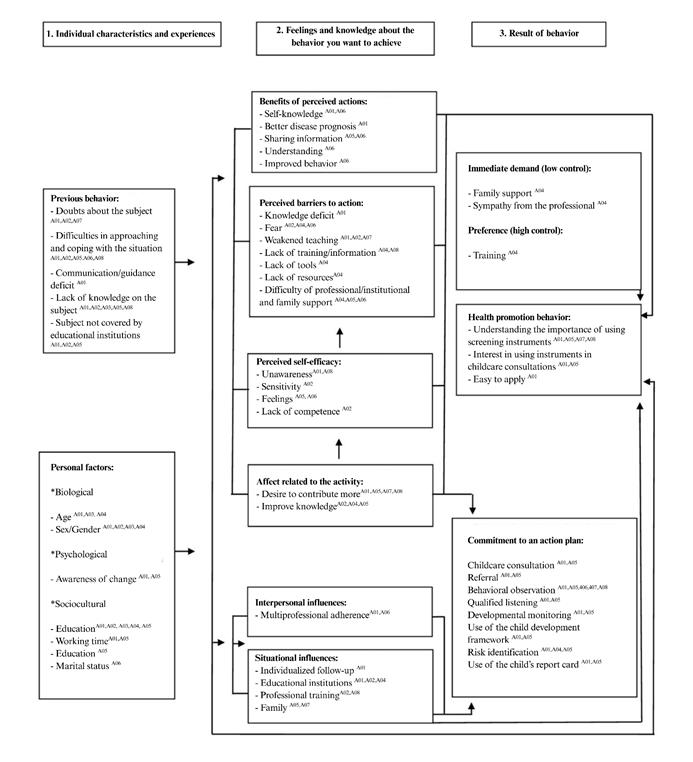
Objective: To analyze the scientific evidence related to nursing care offered to children with Autism Spectrum Disorder in primary health care, considering the approach proposed by Nola Pender’s Health Promotion Model
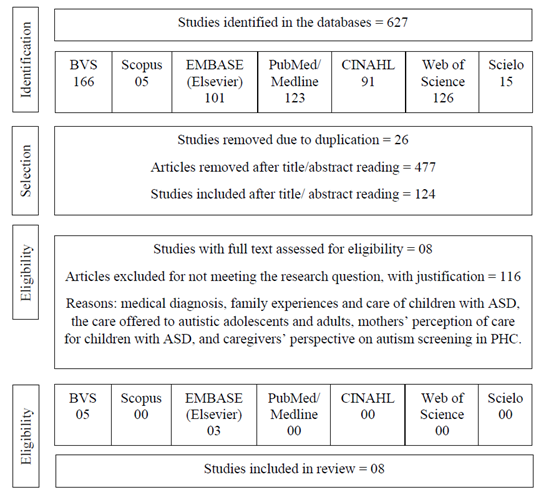
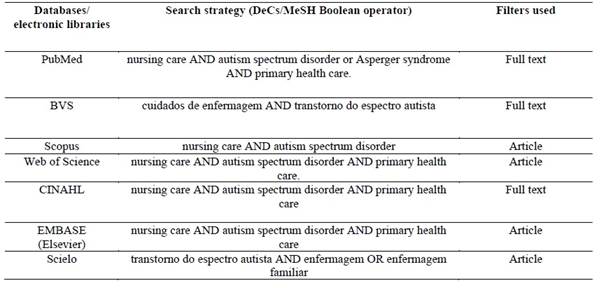
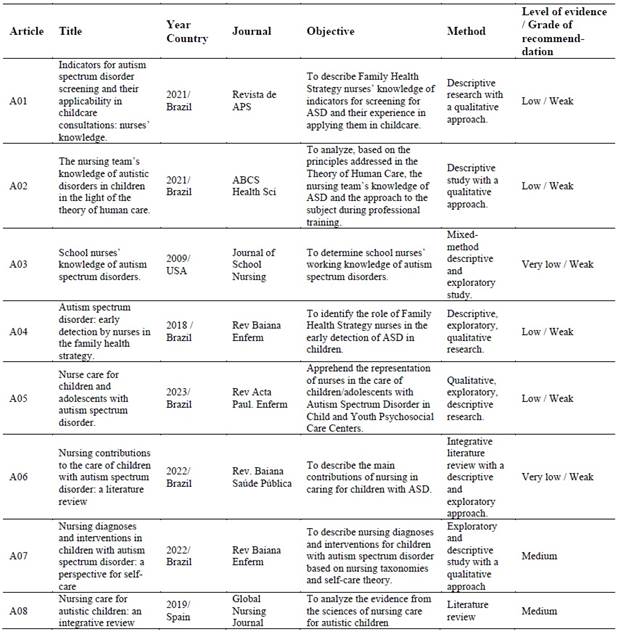
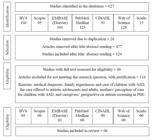
Methodology: This is an integrative review study, searches were carried out in the following databases: PubMed, Scopus, CINAHL, EMBASE, Scielo, Web of Science and Virtual Health Library. A total of 910 articles were identified, of which 6 were selected for the final sample. Of the articles analyzed, 2 were located in the VHL, 1 in CINAHL, 1 in the Web of Science and 2 in Scielo. Most of the studies had a qualitative and descriptive methodological design
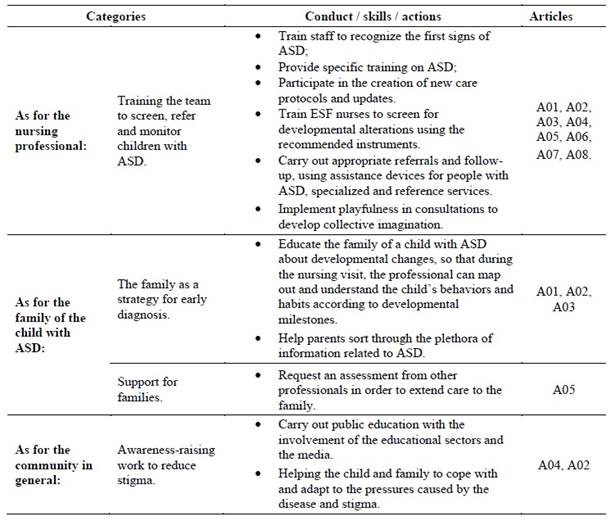
Results: Regarding the synthesis of the conducts, the predominance of themes such as: Training of the nursing team; The family as a strategy for early diagnosis and Awareness about stigma was observed. The findings point to the importance of the nurse’s role in the early screening of Autism Spectrum Disorder in childcare consultations in PHC.
Conclusion: Nola Pender’s approach resonates significantly in the context of care for children with Autism Spectrum Disorder in primary care
Keywords:
autism spectrum disorder; nursing care; primary health care; child health; nursing theory; health promotion
 Thumbnail
 Thumbnail