Realistic Simulation in the Primary Assessment of Pre-Hospital Trauma: Satisfaction and Self-Confidence in the Learning of Nursing Technicians and Ambulance Drivers
Objective: To evaluate the experience of realistic simulation in the prehospital setting using the Student Satisfaction and Self-Confidence in Learning Scale (SCLS)
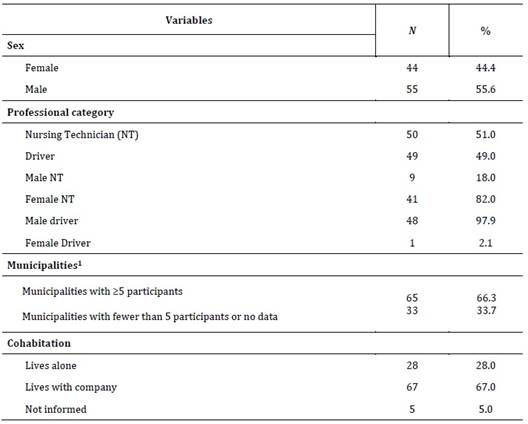
Method: Descriptive, cross-sectional, quantitative study involving 98 prehospital care professionals, nursing technicians, and ambulance drivers at hub B of a regulatory complex in northern Paraná state. The method included briefing, theoretical-practical class, scenario and case simulations, followed by debriefing. Participants completed the SCLS to assess the feelings developed during teaching through realistic simulation
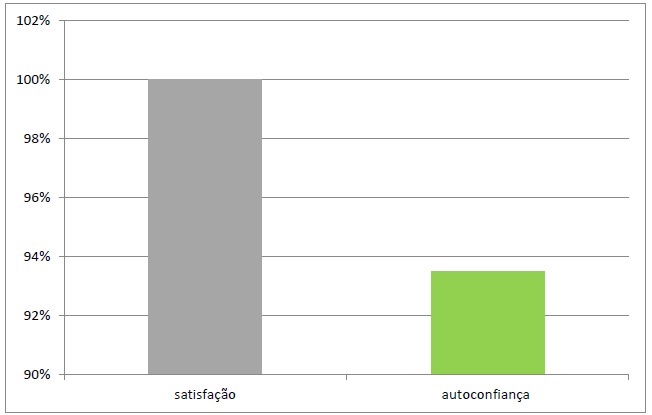
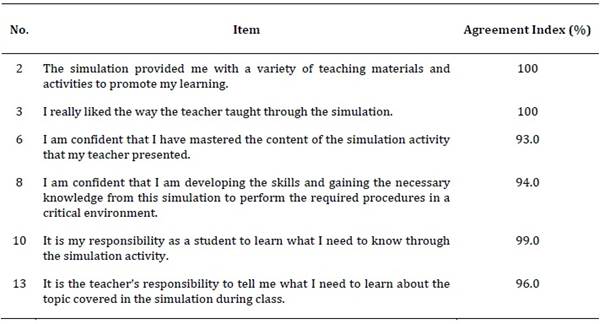
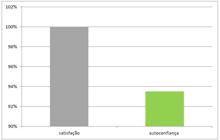
Result: In the overall assessment, the agreement index ranged from 93% to 100% for all questions. In terms of satisfaction, 100% considered that the simulation provided various teaching materials and activities to promote learning (item 2) and liked the way the teacher taught through it (item 3). In terms of self-confidence in learning, 94% agreed that they are developing skills through simulation (item 8)
Conclusion: The realistic simulation generated satisfaction among professionals with the teaching method, while they recognized their shared responsibility in the learning process
Keywords:
job satisfaction; simulation training; nursing professionals; pre-hospital care; emergency medical services
 Thumbnail