Health Demands of Transsexual People in a Specialized Outpatient Clinic in Brazil
Abstract:
Introduction: Transsexuality involves gender identities and expressions different from the sex assigned at birth. Although there are policies, such as the National LGBT Comprehensive Health Policy and the Transexualizing Process, there are gaps in access to health services.
Objective: to analyze the health demands of transsexual people in a specialized outpatient clinic in Brazil.
Method: Exploratory and descriptive study, with a qualitative approach, approved by the Research Ethics Committee under opinion number 7.401.178. It was carried out in an outpatient clinic specialized in transsexuality, with transsexual participants over 18 years of age, with cognitive and linguistic capacity for interviewing and who have been seen at least once in an appointment with a health professional. Data collection occurred through semi-structured interviews, with profile and open questions on the theme, being analyzed by descriptive statistics and thematic content analysis technique.
Results: The profile of the 11 participants revealed the majority of transsexual men, (6) with an average age of 30 years, self-declared brown (8), heterosexual (6) and single. (11) The predominant level of education was secondary education (5) and income ranging from one to three minimum wages. (9) The demands include the absence of a trained multidisciplinary team, psychosocial support, continuity in specialized care, clinical and laboratory tests, access to hormone therapy and free cosmetic surgeries, and participation in support networks.
Conclusion: The transsexual population faces transphobia, lack of professional qualification, and difficulties in accessing services, which increases their social vulnerability and health risks.
Keywords:
needs assessment; transgender persons; holistic health
Resumo:
Introdução: A transexualidade envolve identidades e expressões de gênero diferentes do sexo designado ao nascer. Embora existam políticas, como a Política Nacional de Saúde Integral LGBT e o Processo Transexualizador, há lacunas no acesso aos serviços de saúde.
Objetivo: analisar as demandas de saúde de pessoas transexuais em um ambulatório especializado no Brasil.
Metodologia: Estudo exploratório e descritivo, com abordagem qualitativa, aprovado pelo Comitê de Ética em Pesquisa sob nº de parecer 7.401.178. Realizado em ambulatório especializado em transexualidade, com participantes pessoas transexuais maiores de 18 anos, com capacidade cognitiva e linguística para entrevista e que tenham sido atendidas(os) ao menos em uma consulta com profissional de saúde. A coleta de dados ocorreu por meio de entrevista semiestruturada, com perfil e questões abertas sobre o tema, sendo analisados pela estatística descritiva e técnica de análise de conteúdo temática.
Resultados: O perfil dos 11 participantes revelou maioria de homens transexuais, (6) média de 30 anos, autodeclarados pardos (8), heterossexuais (6) e solteiros. (11) A escolaridade predominante foi média (5) e renda entre um e três salários-mínimos. (9) As demandas incluem ausência de equipe multidisciplinar capacitada, suporte psicossocial, continuidade no cuidado especializado, exames clínicos e laboratoriais, acesso a hormonioterapia e cirurgias estéticas gratuitas e participação em redes de apoio .
Conclusão: A população transexual enfrenta transfobia, falta de qualificação profissional e dificuldades no acesso a serviços, o que aumenta sua vulnerabilidade social e riscos à saúde .
Palavras-chave:
avaliação das necessidades; pessoas transgênero; saúde holística
Resumen:
Introducción: La transexualidad implica identidades y expresiones de género diferentes al sexo asignado al nacer. Si bien existen políticas, como la Política Nacional de Salud Integral LGBT y el Proceso de Transexualización, hay brechas en el acceso a los servicios de salud.
Objetivo: Analizar las demandas de salud de las personas transexuales en un ambulatorio especializado en Brasil.
Metodología: Estudio exploratorio y descriptivo, con enfoque cualitativo, aprobado por el Comité de Ética en Investigación bajo el dictamen número 7.401.178. Se llevó a cabo en un ambulatorio especializado en transexualidad, con participantes transexuales mayores de 18 años, con capacidad cognitiva y lingüística para la entrevista y que han sido atendidos al menos una vez en una cita con un profesional de la salud. La recolección de datos se realizó mediante entrevistas semiestructuradas, con perfil y preguntas abiertas sobre el tema, y fueron analizados por medio de estadística descriptiva y técnica de análisis de contenido temático.
Resultados: El perfil de los 11 participantes reveló que la mayoría de hombres transexuales, (6) de edad promedio 30 años, se declararon morenos, (8) heterosexuales (6) y solteros. (11) El nivel de escolaridad predominante fue medio (5) y el ingreso entre uno y tres salarios mínimos. (9) Las demandas incluyen la ausencia de un equipo multidisciplinario capacitado, apoyo psicosocial, continuidad en la atención especializada, exámenes clínicos y de laboratorio, acceso a terapia hormonal y cirugías estéticas gratuitas, y la participación en redes de apoyo.
Conclusión: La población transexual se enfrenta a la transfobia, la falta de cualificación profesional y las dificultades para acceder a los servicios, lo que aumenta su vulnerabilidad social y los riesgos para su salud.
Palabras clave:
evaluación de necesidades; personas transgénero; salud holística
Introduction
Transsexuality refers to the identity and gender expression of people whose identity does not coincide with the sex designated at birth. This means that individuals can identify themselves as male or female, regardless of the sex with which they were born. Although many transsexuals may feel the need to make body changes to align their appearance with their gender identity, this need is not universal. 1)
Globally, it is estimated that there are approximately 25 million transgender people and other gender minorities. 2 In the United States, it is estimated that at least 1.4 million adults identify themselves as transgender, an umbrella term that covers a diversity of gender identities, such as transsexuality, drag queens, drag kings, among others. 3,4 In Brazil, a survey conducted by an Institution of Higher Education estimated that there are approximately one million transsexuals. 5
However, the absence of specific data on the transgender population in demographic censuses compromises a broader and more accurate understanding of their profile in relation to the general population. The underreporting of gender identity in official records generates limited information at the national, state and municipal levels. This scarcity is not restricted to quantification, but also undermines knowledge about fundamental aspects of this population, such as geographical distribution, housing conditions, schooling, income and health-related experiences. 6
In this scenario, the health of the transsexual population has historically been marked by numerous challenges, reflecting the marginalization faced by this group, including within the Unified Health System (UHS). Although the UHS is guided by the principles of universality and equity, these ideals are often not fully realized for all social segments, including transgender people. 7
In the context of health care, these people present specificities that go beyond diagnosis and gender affirmation surgery, requiring comprehensive care. Thus, access to health services becomes multidimensional, encompassing political, economic, social, organizational, technical and symbolic aspects. 8
In the political sphere, the National LGBT Comprehensive Health Policy (PNSI-LGBT) was implemented in 2011, which established guidelines for structuring services and training health professionals, aiming to meet the specificities of the transsexual population. The creation of the Transsexualizing Process (PrTr), in 2008, focused on the proposal of assistance activities for the execution of body techniques and psychosocial assistance during gender transition. 9,10,11
However, psychosocial phenomena such as prejudice and discrimination result in barriers to access to health services by this population, whose particularities are not respected, which leads to the perpetuation of stigma, to the increased vulnerability and compromise of the quality of service offered. 12 Added to this, many transsexuals do not have a support network, which often leads them to seek information about the use of medications with friends, colleagues and on the internet, rather than consult a health professional. 2 This aspect represents a risk factor for the development of cardiovascular diseases and other complications related to the chronicity of this process, making follow-up by the multidisciplinary team essential. 8
This search for alternatives, resulting not only from institutional prejudice, but also from the discomfort in discussing issues related to transsexual health with these professionals, many of whom are loaded with heteronormative assumptions, imposes on this public the need for self-defense in the face of fear of rejection in access to care. 13 Therefore, the transition, whether hormonal or surgical, represents only one of several health demands of transsexual people, who seek reception and care without discrimination, in addition to comprehensive care. 8 Which covers the search for access to health rights, ranging from disease prevention and screening to treatment and rehabilitation, requesting a service that evaluates the general situation of physical well-being and refer to specialties when necessary. 1,14
In this sense, the importance of a multidisciplinary team is highlighted, because the lack of reception and qualified care, added to social stigma, marginalization and pathologization of transsexuality, causes significant impacts on mental health, increasing the chances of depression, anxiety and suicidal thoughts. Therefore, mental health and therapy become pillars in care. 15 Given this scenario, it is essential to highlight the lack of preparation of health professionals in both public and private networks. Although the UHS has few specialized centers, it is more structured to meet the health demands of this population than the private sector. This context is aggravated by the lack of experience and limited knowledge of professionals who work directly with this group. 16 In this context, the need for health refers to conditions that are identified through the evaluation of individuals that signals which elements should be aimed at certifying the well-being of the population. The demand for health concerns a social and objective construction, in which it is verbalized by people from their experiences and life context, many of which are shaped by personal, social and institutional obstacles. 17
In this study, health demands are understood as a relational event, produced from the interaction between users and health services, mediated by the bond, acceptance and responsibility assumed by professionals working in care. Therefore, this concept becomes relevant for the care of the transsexual population, since their needs are not always recognized. 18 This research is justified by the importance in treating the health demands of transsexuals. Historically, this group has faced several challenges in accessing health services from low offer to disrespectful and prejudiced situations. Despite the various advances promoted by the UHS, through policies and processes implemented, it remains a scenario of marginalization and social stigmatization. This reality results in low adherence to the service and harmful practices, such as self-medication.
In light of the facts presented, care should go beyond the transition process, understanding the physical and mental specificities of this population. Thus, the following guiding question arose: What are the health demands of transsexuals in a Brazilian specialized outpatient clinic?
Given the elements addressed, the general objective defined was: to analyze the health demands of transsexuals in a specialized outpatient clinic in Brazil.
In view of the above, the social and scientific relevance of this study lies in the need to broaden the understanding of the health demands of the transsexual population, since by characterizing the socioeconomic and cultural profile of this population in a specialized outpatient clinic, the research will help in understanding their health particularities, which go beyond the hormonal and surgical transition, and in coping with institutional barriers. The study will provide important data for the construction of more inclusive and appropriate strategies of care, aiming to reduce harmful practices and consolidate multidisciplinary action in the health care of transsexual people. Therefore, it seeks to promote respectful care, improve physical and mental well-being, strengthen the exercise of their citizenship and rights, and contribute to equity in access to health services for this population.
Method
This is a descriptive and exploratory study, with a qualitative approach, which allows the understanding of complex social phenomena through opinions, conceptions and meanings attributed by participants involved. Under this perspective, in the Gender Theory, these participants become active subjects in the construction of knowledge, especially when analyzing the social dichotomies and problematizing the hegemonies that support the construction of the concept of gender and their identities. 19,20 Therefore, the choice for this theoretical reference is essential to deal with the object of study in question by the fact that the subject can recognize and claim the gender that corresponds to their experience, destabilizing the norms imposed by the cisheteronormative logic and introducing new perspectives of identity and demands that break with established performative standards. 20
The study was conducted in an outpatient clinic specialized in the care of transsexual people, located in Brazil, which contains a minimum team of care, composed of a nurse, an endocrinologist and a gynecologist. The flow of care in the unit follows the following order: initially, transsexuals go through the nursing consultation, where the anamnesis and physical examination are performed, recording the evolution in the electronic chart. During this consultation, examinations according to the protocol of the unit are also requested, among these, ultrasonography of the breasts, gluteal region and total abdomen, laboratory tests, such as complete blood count, total cholesterol and fractions, fasting glucose, dosages of sex hormones and liver enzymes, glycated hemoglobin, and serological tests for syphilis, Human immunodeficiency virus (HIV) 1 and 2, hepatitis A, B, C, and human T-cell lymphotropic virus (HTLV) I/II. After the result of the collection of tests, these users are referred for consultations with the endocrinologist for a detailed evaluation.
The participants of the study were transsexual people, according to the inclusion criteria: over 18 years old, with at least one consultation with a health professional until the collection period of the research data, who had cognitive and linguistic capacity for the interview, ensuring the validity of collected responses. The exclusion criterion was: they presented mental disorders that prevent their full civil capacity and that may compromise their ability to respond to the research instrument; and who are registered, but did not perform any consultation in the selected service.
Data collection was carried out in person, from January to March 2025. A semi-structured interview script was applied that included questions regarding the socioeconomic and cultural profile of the participants, covering aspects such as sexual orientation, marital status, schooling, color/ethnicity, current income and profession/occupation, as well as open questions aimed at the exploration of their experiences, experiences and demands in health. The interviews addressed issues such as gender identity, transition and access to treatment by SUS, including hormonal therapy and surgeries, support network, physical health demands, psychological and relational, beyond the perception about the behavior of health professionals and possible episodes of transphobia. We also discussed the presence and relevance of psychosocial resources, such as support groups and therapeutic accompaniment. The interviews lasted an average of 45 minutes.
The first contact was made through a formal presentation of the research project to the coordinator of the specialized outpatient clinic for transgender patients. Only after the final approval of the Ethics and Research Committee (CEP) of the State University of Santa Cruz (UESC), was requested to the professional referred above, the list of transsexual people who are in follow-up in the specialized service. In possession of this list, individual contact was made with each participant to schedule a face-to-face meeting for the presentation of the research. If they agreed to participate, the Free and Informed Consent Form (ICF) was delivered in person by the researcher to the participant. The ICF was read and signed by the participant in the presence of the researcher at the time of delivery, if desired or was taken with the participant for detailed reading and reflection on their participation or not. When the participant had a feedback on the decision to participate or not, could send a message by WhatsApp, e-mail or call to the researcher, at which point she scheduled an in-person meeting to receive the ICF signed by participant in the cases of accept and deliver the second way duly signed by the researcher and carry out the semi-structured interview, which took place in the specialized outpatient clinic, in the residence of the participant or in another location of their choice.
The open questions of the semi-structured interview script were analyzed by the thematic content technique proposed by Bardin, built in three phases: the pre-analysis, defined as the organizational phase, which includes the preparation of the research material and definition of the analysis criteria. At this stage, the interview script was prepared and the questions to be applied were selected. The exploration of the material, step of systematic coding of data, with manual transcription of interviews and thematic categorization from significant excerpts of the speeches, especially related to identified health demands. Finally, the treatment of the results, with the definition and analysis of thematic categories, anchored by the foundations of the Gender Theory, such as: gender as social construction and plurality of gender identities and expressions, breaking with the heteronormative matrix that defines the parameters of what is socially accepted as legitimate and impacting the dynamics reported in health services, which contributed to the deepening and understanding of the investigated phenomenon. 20,21 It should also be noted that the socioeconomic and cultural profile of transsexual people was processed by descriptive statistics.
The research was submitted to the Research Ethics Committee (REC) of the State University of Santa Cruz (UESC), having obtained approval under opinion number 7.401.178, based on Resolutions n. 466/2012 and 510/2016, and Law no 14.874. 22,23,24 The participant was guaranteed anonymity, being identified only by a letter T followed by cardinal numbering.
Results
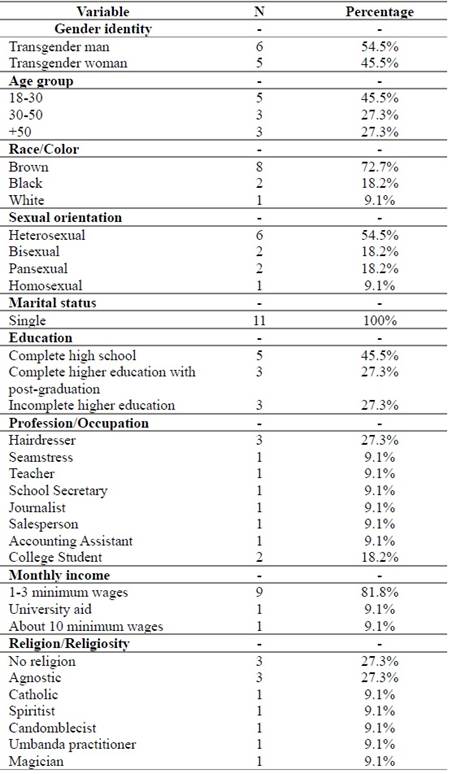
Table 1 shows the data regarding the socioeconomic and cultural profile of the participants.
Socioeconomic and cultural profile of transgender people in a specialized outpatient clinic in Brazil (n = 11), 2025
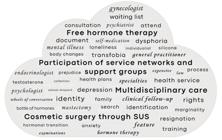
The profile reveals the plurality of living conditions and signals for multiple vulnerabilities, in addition to the sixteen demands pointed out in the speeches, as detailed in the following four categories, initially represented by Figure 1.
Multidisciplinary care
There is a need for a comprehensive multidisciplinary care aimed at this population, which goes beyond gynecological care for transsexual men and urological care for transsexual women. The fragility in the continuity of follow-up is reflected in the statements below:
The main needs would be the monitoring we don't have here. If we could have this support, not just from an endocrinologist, but also from a psychologist and even a urologist, it would make our lives much easier (T3). We have this need for clinical care and this issue of monitoring our bodies' response to hormone use. I think that truly operating outpatient clinics within the SUS network, with this multidisciplinary care, is of fundamental importance to our survival (T4). Everything. We need endocrinologists, psychologists, general practitioners-we need all the healthcare providers (T9).
Moreover, the absence of a qualified multidisciplinary team and discontinuity in care are also reported difficulties in finding health professionals who serve specifically the transsexual population in the UHS. The shortage of specialized professionals in the public health system, which creates barriers to access, is evidenced in the following reports:
Besides, we can't find specialties through the UHS. We can't find an endocrinologist through the SUS, we can't even access basic healthcare (T3). Finding an endocrinologist who specializes in hormone therapy for trans people is very difficult. I've had a negative endocrinologist test before going to the outpatient clinic, and he said he wasn't familiar with the literature and wouldn't prescribe it (T4). I went to see my general practitioner, and he looked at me like, 'I don't know what I should prescribe,' and he went on to research what tests he should prescribe. I just stared in disbelief. He had no idea how to treat a trans person (T10). We suffer a lot from this situation, from doctors not wanting to deal with us, saying they're not qualified for it, when the training exists and they have to be qualified, period (T9).
Added to this fact, many health professionals have disrespectful behaviors, ranging from not using the social name to more serious cases of transphobia. Such behaviors are mentioned in the following reports:
Including someone trying to hold back a laugh while I'm talking, and questions like, 'What do you have between your legs?' 'What do you come when you're with someone?' (T1). They don't even respect your corrected document. They take your corrected document, look at you, see your characteristics, understand that you're a trans person. In my case, my voice gives me away a lot because my voice is quite deep, and then they see your name in the feminine, but they address you in the feminine, but they correct it, and then it's like they're forcing you to be treated according to what's there (T4). I've experienced transphobia in medical care. When I went for a mastectomy, I went to some doctors who accepted insurance, and one doctor cited medicine from the 1960s-can you believe it? Saying that, for her, a man is someone with a penis and a woman is someone with a vagina. We pay for the appointment, hear insults and that they won't see us. And my population saves up hard-earned money, I don't know how many months, and the appointment costs 300-400 BRL, only to arrive on time and have the doctor say they won't see us, making several statements. Imagine paying a lot of money only to be told you won't see us, or hear outright transphobic things (T8). I once saw a psychologist in São Paulo, at a center for LGBT people, and she walked past me and said, 'Are you sure you are?' I never went back there, and here there's no option either (T10).
It is observed that, given the high degree of social and economic vulnerability experienced by the transsexual population - and the consequences resulting from these conditions - there is a significant demand for psychological assistance, as demonstrated by the following speeches:
Mental illness is a problem that affects practically every trans person. We see people trying to take away our rights every day, so there's no way for people to go through this process peacefully (T3). Today, I suffer from the aftereffects of this entire process, of hiding my identity, of not identifying with my body. We lack this psychological support because we need to be heard, to be understood. We have dysphoria, things about our bodies that we don't identify with and don't like (T4). One of our demands is that we need a psychologist who specializes in us. Initially, we need a psychologist and psychiatrist in the network to care for us, because most trans people already have a history of anxiety and depression since childhood. It's very important that we have psychological support because no one can begin a hormonal transition without being absolutely certain and knowing everything that will be involved. You have to be sure of what you're starting to do (T9).
Likewise, the participants reveal the existence of barriers in access to psychological assistance, both by the lack of psychologists specialized in attending the transsexual population in the public health network, and by the delay in the beginning of follow-up, which leads many to resort to the service in the private network, as evidenced below:
I'm doing it privately. If I were to wait through the SUS, it would be an appointment every two or three months (T1). Not free, I see a psychologist through my insurance plan (T5). I've been undergoing psychiatric and psychological care for about three years now. I'm focusing on that now so I can think about going back on hormones later. I'm seeing a private doctor (T7). I started my transition with health insurance, which made my life easier (T8). Ultimately, when you pay, it ends up being much better than being on a waiting list (T10).
The participants also reported the need for comprehensive health care, which includes clinical and laboratory tests, especially due to the use of hormones and the discomfort often associated with these procedures. This panorama reinforces the importance of the work of qualified professionals to welcome and adequately serve this population:
Gynecological exams, hormonal exams, and hormone replacement therapy are mandatory. The Pap smear is uncomfortable (T1). I need a transvaginal exam, which is theoretically the exam for cis women. Will I get there and be denied? How will I continue with my treatments and issues? I use testosterone, it's ongoing. So I regularly need to do blood tests, contact my endocrinologist, and my gynecologist, even though it's complicated. I need access to healthcare; I need someone to tell me my exam was good and that I could take testosterone (T8). When you're on hormone therapy, you go through a lot of bodily changes, so you have to always keep an eye on the exams and keep getting new ones (T7).
Self-medication
The use of hormones in the process of gender transition, although optional, is quite common, which shows a health demand of this population. At this juncture, regular clinical follow-up is necessary to monitor hormonal levels. However, a large portion of the transsexual population uses self-medication, due to barriers in access to specialized health services, this fact is aggravated by the difficulty in obtaining hormones by the UHS, and its high value in the current market, that ends up making the transition process impossible for many transsexual people, facts perceived in the following lines:
Most people start on their own, buying hormones in a bottle because they can't access public healthcare (T9). Most of us self-medicate. There are people who are very sick because they take too many hormones, or the wrong medication. So this network of care and support is extremely important. We need it, and it's so scarce (T4). I spent a good part of my transition self-medicating, and now I've gone back because I'm going to see an endocrinologist in who knows how long. The issue of hormone therapy-it's legal for us to have it, but we don't have it. Governments come and go, and hormones keep increasing. At the beginning of my transition, in 2020, the hormone I was buying was 50 BRL for 3 vials. Today, if you look, it's at least 300 BRL. The endocrinologist also charges that price, and the hormone I'm taking every three months is also that price. By law, the SUS provides it, but how can that be? (T1). There’s also the issue of hormones. In the past, they weren’t as expensive as they are today. A few years ago, I saw a lot of videos of trans people and how they took hormones and what their daily lives were like (T7).
Participation in service networks and support groups
The transsexual population experiences multiple vulnerabilities related to social, psychological and economic factors, which makes essential the existence of networks of support and psychosocial support. The relevance of these reception structures is evidenced in the following speech:
People who don't have this network end up falling into marginalization. Not that they'll become criminals, but they lack the opportunity for affection, support, health services, education... There are a lot of school dropouts, and we see that it's due to the lack of a support network, of parents, friends, and boyfriends/girlfriends. Many trans people report this issue of loneliness (T8).
However, the participants indicate that available networks of support and psychosocial support are scarce or non-existent. This absence is often related to the prejudice rooted in family nuclei, as well as to the manifestations of discrimination that sometimes also occur within the transgender community itself.
I come from a very individualistic family, it's everyone's business. My support network is my friends (T9). When you talk to many trans people, you realize that many aren't connected to their families, largely due to prejudice (T10). Even within the trans community, there's a bit of a war. There are trans men who don't undergo surgery or don't take hormones, so for some, they're seen as less of a man. It's that pressure that you're only a man if you take hormones, even though hormones and surgeries are adaptations (T1). Even for us to have this space to share our experiences, we can't bring people together, because it's very disunited, making that connection very difficult (T3). Talks or even discussion groups, there are discussion groups just for trans women and just for trans men (T8).
Difficulty accessing cosmetic surgery through the UHS
Another demand mentioned refers to the precariousness of access to aesthetic surgeries offered by the UHS. The long queues and high costs of these procedures in the private network make this resource inaccessible to a large part of the transsexual population. This reality is evidenced in the statements below:
What I know, and what's been reported, is that you can indeed request some surgeries through the UHS (Brazilian Unified Health System), but in our case, with mastectomies, the wait time is eight years. So many trans men end up opting for insurance or crowdfunding, or pooling their money and finding a way to get the surgeries. For now, it's not something I can do because the UHS waiting list is very long, and getting them outside of the system is very difficult and very expensive (T9). If I could go on insurance, I would, probably for the surgeries that health insurance is now required to cover, because now it's not just cosmetic surgery, it's reconstructive surgeries, so I would have insurance just for the surgeries themselves. I want to have a breast implant and silicone implants, but I haven't because money is tight and it's very expensive (T3).
Discussion
For many years, transsexuality was considered a disease when it was included in the International Classification of Diseases (ICD). This change occurred in 2018, when it was removed from the list of mental disorders and classified as gender incongruence, marking a significant step towards depathologization. 25
In the state of Bahia, the Technical Area of Health of Lesbians, Gays, Bisexuals, Transvestites and Transsexuals (ATS-LGBT) was established through the State Ordinance n. 919/2014, which aims to develop strategies and action plans to implement LGBT-ISNP at the state level. Its actions include the formation of opinions and technical standards to guarantee the right to health. It also provides support to the municipalities in the Regional Health Centers (RHC), in order to ensure that this population has access to different levels of care. 26
In this trajectory of achievements, the results of the present work indicate that, despite recent advances in the field of transsexual health, such as the institution of PrTr, through the Ordinances n. 1,707/2008 and n. 2,803/2013, which expanded the care for transvestites and trans men, and the creation of the PNSI-LGBT, instituted by Ordinance n. 2.836/2011, the demands of this population transcend the biomedical procedures, such as hormonization and sex reassignment surgery. These demands require broader and more integrated approaches. 9,10,27,28 Considering this aspect, the transsexual population is targeted in several countries of discrimination, compromising their access to basic rights. As an example, we have Russia, a country that has created legislation prohibiting discussions about gender-related issues in public settings called the Gender Identity Law. In Ukraine, the same legislation prevents gender change in official documents and prohibits gender reassignment surgeries for children under 18. 29
Given this reality, there is a strong presence of prejudice against the transsexual population, whose consequences also manifest themselves in the health sphere. In a study conducted in Africa, negative experiences and fear of discrimination lead many to avoid the search for essential services. 30 In the United States of America (USA), research indicates that having a non-cisgenic gender identity may be associated with low adherence to gynecological and urological examinations, such as oncotic cytology. 31 These findings, although coming from different contexts, show a common pattern of exclusion in health services. In the present study, this reality is also present, reinforcing the need for the creation of humanized care protocols, especially in gynecological procedures, aiming to guarantee respect for gender identity and qualified listening.
Thus, the health service must be respectful, allowing the transsexual person to feel free to share their demands. This approach makes it possible for the multiprofessional team, especially the nurse, to carry out the appropriate conduct and guidance throughout the care. Therefore, highlighting the importance of knowledge about the provision of specific care for this population. 32
Another important point is the difficulty of understanding routine issues by this population, such as the use of condoms and contraceptives especially in cases of HIV seropositivity, focusing on the importance of the medications used in their treatment and the consequences in cases of its interruption. The deficiency in this information reinforces the essentiality of health education about sexually transmitted infections (STIs), as well as routine examinations and consultations. 33
Based on this understanding, the role of the multidisciplinary team in providing adequate guidance is fundamental, preventing cases such as reinfection by different strains of HIV and drug resistance. It is important to emphasize that health professionals should avoid associating, generally, the transsexual population with the contamination networks, recognizing their socioeconomic context and acting on the basis of technical-scientific rigor. These aspects reinforce the need for continuous qualification of the entire team. 33 Therefore, a qualified care not only contributes to the improvement of quality of life, but also favors the adherence of transsexual people to other health services. 32
It is important to highlight that there is a cis-heteronormative tendency in professional practices, which leads to the conduct of care without due knowledge of the specificities and demands of this population. 34 This biased behavior reflects a lack of knowledge and training, aggravated by the lack of contact with this public during training, as to the demands of transgenderity. This contributes to the perpetuation of institutional transphobia. This scenario is confirmed by the results of the present study, which show the urgent need for on-site training of the services in order to qualify the teams for a competent and humanized service. 35
In light of these institutional barriers, actions such as the use of the social name have become essential to ensure access and respect for transgender identity. On August 13, 2009, the SUS Users' Rights Charter was instituted by means of Ordinance n. 1820, making mandatory the field for filling in the social name in the identification documents of the users. Subsequently, this right was strengthened by the Ordinance n. 2.803 of 19 November 2013, which regulated its use. It should be added that, in 2018, the Federal Supreme Court (STF) ensured name and gender change in the civil registry without the need for surgery. 10,25,35,36 Given this scenario, a study carried out indicated that even after the change made by the STF, there is still a scenario of discrimination with regard to treatment, and as a result, non-compliance with the laws in force. Were analyzed 111 agreements of the Court of Justice of São Paulo (TJSP), in which it was found that 42% of transsexual people obtained favorable decisions, while the success rate among cisgender people was 52%, which reveals a favor to the cisgender population, given that the number of applicants for transsexuals is higher. 37,38
In addition, the legal argument used demonstrates a pathological view, such as the denial of this right under the justification of the difficulty of society to understand transsexuality, along with the imposition of reproductive capacity as a criterion for deferment and the fact that the name requested is applicable to both sexes. Therefore, even before the legal provision for the use of the social name, there is evidence of reports on non-compliance with this right. 37,38
Still from this perspective, the Decree n. 122/2021 of the National Council of Justice (CNJ), regulated the possibility of registering the term "ignored" in the field "sex", marriage and death certificates. However, not all notaries offices comply with this determination, hampering transsexual people’s access to health services. The lack of adequacy in the records can prevent specialized care according to the gender of birth, causing losses of the right gynecological consultations, due to outdated systems, which block access to this specialty. The same is true for transsexual women, who face barriers to urological care. 26,39,40 Along with this, research indicates that disregarding the use of the social name, the name rectified in documents and the incorrect use of the pronoun, favors the withdrawal of the transsexual population from health services. The difference between physical appearance and registered name can cause discomfort and distress. Therefore, its proper use promotes respect and recognition. 41
In addition to this discussion, the Resolution no 01/2018 of the Federal Council of Psychology guides professionals to adopt an ethical and depathologized practice to combat transphobia. Since 1997, psychology has been part of the team at PrTr, which includes the regulation of transgenitalization surgeries through Resolution n. 1.482. However, an example of the psychosocial performance in this process is the compulsory psychotherapy for two years, which is often carried out in a normative way, without taking advantage of this time for a more respectful approach. 42,43,44 In this panorama, it becomes evident the importance of psychology in this process, because creating an environment that favors the mental health of transsexual people is a continuous challenge. For this, it is essential that psychology professionals acquire a deep knowledge of the specificities of this population, in order to support them in coping with the difficulties faced by those who live as transsexual.45,46
In this situation, family support is essential to meet the psychosocial demands of transsexuals. Contact with support groups also strengthens resilience, but they still face barriers as many collectives, to protect themselves from harassment, discrimination and violence, opt for invisibility. 47 It should also be noted that exclusion, family abandonment and the denial of affective ties intensify mental suffering, increasing the risk of suicide in this population. 34 At the same time, hormone treatment is often hampered by the lack of specialized support and inadequate preparation of health professionals. This leads many transsexuals to resort to self-medication, exposing them to risks such as the use of industrial silicone or hormones without medical advice. 36
Given this reality, the indiscriminate use of hormones can lead to liver disorders, while the application of industrial silicones has potential for infections and thrombosis in the lower limbs, which reinforces the importance of a multidisciplinary team in follow-up and necessary adjustments in treatment. 33
Corroborating these findings, a high proportion of transsexuals in Colombia undergo medical transition without prescription or specialized supervision. In Thailand, hormonal self-medication is widely recognized as a common practice. 48,49
Furthermore, studies conducted in Kenya, South Africa and Uganda have identified financial barriers that compromise access to health, such as the difficulty of accessing services and adhering to high-cost medication not always available through SUS due to economic constraints. These surveys highlight the urgent need to formulate public policies that expand access to treatments linked to PrTr, ensuring equity in the care and effective rights of this population. 50,51 With regard to hormone dispensing, the high concentration of PrTr services in urban areas creates a barrier to access to the population residing in rural areas, due to the difficulty of accessing these rights caused by distance and the cost of transportation, entering, thus, conflicting with the principles of public health, such as universality and equity. This difficulty involves not only the time for the start of follow-up in specialized outpatient clinics, but also for the completion of surgery. 52
Thus, considering these factors, private health services appear as an option for some transsexuals. In a survey conducted in Africa, where the preference for private clinics was based on the expectation of more respectful care motivated by the logic of profit, inadequate care is found, especially in sexual and reproductive health services. 30
In this regard, it is essential that transsexual people receive clear information about the possible loss of fertility as a result of hormonal treatment and surgical procedures, reinforcing the importance of sharing robust scientific evidence in health care. In addition, it is essential that the reproductive rights of transsexuals -including the right to bear children and form a family- are recognized and respected. 46
In addition to hormonal therapy, aesthetic surgeries integrate PrTr, respecting the autonomy of transsexual people in choosing procedures such as implantation of breast prostheses, mastectomy and hysterectomy. 36 Initially, the CFM Resolution n. 2.265/2019 established the minimum age of 17 years for hormonal therapy and 18 years for surgical procedures, conditioned to a multiprofessional follow-up of at least one year. However, with the repeal of this norm by CFM resolution no 2.427/2025, it was foreseen a minimum age of 18 years for hormonal therapy and 21 years for surgeries involving potential sterilizing effect. (53, 54) In Brazil, currently only five university hospitals offer gender-affirming surgeries by the UHS. 55 Added to the long wait, the difficulty of access is aggravated by the concentration of services in a few states, since PrTr has not yet been expanded to the entire national territory. This limitation results in regional inequality, with the majority of procedures concentrated in the South and Southeast regions. 36 Consequently, not only does it prolong the waiting time, but also reduces the number of people who can access specialized care, which reinforces the urgency of the expansion and decentralization of PrTr to ensure equity in health care in all regions of the country.
From this perspective, although treatments are available in private institutions, the high cost, financial constraints, fear of discrimination and rigid laws hinder access for the transsexual population. 30 As a consequence, they generate health problems and often underreported deaths due to clandestine procedures. 55 In low- and middle-income countries, access to cosmetic surgery is still a significant barrier. 56 In the USA, about 325,000 transsexuals live without access to procedures such as phalloplasty (penile reconstruction surgery for transsexual men), metoidioplasty (hormonal treatment performed with testosterone, aimed at increasing the clitoris in transsexual men) or vaginoplasty (surgery to reconstruct the vulvo-vaginal anatomy in transsexual women), reflecting a scenario similar to low-income countries. 57 These evidences align to the present study, which also points out economic and structural barriers as factors that limit access to affirmative procedures in Brazil.
There must be a careful risk assessment and the alignment of preferences of the transsexual with the surgical team are essential, as well as the provision of clear information about care and complications. Emotional support is crucial, as fears and social impacts can influence expectations and psychosocial satisfaction, highlighting the need for a humane and respectful approach to better clinical outcomes. 46
A study conducted in Brazil revealed that, after PrTr, transsexual women were satisfied with the results of surgery and remained sexually active. The results indicated that the reassignment surgery brought positive effects in areas such as mental health, sexuality and general life satisfaction. 58 Thus, by aligning gender identity with physical characteristics, this surgical intervention not only validates the authenticity of a person’s identity, but also contributes significantly to health promotion. 46
Conclusions
The findings of this research confirm that the health demands of transsexuals exceed medical procedures, such as hormonization and gender affirmation surgeries. These findings highlight the need to offer a care focused on all transsexual people, recognizing the importance of their experiences and welcoming them through an integral service.
This study showed that, despite advances in the political field, with the creation of PrTr and PNSI-LGBT, the real access of the transsexual population to health services still faces limitations due to structural barriers, institutional prejudice and cisheteronormative-related professional practices.
Therefore, it is possible to affirm that institutionalized transphobia, combined with the low qualification of health professionals, generates negative impacts in the care of this population. In addition, the precariousness of services, the delay in accessing specialized procedures and self-medication show serious failures in health services. Consequently, these problems hinder the access of the transsexual population to their basic rights and increase the degree of social vulnerability, exposing them to greater risks of physical and mental health.
Given this panorama, improvements are essential, such as the investment in the continuous training of multiprofessional teams, with the inclusion of specific content on gender diversity in graduation curricula and in-situ training of services. It is also necessary to expand and decentralize PrTr, ensuring access to specialized services in other regions of the country. It is also essential to ensure the stability of multidisciplinary teams in transsexual outpatient clinics, as well as to create more outpatient clinics in other regions. At the same time, public health policies must guarantee free and regular access to hormones, tests and surgeries in order to minimize self-medication practices and their associated risks. Finally, it is extremely important that health care be aligned with human rights perspectives, respecting the social name, gender identity and autonomy of transgender people in all stages of care. The implementation of concrete actions and ethical-professional commitment is essential to transform health services and adapt them to the demands of this public.
The limitations of this research concern the momentary change of care location from the reference outpatient clinic to another city during the data collection phase and the reduction in the staff of professionals of the multidisciplinary team, with the departure of the endocrinologist, which generated restrictions in the follow-up by the nurse. Even with these difficulties, the number of transsexuals did not reduce, making up almost 100% of the sample.
References
-
1. Vieira MS, Araújo RCG, Medeiros D. Hardships faced by the trans population in the access to health services: an integrative literature review. Res. Soc. Dev. 2022;11(12):e276111235019. Disponível em: https://rsdjournal.org/index.php/rsd/article/view/35019
» https://rsdjournal.org/index.php/rsd/article/view/35019 -
2. Kennedy CE, Yeh PT, Byrne J, Van der Mewre LLA, Ferguson L, Poteat T, Narasimhan M. Self-administration of gender-affirming hormones: a systematic review of effectiveness, cost, and values and preferences of end-users and health workers. Sex Reprod Health Matters. 2022;29(3):82-98. doi: 10.1080/26410397.2022.2045066
» 10.1080/26410397.2022.2045066 -
3. Cruz ASL, Lee E, Soler J, Sheffler P, Knapp SE, Behbehani S. Obstetrics and Gynecology residency training in transgender care: a national survey of residents and program directors. International Journal of Transgender Health. 2024; 1-15. doi: 10.1080/26895269.2024.2303629
» https://doi.org/10.1080/26895269.2024.2303629 -
4. Gutierres SM, Lordello SR. Promoção da saúde com transexuais e travestis: uma revisão sistemática de literatura. Rev Psicologia Política. 2020;20(47):165-77. Disponível em: https://pesquisa.bvsalud.org/portal/resource/pt/biblio-1101847
» https://pesquisa.bvsalud.org/portal/resource/pt/biblio-1101847 -
5. Spizzirri G, Eufrásio R, Lima MCP, Nunes HRC, Kreukels BPC, Steensma TD, Abdo CHN. Proportion of people identified as transgender and non-binary gender in Brazil. Sci. Rep. 2021;11(1):2240. doi: 10.1038/s41598-021-81411-4
» https://doi.org/10.1038/s41598-021-81411-4 -
6. Centro de Estudos de Cultura Contemporânea (CEDEC). Mapeamento das Pessoas Trans na Cidade de São Paulo: relatório de pesquisa. São Paulo; 2021. Disponível em: https://www.prefeitura.sp.gov.br/cidade/secretarias/upload/direitos_humanos/LGBT/AnexoB_Relatorio_Final_Mapeamento_Pessoas_Trans_Fase1.pdf
» https://www.prefeitura.sp.gov.br/cidade/secretarias/upload/direitos_humanos/LGBT/AnexoB_Relatorio_Final_Mapeamento_Pessoas_Trans_Fase1.pdf -
7. Lucena MM, Ferreira GG, Floss M, Melo DAC. Serviços de atendimento integral à saúde de transexuais e travestis no Sistema Único de Saúde: uma revisão integrativa. Rev. Bras. Med. Fam. Comunidade. 2022;17(44):2964. Disponível em: https://rbmfc.org.br/rbmfc/article/view/2964
» https://rbmfc.org.br/rbmfc/article/view/2964 -
8. Pereira LBC, Chazan ACS. O Acesso das Pessoas Transexuais e Travestis à Atenção Primária à Saúde: uma revisão integrativa. Rev. Bras. Med. Fam. Comunidade. 2019;14(41):1795. Disponível em: https://rbmfc.org.br/rbmfc/article/view/1795
» https://rbmfc.org.br/rbmfc/article/view/1795 -
9. Brasil. Ministério da Saúde. Gabinete do Ministro. Portaria nº 2.836, de 1° de dezembro de 2011. Institui, no âmbito do Sistema Único de Saúde (SUS), a Política Nacional de Saúde Integral de Lésbicas, Gays, Bissexuais, Travestis e Transexuais (Política Nacional de Saúde Integral LGBT). Brasília (DF): MS; 2011. Disponível em: https://bvsms.saude.gov.br/bvs/saudelegis/gm/2011/prt2836_01_12_2011.html
» https://bvsms.saude.gov.br/bvs/saudelegis/gm/2011/prt2836_01_12_2011.html -
10. Brasil. Ministério da Saúde. Portaria 2.803, de 19 de novembro de 2013. Redefine e amplia o Processo Transexualizador no Sistema Único de Saúde (SUS). Brasília (DF): MS ; 2013a. Disponível em: https://bvsms.saude.gov.br/bvs/saudelegis/gm/2013/prt2803_19_11_2013.html
» https://bvsms.saude.gov.br/bvs/saudelegis/gm/2013/prt2803_19_11_2013.html -
11. Boldrin VC, Coelho RDR, Alves LC, Teixeira ES, Bernardo SRS, Costa AG. Avanços e desafios no processo transexualizador no Sistema Único de Saúde brasileiro. Ciência & Saúde Coletiva. 2025;1:e10912023. doi: 10.1590/1413-81232025301.10912023
» https://doi.org/10.1590/1413-81232025301.10912023 -
12. Pinho AAS, França TF, Lemos DKS, Pereira DMR, Nova PVRV, Souza AR. “Como sobrevivemos a uma pandemia como homem trans e pessoas transmasculinas? a busca por trajetórias de cuidado e acesso à saúde no Brasil. Saúde e Sociedade. 2025;34(2):e240286pt. doi: 10.1590/S0104-12902025240286pt
» https://doi.org/10.1590/S0104-12902025240286pt -
13. Campbell J, Nathoo A, Chard S, Messenger D, Walker M, Bartels SA. Lesbian, gay, bisexual, transgender and or queer patient experiences in Canadian primary care and emergency departments: a literature review. Cult. health sex. 2023;25(12):1707-24. doi: 10.1080/13691058.2023.2176548
» https://doi.org/10.1080/13691058.2023.2176548 -
14. Chrisostomo KR, Sobreiro BP, Chrisostomo ER, Nisihara RM. O que o profissional da saúde precisa saber a respeito do atendimento às pessoas transexuais ou transgênero. Medicina. 2021;54(4):e-180051. doi: 10.11606/issn.2176-7262.rmrp.2021.180051
» 10.11606/issn.2176-7262.rmrp.2021.180051 -
15. Azevedo DS, Silva PRA, Silva JMD, Barros MJR, Almeida MC, Freire SEA. Processo hormonizador e saúde mental da população trans: revisão sistemática. Revista JRG. 2025;8(18):e082017. Disponível em: https://www.revistajrg.com/index.php/jrg/article/view/2017
» https://www.revistajrg.com/index.php/jrg/article/view/2017 -
16. Silva CV, Silva CG da C, Viana CLA, Sousa LBA de, Gomes LJM, Santos RRL dos. Os serviços de saúde frente aos corpos trans: uma revisão integrativa. Revista JRG (Internet). 25 de abril de 2025;8(18):e082014. Disponível em: https://www.revistajrg.com/index.php/jrg/article/view/2014
» https://www.revistajrg.com/index.php/jrg/article/view/2014 -
17. Freitas GC, Flores JA, Camargo KR Jr. “Necessidades de saúde”: reflexões acerca da (in) definição de um conceito. Saúde Soc. 2021;31(1):e200983. doi: https://doi.org/10.1590/S0104-12902021200983
» https://doi.org/10.1590/S0104-12902021200983 -
18. Cháves GM, Viegas SMF, Roquini GR, Santos TR. Acesso, acessibilidade e demanda na estratégia saúde da família. Esc Anna Nery. 2020;24(4):e20190331. doi: 10.1590/2177-9465-EAN-2019-0331
» https://doi.org/10.1590/2177-9465-EAN-2019-0331 -
19. Mussi RFF, Mussi LMPT, Assunção ETC, Nunes CP. Pesquisa Quantitativa e/ou Qualitativa: distanciamentos, aproximações e possibilidades. Rev Sustinere. 2020;7(2):414-30. Disponível em: https://www.e-publicacoes.uerj.br/sustinere/article/view/41193
» https://www.e-publicacoes.uerj.br/sustinere/article/view/41193 - 20. Butler J. Problemas de gênero: feminismo e subversão da identidade. Rio de Janeiro (RJ): Civilização Brasileira; 2015.
- 21. Bardin L. Análise de Conteúdo. São Paulo (SP): Edições 70; 2016.
-
22. Brasil. Conselho Nacional de Saúde. Resolução nº 466, de 12 de dezembro de 2012. Aprova diretrizes e normas regulamentadoras de pesquisas envolvendo seres humanos. Diário Oficial da União, Brasília, DF, 13 dez. 2012. Seção 1, p. 59-63. Disponível em: https://bvsms.saude.gov.br/bvs/saudelegis/cns/2013/res0466_12_12_2012.html
» https://bvsms.saude.gov.br/bvs/saudelegis/cns/2013/res0466_12_12_2012.html -
23. Brasil. Conselho Nacional de Saúde. Resolução nº 510, de 7 de abril de 2016. Aprova as diretrizes e normas regulamentadoras de pesquisas em ciências humanas e sociais. Diário Oficial da União, Brasília, DF, 8 abr. 2016. Seção 1, p.44-8. Disponível em: https://www.gov.br/conselho-nacional-de-saude/pt-br/acesso-a-informacao/atos-normativos/resolucoes/2016/resolucao-no-510.pdf/view
» https://www.gov.br/conselho-nacional-de-saude/pt-br/acesso-a-informacao/atos-normativos/resolucoes/2016/resolucao-no-510.pdf/view -
24. Brasil. Lei nº 14.874, de 28 de maio de 2024. Dispõe sobre a pesquisa com seres humanos e institui o Sistema Nacional de Ética em Pesquisa com Seres Humanos. Disponível em: https://www.jusbrasil.com.br/legislacao/2525726465/lei-14874-24
» https://www.jusbrasil.com.br/legislacao/2525726465/lei-14874-24 -
25. Camargo BT, Borges FA, Souza JFS, Stofel NS, Carlos DM, Ogata MN. Trans men’s transition process: gender stereotypes, interventions and experiences. Rev Esc Enferm USP. 2025;59:e20240164. doi: 10.1590/1980-220X-REEUSP-2024-0164en
» https://doi.org/10.1590/1980-220X-REEUSP-2024-0164en -
26. Fundo de População das Nações Unidas (UNFPA). População LGBTQIA+: diversidade, direitos e acesso a serviços de saúde no Brasil. Brasília (DF): Ministério da Saúde; 2024. Disponível em: https://brazil.unfpa.org/sites/default/files/pub-pdf/2024-10/Produto6-Estudo%20LGBTQIA%2B_final_0.pdf
» https://brazil.unfpa.org/sites/default/files/pub-pdf/2024-10/Produto6-Estudo%20LGBTQIA%2B_final_0.pdf -
27. Brasil. Ministério da Saúde. Portaria n. 1.707/GM, de 18 de agosto de 2008. Institui, no âmbito do Sistema Único de Saúde (SUS), o Processo Transexualizador, a ser implantado nas unidades federadas, respeitadas as competências das três esferas de gestão. Diário Oficial União. 18 ago 2008. Disponível em: https://bvsms.saude.gov.br/bvs/saudelegis/gm/2008/prt1707_18_08_2008.html
» https://bvsms.saude.gov.br/bvs/saudelegis/gm/2008/prt1707_18_08_2008.html -
28. Selles BRS, Almeida PF, Ahmad AF, Lemos A, Ribeiro CR. Redes sociais de apoio às pessoas trans: ampliando a produção de cuidado. Saúde em Debate. 2023;46(spe6):148-61. doi: 10.1590/0103-11042022E613
» https://doi.org/10.1590/0103-11042022E613 -
29. Ramos Filho AF. Privilégio heteronormativo: uma reflexão a partir de vidas LGBTQIAPN+. Diversitas Journal. 2023;8(3):2510-25. Disponível em: https://www.diversitasjournal.com.br/diversitas_journal/article/view/2586
» https://www.diversitasjournal.com.br/diversitas_journal/article/view/2586 -
30. Jessani A, Berry-Moreau T, Parmar R, Athanasakos A, Prodger JL, Mujugira A. Healthcare access and barriers to utilization among transgender and gender diverse people in Africa: a systematic review. BMC Global and Public Health. 2024;2(1):44. doi: 10.1186/s44263-024-00073-2
» 10.1186/s44263-024-00073-2 -
31. Crenitte MRF, Melo LR, Jacob-Filho W, Avenilo-Silva TJ. Transforming the invisible into the visible: disparities in the access to health in LGBT+ older people. Clinics. 2023;78:100149. doi: 10.1016/j.clinsp.2022.100149
» 10.1016/j.clinsp.2022.100149 -
32. Silva DMD, Almeida DHD. O olhar da enfermagem no contexto do atendimento à saúde da população LGBTQIA+.Saúde em Debate2023;47(1):e9071. Disponível em: https://www.scielo.br/j/sdeb/a/cVLq6kmQvjqjKWpwvL7gMBq/?lang=pt
» https://www.scielo.br/j/sdeb/a/cVLq6kmQvjqjKWpwvL7gMBq/?lang=pt -
33. Rocon PC, Rodrigues A, Zamboni J, Pedrini MD. Dificuldades vividas por pessoas trans no acesso ao Sistema Único de Saúde. Ciênc. Saúde Colet. 2016;21(8):2517-25. doi: 10.1590/1413-81232015218.14362015
» 10.1590/1413-81232015218.14362015 -
34. Barbosa PRN, Romano VF. As pessoas transexuais e travestis e a invisibilidade na Atenção Primária à Saúde. HU Revista. 2024;50(78):1-8. Disponível em: https://periodicos.ufjf.br/index.php/hurevista/article/view/45762
» https://periodicos.ufjf.br/index.php/hurevista/article/view/45762 -
35. Brasil. Ministério da Saúde. Portaria nº 1.820, de 13 de agosto de 2009. Dispõe sobre os direitos e deveres dos usuários da saúde. Diário Oficial da União, 2009. Disponível em: https://bvsms.saude.gov.br/bvs/saudelegis/gm/2009/prt1820_13_08_2009.html
» https://bvsms.saude.gov.br/bvs/saudelegis/gm/2009/prt1820_13_08_2009.html -
36. Oliveira JP, Sprung LS. Barreiras para o acesso à saúde pública da população trans no Brasil: uma revisão narrativa. Femina. 2022;50(9):560-7. Disponível em: https://pesquisa.bvsalud.org/portal/resource/en%20/biblio-1397893
» https://pesquisa.bvsalud.org/portal/resource/en%20/biblio-1397893 -
37. Baptista VF. Reconhecimento de direitos de pessoas trans: alternativas, políticas e ativismo teórico-judicial. Rev Dir Bras. 2021;28(11):131-163. doi: 10.26668/IndexLawJournals/2358-1352/2021.v28i11.6906.
» 10.26668/IndexLawJournals/2358-1352/2021.v28i11.6906. -
38. Côrtes AM. Discriminação judicial por identidade de gênero: um diagnóstico. Rev Dir Prax. 2019;10(1):101-128. doi: 10.1590/2179-8966/2018/30750.
» https://doi.org/10.1590/2179-8966/2018/30750. -
39. Brasil. Provimento nº 122, de 13 de agosto de 2021. Brasília (DF): Conselho Nacional de Justiça; 2021. Disponível em: https://atos.cnj.jus.br/files/original1928372021082061200265ce7e7.pdf
» https://atos.cnj.jus.br/files/original1928372021082061200265ce7e7.pdf -
40. Miskolci R, Signorelli MC, Canavese D, Teixeira FB, Polidoro M, Moretti-Pires RO, Souza MHT, Pereira PPG. Desafios da saúde da população LGBTI+ no Brasil: uma análise do cenário por triangulação de métodos. Ciênc Saúde Colet. 2022;27(10):3815-24. doi: 10.1590/1413-812320222710.06602022.
» https://doi.org/10.1590/1413-812320222710.06602022. -
41. Sá PT, Caputo VC, Moraes MAA. Percepção de pessoas transexuais sobre os atendimentos em serviços de saúde. Rev. Psicol. Saúde. 2022;14(1):77-90. doi: 10.20435/pssa.v14i1.1185
» https://doi.org/10.20435/pssa.v14i1.1185 -
42. Conselho Federal de Medicina (CFM). Resolução CFM nº 1.482, de 19 de setembro de 1997. (1997). Brasília (DF): CFM. Disponível em: https://sistemas.cfm.org.br/normas/arquivos/resolucoes/BR/1997/1482_1997.pdf
» https://sistemas.cfm.org.br/normas/arquivos/resolucoes/BR/1997/1482_1997.pdf -
43. Conselho Federal de Psicologia (CFP). Resolução nº 1, de 29 de janeiro de 2018. Estabelece normas de atuação para as psicólogas e os psicólogos em relação às pessoas transexuais e travestis. Brasília (DF): CFP. Disponível em: https://direitohomoafetivo.com.br/wp-content/uploads/2024/08/2018-CFP-Resolucao-01.pdf
» https://direitohomoafetivo.com.br/wp-content/uploads/2024/08/2018-CFP-Resolucao-01.pdf -
44. Guimarães RS, Cazeiro F, Galindo D, Souza LL. Processo transexualizador no SUS: questões para a psicologia a partir de itinerários terapêuticos e despatologização. Psicologia em Estudo. 2022;27:e48503. doi: 10.4025/psicolestud.v27i0.48503
» 10.4025/psicolestud.v27i0.48503 -
45. Vieira ES, Pereira CASR, Dutra CV, Cavalcanti CS. Psicologia e políticas de saúde da população trans: encruzilhadas, disputas e porosidades. Psicol. Ciênc. Prof. 2020;39(spe3):e228504. doi: 10.1590/1982-3703003228504
» https://doi.org/10.1590/1982-3703003228504 -
46. Valois RM, Shibata LY, Coelho EF, Tavares AAO, Santos MP, Soeiro ACV. PROCESSO TRANSEXUALIZADOR E DIREITO À SAÚDE: DESAFIOS PARA A PRÁTICA MÉDICA NO CENÁRIO DO SUS. Rev Ibero-Americana de Humanidades, Ciências e Educação. 2024;10(4):570-88. Disponível em: https://periodicorease.pro.br/rease/article/view/13478
» https://periodicorease.pro.br/rease/article/view/13478 -
47. Kia H, Kenney K, MacKinnon KR, Abramovich A, Salway T, Ferlatte O, Knight R, Charles G, Marshall SK. “It saves lives”: Peer support and resilience in transgender and gender diverse communities. SSM-Qualitative Research in Health. 2023;3:100264. doi: 10.1016/j.ssmqr.2023.100264
» https://doi.org/10.1016/j.ssmqr.2023.100264 -
48. Bautista K, Sierra A, Rojas W, Rivera A, Tovar H, Silvia C. Caracterización de una población de pacientes adultos con disforia de género en el Hospital San José, Bogotá (Colombia). Rev Colombiana de Endocrinología, Diabetes & Metabolismo. 2022;9(1):e733. Disponível em: https://revistaendocrino.org/index.php/rcedm/article/view/733
» https://revistaendocrino.org/index.php/rcedm/article/view/733 -
49. Thammapiwan P, Suwan A, Panyakhamlerd K, Suwajo P, Phanuphak N, Taechakraichana N. The sexual function among transgender women who have undergone gender-affirming surgery using penile skin inversion vaginoplasty in Thailand. Eur. J. Plast. Surg. 2021;45:101-7. Disponível em: https://link.springer.com/article/10.1007/s00238-021-01857-7
» https://link.springer.com/article/10.1007/s00238-021-01857-7 -
50. Koch JM, McLachlan C, Victor CJ, Westcott J, Yager C. The cost of being transgender: where socio-economic status, global health care systems, and gender identity intersect. Psychol Sex. 2020;11(1-2):103-19. doi: 10.1080/19419899.2019.1660705
» https://doi.org/10.1080/19419899.2019.1660705 -
51. Poteat T, Malik M, Merwe LLA, Cloete A, Adams D, Nonyane BAS, et al. PrEP awareness and engagement among transgender women in South Africa: a cross-sectional, mixed methods study. Lancet HIV. 2020;7(12):e825-e834. Disponível em: https://www.thelancet.com/journals/lanhiv/article/PIIS2352-3018(20)301193/abstract
» https://www.thelancet.com/journals/lanhiv/article/PIIS2352-3018(20)301193/abstract -
52. Vieira VF, Bermúdez XPCD, Goldberg A. O processo transexualizador a partir das narrativas de pessoas trans, gestores e profissionais da saúde. Saúde e Debate. 2025;49(145):e10026. doi: 10.1590/2358-2898202514510026P
» 10.1590/2358-2898202514510026P -
53. Conselho Federal de Medicina (CFM). Resolução CFM nº 2.265, de 09 de janeiro de 2019. Disponível em: https://sistemas.cfm.org.br/normas/visualizar/resolucoes/BR/2019/2265
» https://sistemas.cfm.org.br/normas/visualizar/resolucoes/BR/2019/2265 -
54. Conselho Federal de Medicina(CFM). Resolução CFM nº 2.427, de 8 de abril de 2025. Disponível em: https://sistemas.cfm.org.br/normas/arquivos/resolucoes/BR/2025/2427_2025.pdf
» https://sistemas.cfm.org.br/normas/arquivos/resolucoes/BR/2025/2427_2025.pdf -
55. Pereira MOC, Neto MLR. A assistência pública de saúde aos pacientes transexuais no Brasil na atualidade: uma revisão de literatura. Rev Psicol. 2021;15(57):1027-46. doi: 10.14295/idonline.v15i57.3298
» https://doi.org/10.14295/idonline.v15i57.3298 -
56. Shah V, Hassan B, Hassan R, Alexis M, Bhoopalam M, Agandi L, Liang F. Gender-affirming surgery in low- and middle-income countries: a systematic review. J Clin Med. 2024;13(12):3580. doi: 10.3390/jcm13123580
» 10.3390/jcm13123580 -
57. Dagi AF, Boskey ER, Nuzzi L, Kang C, Ganor O, Labow B, Taghinia A. Legislation, market size, and access to gender-affirming genital surgery in the United States. Plast Reconstr Surg Glob Open. 2021;9(2):e3422. doi: 10.1097/gox.0000000000003422
» 10.1097/gox.0000000000003422 -
58. Jardim LMMP, Carentini TM, Lobato MIR, Costa AB, Silva DC, Schwarz K, Fontanari AMV, Schneider MA, Rosito TE, La Rosa VL, Commodari E, Rosa PV. Sexual function and quality of life in Brazilian transgender women following gender-affirming surgery: a cross-sectional study. International Journal of Environmental Research and Public Health. 2022;19(23):15773. doi: 10.3390/ijerph192315773
» 10.3390/ijerph192315773