The situational analysis of grounded theory in health: an integrative review of the postmodern variant of grounded theory
Introduction: The complexity of the current era requires considering quantitative and qualitative perspectives, data from different sources, multiple methods, and a melting pot of approaches. To respond to this complexity, situational analysis is presented as a possible method.
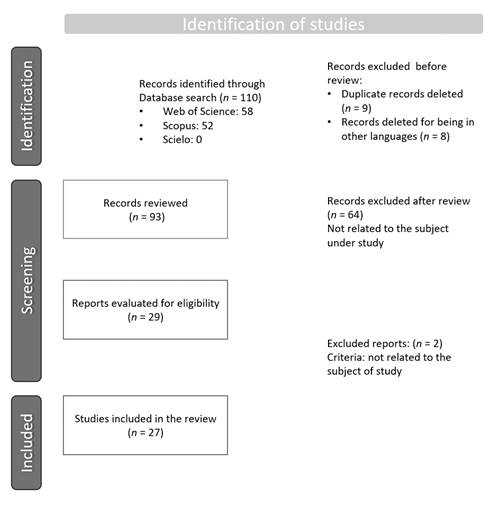
Methodology: An integrative review is presented in relation to the variant of situational analysis, which follows the following steps: 1) problem identification (clearly defined research question and objective); 2) literature search (comprehensive search strategy); 3) data assessment; 4) data analysis (data reduction, visualization, comparison, and conclusions); and 5) presentation of results as well as implications for practice, public policy, and future research.
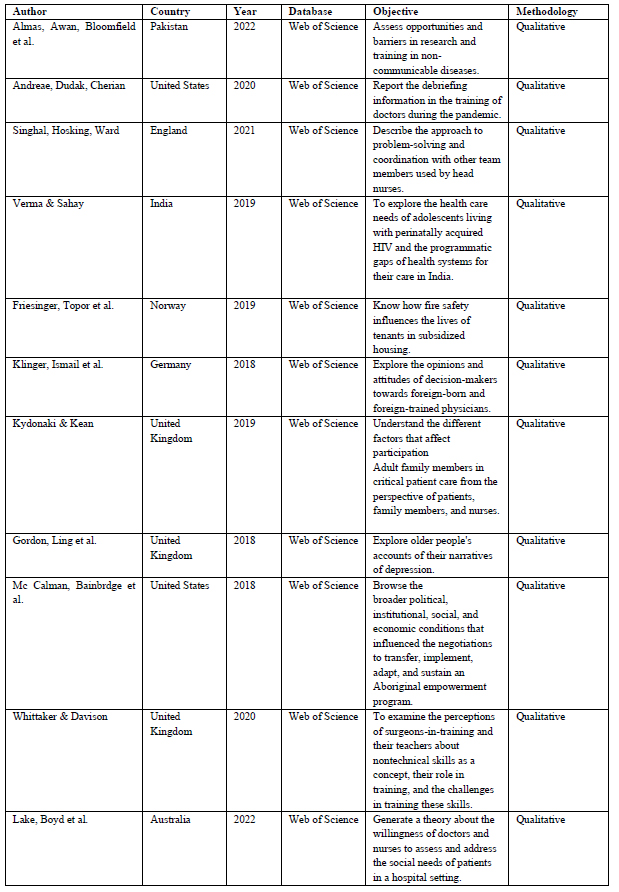
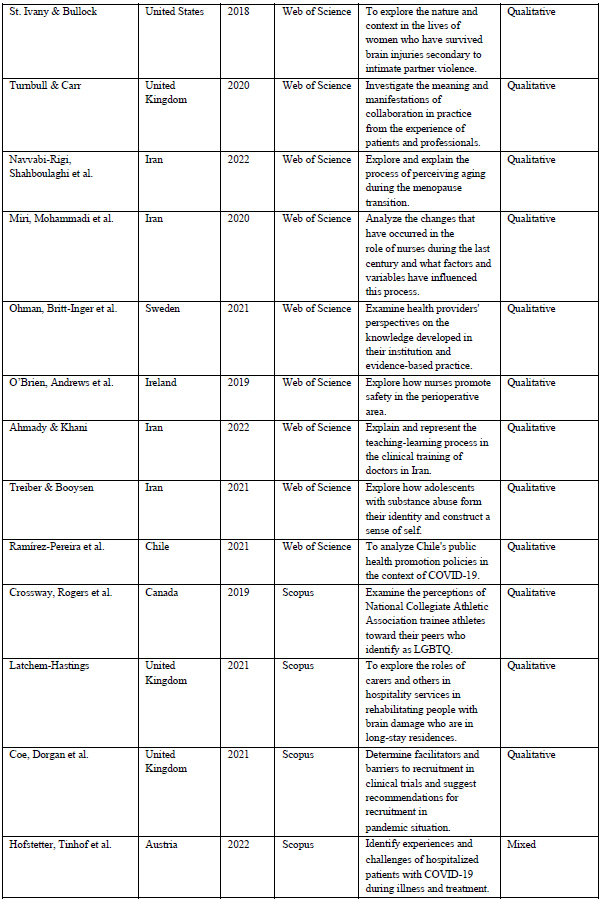
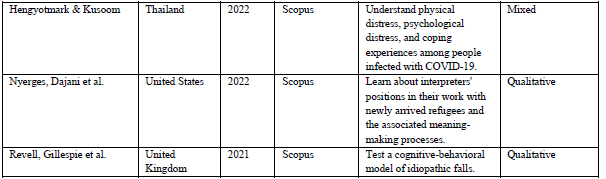
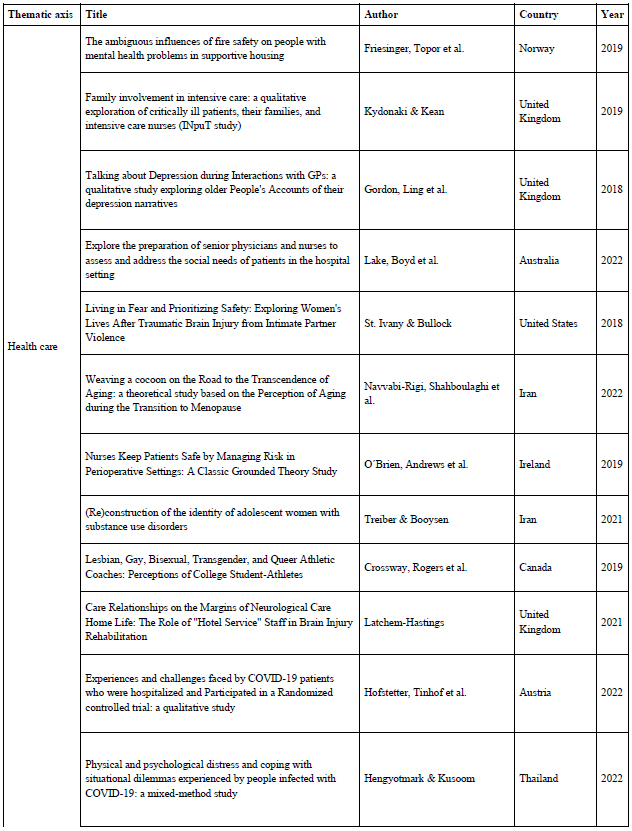
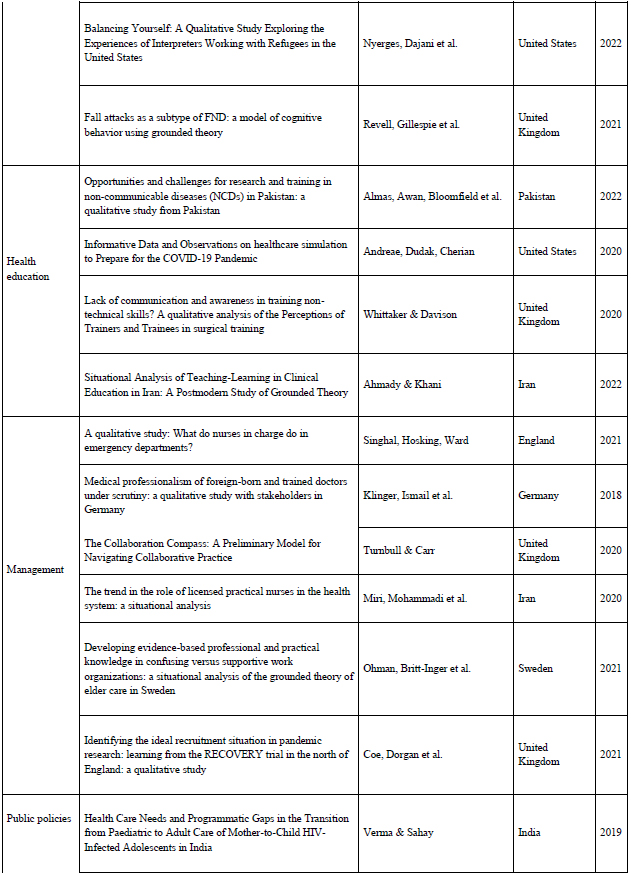
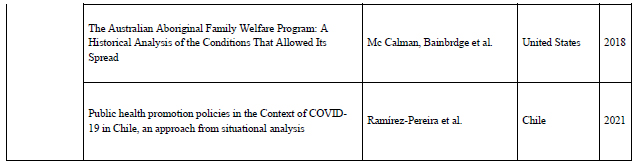
Results: Literature emerges that accounts for situational analysis as a methodology used in health education, health management, public policy, and health care, which incorporates elements of discourse analysis and posthumanist theories.
Conclusions: Situational analysis is a methodology for understanding social, cultural, health and educational phenomena, which is available and in accordance with the multidimensional view required to understand the complexity of the environment and fluidity of the era we are living in.
Keywords:
qualitative research; health planning; nursing research; public policy
 Thumbnail