Quality of Life of Rural Women and Associated Factors: A Cross-Sectional Study
Abstract:
Introduction: Rural women experience vulnerabilities related to working conditions, gender inequalities, and limited access to health services, factors that may negatively affect their quality of life. Understanding the determinants associated with quality of life in this context is essential to inform Primary Health Care (PHC) actions
Objective: To analyze the association between quality of life and sociodemographic, occupational, and health factors among rural women
Method: An analytical cross-sectional study was conducted with 87 rural women from the municipality of Nazarezinho, in the state of Paraíba, Brazil. Using convenience sampling, data were collected between July and November 2020 through interviews. A sociodemographic questionnaire and the quality-of-life assessment instrument, the Medical Outcomes Study 36-Item Short-Form Health Survey (SF-36), were applied. Data analysis was performed using descriptive and inferential statistics
Results: The lowest quality of life scores were observed in the domains of general health status and physical aspects. Older age, lower educational level, longer duration of rural work, work-related illness, presence of chronic diseases, and lack of leisure activities showed statistically significant associations with poorer scores across multiple domains
Conclusion: The findings highlight specific vulnerabilities among rural women and reinforce the need for health promotion actions within community nursing, focusing on the prevention of occupational illnesses, management of chronic conditions, and strengthening of leisure activities and self-care in PHC
Keywords:
quality of life; working women; rural health; health promotion
Resumo:
Introdução: Mulheres rurais vivenciam vulnerabilidades relacionadas às condições de trabalho, desigualdades de gênero e barreiras de acesso aos serviços de saúde, fatores que podem impactar negativamente sua qualidade de vida. A compreensão dos determinantes associados à qualidade de vida nesse contexto é essencial para subsidiar ações na Atenção Primária à Saúde (APS)
Objetivo: Analisar a associação entre qualidade de vida e fatores sociodemográficos, laborais e de saúde de mulheres rurais
Método: Estudo transversal analítico realizado junto a 87 mulheres rurais do município paraibano de Nazarezinho, Brasil. A partir de amostragem por conveniência, os dados foram coletados no período de julho a novembro de 2020 por meio de entrevistas. Foram aplicados um formulário sociodemográfico e o instrumento de avaliação de qualidade de vida Medical Outcomes Study 36-Item Short-Form Health Survey (SF-36). A análise dos dados se deu por estatística descritiva e inferencial
Resultados: Os menores escores de qualidade de vida foram observados nos domínios estado geral de saúde e aspectos físicos. Idade mais avançada, menor escolaridade, maior tempo de trabalho rural, adoecimento relacionado ao trabalho, presença de doenças crônicas e ausência de atividades de lazer apresentaram associação estatisticamente significativa com piores escores em múltiplos domínios
Conclusão: Os achados evidenciam vulnerabilidades específicas das mulheres rurais e reforçam a necessidade de ações de promoção da saúde no âmbito da enfermagem rural, com foco na prevenção de adoecimentos ocupacionais, no manejo de condições crônicas e no fortalecimento do lazer e do autocuidado na APS
Palavras-chave:
qualidade de vida; mulheres trabalhadoras; saúde da população rural; promoção da saúde
Resumen:
Introducción: Las mujeres rurales enfrentan vulnerabilidades relacionadas con condiciones laborales precarias, desigualdades de género y barreras en el acceso a los servicios de salud, factores que pueden afectar negativamente su calidad de vida. Comprender los determinantes asociados a la calidad de vida en este contexto es fundamental para orientar acciones en la Atención Primaria de Salud (APS)
Objetivo: Analizar la asociación entre calidad de vida y factores sociodemográficos, laborales y de salud de mujeres rurales
Método: Estudio transversal analítico realizado con 87 mujeres rurales del municipio de Nazarezinho, en el estado de Paraíba, Brasil. Mediante muestreo por conveniencia, los datos fueron recolectados entre julio y noviembre de 2020 a través de entrevistas. Se aplicaron un formulario sociodemográfico y el instrumento de evaluación de la calidad de vida Medical Outcomes Study 36-Item Short-Form Health Survey (SF-36). El análisis de los datos se realizó mediante estadística descriptiva e inferencial
Resultados: Las puntuaciones más bajas en calidad de vida se observaron en los dominios del estado general de salud y aspectos físicos. La mayor edad, el menor nivel educativo, el mayor tiempo de trabajo rural, la enfermedad relacionada con el trabajo, la presencia de enfermedades crónicas y la ausencia de actividades de ocio mostraron asociaciones estadísticamente significativas con peores puntajes en múltiples dominios
Conclusión: Los hallazgos evidencian vulnerabilidades específicas de las mujeres rurales y refuerzan la necesidad de acciones de promoción de la salud en el ámbito de la enfermería comunitaria, con énfasis en la prevención de enfermedades ocupacionales, el manejo de condiciones crónicas y el fortalecimiento del ocio y del autocuidado en la APS
Palabras clave:
calidad de vida; mujeres trabajadoras; salud rural; promoción de la salud
Introduction
Rural Brazil constitutes a setting in which some of the most severe social inequalities are expressed, where working, health, and living conditions have historically been and continue to be precarious and contradictory.1 In this context, investments in infrastructure, basic sanitation, water supply, and solid waste collection are scarce, and these services are often highly deficient. These indicators, however, are directly related to the quality of life (QoL) of rural populations.2 Studies from other parts of the world also highlight lower QoL indices in rural settings when compared with urban areas.3,4 The World Health Organization corroborates these findings and emphasizes that rural populations tend to be poorer and less healthy, a situation aggravated by reduced access to health services.5 The Pan American Health Organization, in turn, reinforces that in the Latin American context such inequalities are expressed even more intensely among women as a result of the sexual division of labor, labor informality, and the overload of productive and reproductive activities.6
Within this scenario of structural inequalities, QoL emerges as a central construct for understanding health and well-being conditions, especially among historically vulnerable populations. Originating in the 1960s, the concept was driven by social transformations and by the adoption of new epidemiological models of the health-disease process that required its systematic evaluation. Since then, multiple definitions have been proposed, revealing its polysemy and the absence of conceptual consensus. Historically associated with individual satisfaction with life and with Aristotelian conceptions of happiness and virtue, the term evolved into a multidimensional construct integrating physical, psychological, social, and environmental domains. QoL articulates objective conditions and subjective perceptions of well-being, varying according to human needs and stages of the life cycle. This complexity reinforces its role as an analytical parameter for measuring interventions, guiding public policies, and organizing models of health care.7
Knowledge about QoL is essential to understanding the consequences of diseases and treatments as well as to supporting medical decision making across different age groups and cultures. Moreover, information about QoL is essential to help individuals anticipate the consequences of health problems and their treatments and therefore constitutes an important outcome in health research.8
When compared with individuals living in urban areas, those residing in rural settings are generally poorer, have worse housing and sanitation conditions, face greater difficulties in accessing health services and communication resources, have lower levels of schooling, and present higher risks of injuries related to environmental and socioeconomic conditions. Studies have consistently reported lower QoL indices in rural settings both in overall terms and in specific domains.9
Studies demonstrate that gender is an intervening factor in the more negative QoL conditions experienced by rural women.10,11 Since work is one of the aspects that characterize QoL, lower QoL values among rural women may be associated with the fact that they are the most affected by exploitation and domination in rural environments resulting from their class and gender conditions historically marked by patriarchy.12 This reality permeates the ways of life of rural women and reverberates throughout their personal and family trajectories of life and work as well as their perspectives for the future, political action, and their health and disease processes.4
From a gender perspective, classical studies13 and contemporary studies14 indicate that health inequalities do not arise solely from biological differences but are socially produced through asymmetric power relations, cultural norms, and structural conditions that affect men and women differently. In the health field, these inequalities are reflected in greater female exposure to precarious working conditions, lower social recognition of their work, and unequal access to resources for care and protection.
Specifically regarding the articulation between gender and rurality, studies indicate that rural women experience particular forms of vulnerability marked by the invisibility of women’s agricultural work, the double workload, and the limited availability of public policies sensitive to the specificities of rural contexts.15 These conditions directly affect QoL and reinforce the need for analyses that simultaneously consider the markers of gender, territory, and work.
Such living and working conditions for rural women are not exclusive to Brazil but constitute structural problems shared by large regions of Latin America. In many Latin American countries rural populations face similar barriers in accessing Primary Health Care (PHC),16 precarious labor conditions17 and sociocultural norms that intensify the double workload and female vulnerability.10
The assessment of QoL makes it possible to transform knowledge and contributes to supporting and improving methods aimed at modifying situations that require change while also promoting broader reflection on the determinants of health and disease.18 Thus the present study although conducted in a specific municipality in Northeastern Brazil offers local evidence that may support the formulation of regional policies and interventions. Understanding which factors are directly associated with the QoL of rural women allows them to be considered in the design of policies and intersectoral actions and in the adaptation of rural PHC strategies focused on gender equity, prevention of occupational illness, and the promotion of leisure and self-care with the aim of improving this construct in rural settings given that it affects the lives of women in a transversal way. Therefore, the objective of this study is to analyze the association between quality of life and sociodemographic, occupational, and health related factors among rural women.
Method
This is a quantitative cross-sectional and analytical study conducted in the municipality of Nazarezinho, Paraíba, Brazil classified by the Brazilian Institute of Geography and Statistics as a predominantly rural municipality. The cross-sectional design allows the simultaneous observation of variables at a specific point in time and does not allow causal inferences but is appropriate for identifying patterns and associations between variables in specific population contexts.19
Data collection took place from July to November 2020 through interviews in which a sociodemographic form and the quality of life assessment instrument Medical Outcomes Study 36-Item Short-Form Health Survey (SF-36) were applied. This instrument is widely used and its structure is divided into three components items which correspond to the questions scales which correspond to each domain related to QoL and summary measures which represent the summary of the physical and mental components. The 36 items are divided into eight domains. Each domain presents a final score ranging from 0 to 100 in which higher values indicate a better QoL index.20
The SF-36 was validated in Brazil by Ciconelli.21 The domains were defined as Physical Functioning (PF) which assesses the presence of limitations related to physical capacity and its extensions; Role-Physical (RP) which assesses limitations involving the type and amount of work and how these limitations hinder work and activities of daily living; Bodily Pain (BP) which assesses the presence and intensity of pain and its interference in daily activities; General Health (GH) which assesses the individual perception regarding overall health; Vitality (VT) which assesses the individual level of energy and fatigue social aspects; Social Functioning (SF) which assesses how the individual integrates into social activities; Role-Emotional (RE) which assesses the repercussions of psychological aspects on the individual well-being and Mental Health (MH) which assesses issues related to changes in emotional behavior or emotional dysregulation depression anxiety and psychological well-being.21
The SF-36 was selected because of its long trajectory as a comprehensive instrument for assessing health related quality of life allowing comparisons across populations and studies. In terms of strengths and limitations, the SF-36 provides a richer dimensional profile than shorter instruments, for example EQ 5D which facilitates the identification of specific domains of deficit. On the other hand, its length and language may reduce validity in populations with low literacy or with ways of life that differ substantially from the urban industrial context.22
The study population consisted of 112 rural women registered in a microarea and followed by a rural team of the Family Health Strategy. Access to the participants occurred through the local health team more specifically through the guidance of the community health worker responsible for the microarea who assisted in identifying eligible participants.
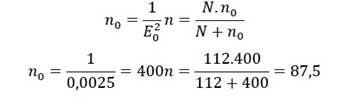
After the application of the selection criteria which included women over 18 years of age who agreed to participate in the study residents of rural areas and who perform or have performed throughout life activities related to agriculture and livestock and or extractivism women who had lived in rural areas for less than six months or those who despite residing in these areas did not have ways of life related to them were excluded. The sample was obtained by convenience using the Barbetta’s formula for establishing sample size in research with finite populations, considering that n0 corresponds to the first approximation of the sample size, E0 to the tolerable sampling error, N to the population size, and n to the sample size, taking into account a sampling error of 5 % with a confidence level of 95 %. fig2
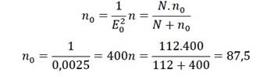
Thus, a final sample of 87 rural women was obtained and there were no formal refusals to participate among the women approached. The sample was defined by convenience considering the limitations imposed by the COVID-19 pandemic which prolonged the data collection period.
The variables used in the study were the scores of the eight QoL domains of the SF-36 as well as their summary measures. Sociodemographic occupational and health variables not included in the SF-36 were collected through a structured form developed by the authors containing previously defined closed questions related to age group race or color education marital status monthly income having children length of rural work activity types of rural tasks performed presence of personal income related to rural work illness related to rural work presence of chronic disease type of chronic disease practice of physical activity and leisure activity alcohol use and smoking.
After collection, the data were entered into spreadsheets which were exported for statistical analysis using the SPSS software version 25.0 considering the analytical nature of the study. Initially a descriptive analysis of the variables was conducted including the calculation of frequencies, means, standard deviations, minimum and maximum values and confidence intervals.
The normality of the distribution of the variables was assessed using the Kolmogorov-Smirnov test which indicated non normal distribution of the variables used. Therefore, nonparametric tests were adopted. The Mann Whitney U test was used to analyze associations between QoL domains and categorical variables while the Spearman correlation test was used to evaluate associations between the domains of the SF-36. The level of significance adopted was 5 percent (p < 0.05). There was no missing data in the databases which contributed to maintaining the consistency of the results.
This study followed the recommendations of the Strengthening the Reporting of Observational Studies in Epidemiology (STROBE) and complied with all criteria established in Resolution 466/2012 of the Brazilian National Health Council and was approved by the Research Ethics Committee of the Federal University of Rio Grande do Norte under opinion number 3.950.023. All participants signed two copies of an Informed Consent Form for participation in the research with one copy remaining with the researcher and the other with the participant.
It should be noted that Cronbach alpha, a statistical metric that estimates the reliability of a given questionnaire scale or similar instrument, was calculated to verify the internal consistency of the SF-36 and low reliability was observed (α = 0.33). This result may be related to difficulties in understanding the items by the participants, especially in a context of low literacy as well as to sociocultural specificities of the rural environment which may interfere with the interpretation of certain constructs originally developed in urban contexts.
Results
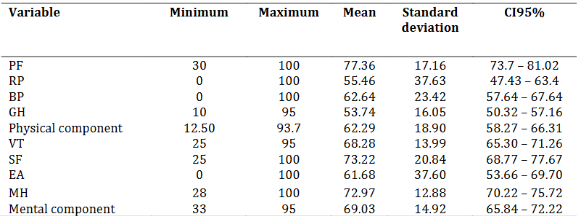
The sample consisted of 87 rural women. As presented in Table 1 the lowest mean QoL scores were observed in the domains RP (mean = 55.46 SD = 37.63) and GH (mean = 53.74 SD = 16.05) while the highest scores occurred in PF (mean = 77.36 SD = 17.16) and MH (mean = 72.97 SD = 12.88) indicating greater impairment of the physical dimensions of QoL.
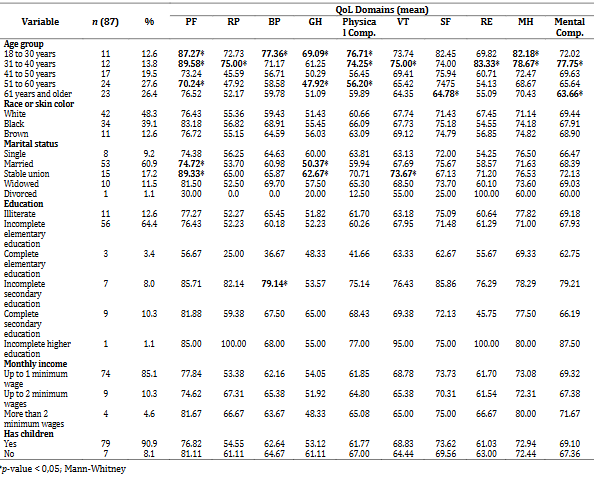
Regarding the sociodemographic profile of the sample the women were mostly married (60.9%), self identified as White (48.3 %) and had incomplete elementary education (64.4 %) percent. With regard to age group, the mean age was approximately 50.15 years. About 90.9 percent (n = 79) had children and reported a monthly income of up to one minimum wage minimum (wage in force in 2020 R$ 1,045.00). In general women in older age groups and with lower levels of education presented lower QoL scores especially in domains related to the physical component. Statistically significant associations were identified between QoL domains and the variables age group marital status and education as shown in Table 2.
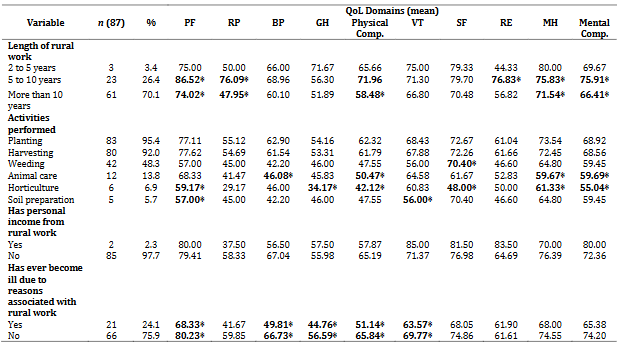
Regarding occupational aspects most of the women (70.1 %) had performed rural work for more than ten years with planting and harvesting being the main activities carried out. The majority of the women did not have income related to rural work (97.7 %). Statistically significant associations were identified between the mean scores of the QoL domains and length of rural work, the activities performed in rural work and illness related to work as summarized in Table 3.
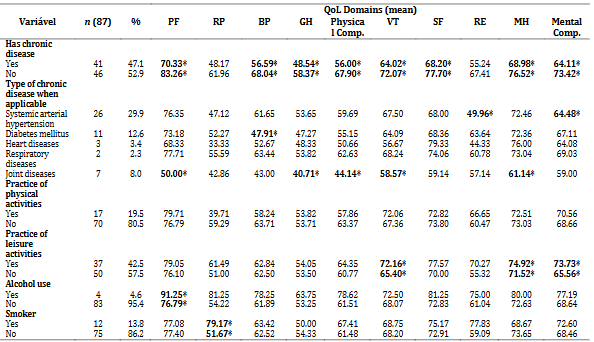
Regarding health and disease variables the number of women who self reported a chronic disease was similar to those who denied the presence of such conditions with systemic arterial hypertension presenting the highest prevalence (29.9 %). The practice of physical activities was reported by a small number of women (19.5 %) percent. Alcohol use did not represent a highly expressive proportion (4.6 %). The practice of leisure activities was reported by almost half of the participants in the study (42.5 %). The presence of chronic disease, the type of disease, the practice of leisure activities and the use of alcohol and tobacco showed statistically significant associations with QoL scores as highlighted in Table 4.
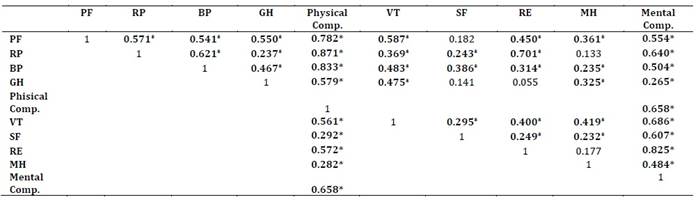
Among the SF-36 domains, Spearman’s correlation analysis identified several statistically significant correlations with emphasis on strong correlations between PF and the Physical Component (r = 0.782) and between RE and the Mental Component (r = 0.825) as presented in Table 5.
The correlations observed among the SF-36 domains reinforce the structural coherence of the instrument in the studied context. The strong correlations between PF and the Physical Component as well as between RE and the Mental Component indicate that the domains are organized in a manner consistent with the theoretical model of the instrument. On the other hand, the presence of weak and moderate correlations between distinct domains suggests adequate discrimination between the different dimensions of QoL reinforcing its multidimensional character. These findings partially mitigate the impact of the low overall internal reliability indicated by Cronbach alpha and support the interpretation of the results based on statistical patterns and associations provided that they are considered with caution.
Discussion
The results of the present study show low QoL among rural women with greater impairment in the domains GH and RP. The association of these domains with sociodemographic occupational and health factors reinforces the understanding of QoL as a multidimensional construct shaped by structural and contextual determinants.
Studies indicate that rural populations present lower mean QoL scores.9 This highlights the historical invisibility of this population within public policies given the discontinuity of such policies as well as of care models that fail to become consolidated in rural settings which directly affects the health and QoL of this population group.23
In this sense the living and working conditions of rural women characterized by limited access to health and education services persistent gender inequality and high levels of labor informality and precarious employment constitute common problems in many Latin American countries. These factors combined with the fragmentation of health systems and gaps in service coverage and quality reinforce the findings of the present study. Recent regional research has documented such systemic failures and their association with poorer health outcomes indicating that the local findings reported in this study reflect broader regional24 and international patterns.25
A recent systematic review highlights how social determinants of health affect the QoL of rural populations and emphasizes that insecurity and poverty have often been overshadowed by the “urban centrism” of the dominant discourse. Such invisibility arises partly from territorial dispersion and partly from an idealized view of rural life. Both factors obscure not only the existence of problems but also threats to the social sustainability of these areas such as the lack of services residential isolation and housing shortages.26
The specific scores obtained through the SF-36 were lower than those reported in a cross-sectional study with 355 rural workers in the state of São Paulo, Brazil which identified demographic and socioeconomic variables as associated with worse QoL indices although without performing a gender based analysis which makes comparisons with the present study more difficult.27
Despite this it was observed in both studies that the GH domain presented the lowest scores. Furthermore, an association was identified between better results in this domain and younger age groups.28 Thus the predominance of rural women in older age groups in the present study may partly explain the low scores found in the GH domain.
Socioeconomic and working conditions also help explain the low scores in the GH domain. Informality and job insecurity increase psychosocial burden and the prevalence of depressive symptoms while interruptions and barriers in access to PHC impair the management of chronic diseases. These factors reported in the Latin American literature explain the poorer QoL observed among rural women and confirm the relationship between economic precariousness difficulties in accessing services and negative health outcomes.17
From this perspective it should also be noted that the participation of women in the rural economy is strongly marked by the sexual division of labor and the tasks they perform although often similar to those carried out by men involve limited economic return which may contribute to women presenting worse QoL indices in most of the domains assessed.29
Regarding the other SF-36 domains a study conducted with 133 women farmers in India identified similar mean scores in the VT and MH domains. These results were associated with higher levels of education, better self concept and more effective coping strategies, which highlights a reciprocal relationship between RP, SF, and MH that compose higher order elements of QoL.30 In the present study these domains were associated with one another as evidenced in the Spearman correlation test.
Other characteristics associated with lower mean QoL scores include low levels of education and lower socioeconomic status. In this sense the results identified in the present study may be related to these factors corroborating previous findings that identify poorer and less educated individuals as the most vulnerable.28
Although some findings are consistent with the literature the present study revealed consistently low QoL indices among rural women. Elements such as early involvement in agricultural work the double workload resulting from gender roles and the absence of health services and professionals reinforce this scenario of vulnerability.28,30
In a systematic review, authors31 highlight that rural populations tend to perceive their QoL more negatively when compared with urban populations. In the case of women, the gender marker strongly influences this perception. Since adolescence men tend to have greater opportunities for schooling and inheritance of rural property while women remain associated with caregiving roles.29 This process of invisibilization leads to the devaluation of women’s work even when they perform activities identical to those carried out by men in addition to domestic tasks. Thus, even when they receive remuneration, they rarely decide how their earnings are used,32 which reinforces the structural nature of these inequalities.
In the present study the highest mean score was observed in the PF domain associated with younger age profiles and consistent with results reported in the literature.27 Among Iranian rural women PF was also associated with rurality.34 However, research conducted with 241 families in Rio Grande do Sul, Brazil showed that rural work may lead to illness capable of generating disabilities.34
Regarding associated factors a cross-sectional study with rural individuals conducted in the same Brazilian state mentioned above identified an association between older age and poorer QoL indices due to dependence on others development of diseases and limitations in leisure and work activities.28 These same factors were also related to lower scores in the present study.
It was also observed that married women presented lower mean QoL scores especially in the physical domains possibly due to the burden of the double workload. Those in stable unions presented higher mean scores in the PF, GH and VT domains without statistically significant differences in the mental component although the means were higher except in the RE domain. In contrast, other studies indicate that marital coexistence is associated with better QoL indices in psychological domains due to sexual activity and social support.28
With regard to education, divergent findings were observed with fewer years of schooling being associated at times with better and at other times with worse mean QoL scores. However, only among women with incomplete secondary education was a significant association observed in the BP domain. In general, studies indicate that low levels of education compromise learning about self-care, limit gains in productivity and wages, and perpetuate problems related to poverty, negatively affecting QoL. 35-37
Regarding occupational aspects, better QoL indices were observed among rural women who had performed rural work for between five and ten years whereas those who had carried out agricultural activities for more than ten years presented worse indices in domains of the physical component. Concerning the rural activities performed soil preparation, animal care, weeding, and horticulture showed statistical significance with lower QoL scores.
It should be emphasized that agricultural work is an activity that requires intense physical effort and high energy expenditure and is often unsuitable for human conditions. The organization of rural women around this type of work leads them to illness due to excessive labor which affects their QoL indices and explains the higher scores obtained by rural women who reported not having become ill due to rural work related reasons and the lower indices observed among women who performed the rural activities mentioned above.38
Regarding health and disease variables, the presence of chronic diseases was a determining factor for the reduction of QoL scores. Hypertension was associated with a decline in the RE domain and in the mental component diabetes mellitus reduced the BP domain and joint diseases affected multiple domains both physical and mental. These conditions limit daily activities, reduce functional capacity, and affect mental health. They also make work and leisure activities more difficult, factors that were significant in this study.
It is known that the presence of chronic diseases generally limits daily activities because of physical symptoms such as discomfort and pain, which may reduce a person’s functional capacity and negatively contribute to QoL particularly in the physical domains but also in psychological domains since the limitations caused by the disease affect mental health and the perception of self-image and personal feelings, and also create obstacles to work and leisure activities the latter being an intervening factor in poorer QoL scores in the present study with statistical significance for domains of the mental component.9,28
Reduced scores in GH and RP associated with older age lower levels of education and chronic diseases are consistent with recent Latin American investigations that highlight health vulnerabilities among rural Andean populations and barriers to women’s access to health care in low income contexts.39 These studies indicate that fragmentation of health systems and geographic and economic barriers intensify the inadequate management of chronic conditions resulting in poorer physical scores and worse perceived health.24 In summary, the present study converges with these regional findings and reinforces the need for interventions that simultaneously consider structural determinants such as access coverage and quality of services and social determinants such as education work and gender in order to sustainably improve the QoL of rural women.2,39,40
Alcohol consumption also deserves attention. Although it is associated with numerous harms to health, 41 in the present study it was related to higher scores in the PF domain. This result may be associated with the absence of specification between occasional and abusive consumption. A study conducted in PHC services in Rio de Janeiro, Brazil, found a positive association between alcohol consumption and QoL attributed to leisure and social interaction.42 In contrast, research with rural workers in Bahia, Brazil, identified an inverse association, highlighting the harmful effects of alcohol and its negative socioeconomic impact on public health.43
With regard to tobacco use, it is assumed that the explanation for the higher mean in the RE domain with statistically significant association may be similar considering the harms to health and QoL caused by smoking already documented in studies with rural populations.44
Regarding the identification of correlations between specific SF-36 domains these findings reinforce the structural coherence of the instrument in the studied context. The strong correlations between PF and the Physical Component as well as between RE and the Mental Component indicate that the domains are organized consistently with the theoretical model of the instrument. On the other hand, the presence of weak and moderate correlations between distinct domains suggests adequate discrimination between different dimensions of QoL reinforcing its multidimensional character. These findings partially mitigate the impact of the low overall internal reliability observed and support the interpretation of the results based on statistical patterns and associations.
It should be noted that understanding the factors associated with the QoL of rural women implies recognizing situations that negatively affect their physical, psychosocial, and environmental conditions and enables the development of public policies capable of contributing to the improvement of their QoL and health status.27
From the perspective of rural nursing the findings of this study reinforce the centrality of territorially grounded care that is sensitive to the specificities of gender and rurality. The association between living, working, and health conditions and QoL scores indicates that health care for rural women cannot be restricted to a biomedical approach and requires interventions that consider the social, occupational, and psychosocial determinants of the health disease process. From this perspective rural nursing stands out as a central element in the promotion of women’s QoL given its continuous presence in the territory and its role in the longitudinal follow-up of families occupying a strategic position in identifying vulnerabilities, monitoring chronic conditions, and developing educational actions aimed at health promotion prevention of illnesses related to rural work and the strengthening of self-care and leisure.
Among the limitations of the study, the low internal reliability of the SF-36 should be highlighted possibly related to difficulties in understanding the instrument in a context of low literacy as well as to sociocultural specificities of the rural environment which requires caution in the interpretation of the observed scores. In addition, the cross-sectional design prevents causal inferences and the fact that the study was conducted in a single municipality limits the generalization of the findings to other rural contexts.
Despite these limitations, the study contributes by giving visibility to vulnerabilities that are often overlooked especially in aggregated measures and by offering empirical evidence that may support practices and policies aimed at improving the QoL of rural women particularly in the field of public health and rural nursing. Furthermore, it contributes to filling knowledge gaps and identifying priorities for intervention in the field of rural health. Although local in scope the findings provide a methodological model and replicable evidence that may support multicenter studies strengthening the empirical basis for actions that recognize the specificities of gender and rurality and the importance of health promotion in rural settings.
Conclusion
The present study demonstrated that rural women present low QoL scores especially in domains related to physical health and the perception of general health status. Sociodemographic occupational and health factors such as age, education, length and type of rural activity, illness related to work, presence of chronic diseases, practice of leisure activities, and consumption of alcohol and tobacco were statistically associated with quality of life scores.
These findings reinforce that the QoL of rural women is shaped by multiple vulnerabilities related to working conditions gender inequalities and barriers to accessing health services. In the context of Primary Health Care, these findings highlight the importance of health promotion actions focused on the prevention of occupational illnesses, the adequate management of chronic conditions and the encouragement of leisure and self-care.
Within the field of nursing, a professional category directly inserted in rural settings and often the only one available to serve the population the results provide support for the planning of territorially grounded interventions that are sensitive to the specificities of rural environments contributing to the improvement of care provided to rural women and to the promotion of their health. It is recommended that public policies and health care strategies incorporate QoL indicators in the monitoring of actions in rural areas and invest in the training of health teams to address gender and social inequalities in this context.
Finally future studies with multicenter designs larger samples and culturally adapted instruments are recommended in order to deepen the understanding of factors associated with the QoL of rural women and to strengthen the evidence base for the formulation of more equitable policies and practices.
References
-
1. Córdova TAB, Ribas CEDC, Wosny AM. A assistência à saúde dos Sem-Terra: o caso do assentamento Butiá, Santa Catarina, Brasil. Saúde & Transformação Social. 2011;1(2):67-78. Disponível em: https://incubadora.periodicos.ufsc.br/index.php/saudeetransformacao/article/view/520
» https://incubadora.periodicos.ufsc.br/index.php/saudeetransformacao/article/view/520 -
2. Kolling Neto A, Anjos GM, Brandolff RS, Goés TP, Silva JF. Fatores relacionados à saúde pública e ao saneamento básico em comunidade rural de Barreiras, Bahia, Brasil. Rev baiana de saúde pública. 2018;41(3). doi: 10.22278/2318-2660.2017.v41.n3.a2079
» https://doi.org/10.22278/2318-2660.2017.v41.n3.a2079 -
3. Chantakeeree C, Sormunen M, Estola M, Jullamate P, Turunen H. Factors affecting quality of life among older adults with hypertension in urban and rural areas in Thailand: a cross-sectional study. The International Journal of Aging and Human Development. 2021;95(2):222-244. doi: 10.1177/00914150211050880
» https://doi.org/10.1177/00914150211050880 -
4. Petrovič F, Maturkanič P. Urban-rural dichotomy of quality of life. Sustainability. 2022;14(14):8658. doi: 10.3390/su14148658
» https://doi.org/10.3390/su14148658 -
5. World Health Organization. WHO guideline on health workforce development, attraction, recruitment and retention in rural and remote áreas (Internet). Geneva: World Health Organization; 2021. Disponível em: https://iris.who.int/server/api/core/bitstreams/70210010-a0e0-4386-970c-11f342d6e01c/content
» https://iris.who.int/server/api/core/bitstreams/70210010-a0e0-4386-970c-11f342d6e01c/content -
6. Organização Pan-Americana da Saúde. Equidade de gênero em saúde (Internet). Disponível em: https://www.paho.org/pt/topicos/equidade-genero-em-saude
» https://www.paho.org/pt/topicos/equidade-genero-em-saude -
7. Ruidiaz-Gómez KS, Cacante-Caballero JV. Desenvolvimento histórico do conceito de qualidade de vida: uma revisão da literatura. Rev cienc cuidad. 2021;18(3):86-99. doi: 10.22463/17949831.2539
» https://doi.org/10.22463/17949831.2539 -
8. Haraldstad K, Wahl A, Andenæs R, Andersen JR, Andersen MH, Beisland E, et al. A systematic review of quality of life research in medicine and health sciences. Qual Life Res. 2019;28(10):2641-2650. doi: 10.1007/s11136-019-02214-9
» https://doi.org/10.1007/s11136-019-02214-9 -
9. Llaneza-Suarez C, Garcia-Portilla P, Rodriguez-Vijande B, Carriles J, Sánchez-Prieto M, Coronado Martín PJ, Llaneza Coto ÁP, et al. Rural residence and health-related quality of life in a sample of Spain perimenopausal women. Gynecol Endocrinol. 2024;40(1):2336335. doi: 10.1080/09513590.2024.2336335
» https://doi.org/10.1080/09513590.2024.2336335 -
10. Zheng E, Xu J, Xu J, Zeng X, Tan WJ, Li J, et al. Health-related quality of life and its influencing factors for elderly patients with hypertension: evidence from Heilongjiang Province, China. Front Public Health. 2021;9:654822. doi: 10.3389/fpubh.2021.654822
» https://doi.org/10.3389/fpubh.2021.654822 -
11. Leal DU, Lopes IS. Mulheres rurais, interseccionalidade e saúde. Saúde e Sociedade. 2025;34(1):e240042pt. doi: 10.1590/S0104-12902025240042pt
» https://doi.org/10.1590/S0104-12902025240042pt -
12. Bringel FCM, Godoi EL, Ferreira NCM, Isidoro JLE. A dominação masculina no campo: um estudo da exclusão da mulher rural no acesso à terra e sua participação na economia rural. Rev Contemp. 2024;4(5):e4552. doi: 10.56083/RCV4N5-242
» https://doi.org/10.56083/RCV4N5-242 -
13. Scott J. Gênero: uma categoria útil de análise histórica. Educ Real. 2017;20(2). Disponível em: https://seer.ufrgs.br/index.php/educacaoerealidade/article/view/71721
» https://seer.ufrgs.br/index.php/educacaoerealidade/article/view/71721 -
14. Connell R. Gender, health and theory: conceptualizing the issue, in local and world perspective. Soc Sci Med. 2012;74(11):1675-83. doi: 10.1016/j.socscimed.2011.06.006
» https://doi.org/10.1016/j.socscimed.2011.06.006 - 15. Paulilo MI. Mulheres rurais: quatro décadas de diálogo. Santa Catarina: Editora da UFSC; 2016.
-
16. Pazmiño-Verdezoto AV, Vasco SGF, Quintana TEA. Limitaciones en el acceso equitativo a la atención primaria de salud en poblaciones vulnerables en Latinoamérica. Pol Con. 2025;10(2):511-529. doi: 10.23857/pc.v10i2.8887
» https://doi.org/10.23857/pc.v10i2.8887 -
17. Huynh TB, Oddo VM, Trejo B, Moore K, Quistberg DA, Kim JJ, et al. Association between informal employment and depressive symptoms in 11 cities in Latin America. SSM Popul Health. 2022;18:101101. doi: 10.1016/j.ssmph.2022.101101
» https://doi.org/10.1016/j.ssmph.2022.101101 -
18. Favacho VBC, Cárdenas AMC, Pena FPS, Pena JLC, Sena CF, Oliveira MAF. Qualidade de vida e uso abusivo de álcool: relação em moradores da comunidade quilombola Lagoa dos Índios. Rev Eletrônica Saúde Mental Álcool Drog. 2019;15(1):14-22. doi: 10.11606/issn.1806-6976.smad.2019.000378
» https://doi.org/10.11606/issn.1806-6976.smad.2019.000378 - 19. Polit DF. Fundamentos da pesquisa em enfermagem: avaliação de evidências para a prática da enfermagem. 9. ed. Porto Alegre: Artmed; 2019.
-
20. Campolina AG, Ciconelli RM. O SF-36 e o desenvolvimento de novas medidas de avaliação de qualidade de vida. Acta reumatológica portuguesa. 2008;33(2):127-133. Disponível em: https://pubmed.ncbi.nlm.nih.gov/18604180/
» https://pubmed.ncbi.nlm.nih.gov/18604180/ - 21. Ciconelli RM. Tradução para o português e validação do questionário genérico de avaliação de qualidade de vida “Medical Outcomes Study 36-Item Short-Form Health Survey (SF-36)” (Tese). São Paulo: Universidade Federal de São Paulo; 1997.
-
22. Wu Q, Chen Y, Zhou Y, Zhang X, Huang Y, Liu R. Reliability, validity, and sensitivity of short-form 36 health survey (SF-36) in patients with sick sinus syndrome. Medicine (Baltimore). 2023;102(24):e33979. doi: 10.1097/MD.0000000000033979
» https://doi.org/10.1097/MD.0000000000033979 - 23. Caldart RS, Pereira IB, Alentejano P, Frigotto G. Dicionário da educação do campo. São Paulo: Expressão Popular; 2012.
-
24. Roberti J, Leslie HH, Doubova SV, Ranilla JM, Mazzoni A, Espinoza L, et al. Inequalities in health system coverage and quality: a cross-sectional survey of four Latin American countries. Lancet Glob Health. 2024;(1):e145-e155. doi: 10.1016/S2214-109X(23)00488-6
» https://doi.org/10.1016/S2214-109X(23)00488-6 -
25. Singh A, Palaniyandi S, Palaniyandi A, Gupta V. Health related quality of life among rural elderly using WHOQOL-BREF in the most backward district of India. J Family Med Prim Care. 2022;11(3):1162-1168. doi: 10.4103/jfmpc.jfmpc_1073_21
» https://doi.org/10.4103/jfmpc.jfmpc_1073_21 -
26. Rodríguez HG. El Trabajo Social en el medio rural: una revisión sistemática de la literatura. Alternativas. 2024;31(1):75-102. doi: 10.14198/ALTERN.24224
» https://doi.org/10.14198/ALTERN.24224 -
27. Lima PJP, Oliveira HB. Aspectos de saúde e qualidade de vida de residentes em comunidades rurais. Rev baiana de saúde pública. 2014;38(4):913-930. doi: 10.22278/2318-2660.2014.v38.n4.a849
» https://doi.org/10.22278/2318-2660.2014.v38.n4.a849 -
28. Bortolotto CC, Mola CL, Tovo-Rodrigues L. Quality of life in adults from a rural area in Southern Brazil. Rev saúde pública. 2018;52:4s. doi: 10.11606/S1518-8787.2018052000261
» https://doi.org/10.11606/S1518-8787.2018052000261 -
29. Baronio FC, Geiger LA. The construction of being a woman in family farming: a logotherapeutic perspective. Rev Abordagem Gestált. 2018;24(1):91-97. doi: 10.18065/RAG.2018v24n1.10
» https://doi.org/10.18065/RAG.2018v24n1.10 -
30. D’Souza MS, Karkada SN, Somayaji G. Factors associated with health-related quality of life among Indian women in mining and agriculture. Health Qual Life Outcomes. 2013;11:9. doi: 10.1186/1477-7525-11-9
» https://doi.org/10.1186/1477-7525-11-9 -
31. Sosa ATA, Paucar PAZ, Vivas NMS, Troya BBB, Jaramillo AE, Rivera SYA. Comorbilidad, adherencia y calidad de vida en personas con diabetes tipo 2: estudio comparativo en población urbana y rural. Revista Científica y Académica. 2025;5(2):1262-83. doi: 10.61384/r.c.a..v5i2.1205
» https://doi.org/10.61384/r.c.a..v5i2.1205 -
32. Silva MR. Gender and inequalities: reflections on women in family agricultural activity. Braz J Develop. 2019;5(3):2095-105. doi: 10.34117/bjdv5n3-1227
» https://doi.org/10.34117/bjdv5n3-1227 -
33. Esmaeilzadeh S, Delavar MA, Delavar MHA. Assess quality of life among Iranian married women residing in rural places. Glob J Health Sci. 2013;5(4):182-188. doi: 10.5539/gjhs.v5n4p182
» https://doi.org/10.5539/gjhs.v5n4p182 -
34. Riquinho DL. A outra face dos determinantes sociais de saúde: subjetividades na construção do cotidiano individual e coletivo em uma comunidade rural (Dissertação). Porto Alegre: Universidade Federal do Rio Grande do Sul; 2009. Disponível em: https://lume.ufrgs.br/handle/10183/16566
» https://lume.ufrgs.br/handle/10183/16566 -
35. Tavares DM dos S, Gomes NC, Dias FA, Santos NM de F. Fatores associados à qualidade de vida de idosos com osteoporose residentes na zona rural. Esc Anna Nery. 2012;16(2):371-378. doi: 10.1590/S1414-81452012000200023
» https://doi.org/10.1590/S1414-81452012000200023 -
36. Souza-Esquerdo VF, Bergamasco SMPP, Oliveira JTA, Souza EO. Segurança alimentar e nutricional e qualidade de vida em assentamentos rurais. Segurança Alimentar e Nutricional. 2013;20(1):13-23. doi: 10.20396/san.v20i1.8634619
» https://doi.org/10.20396/san.v20i1.8634619 -
37. Bastos RC, Bifano ACS. “Estado da arte” sobre as publicações científicas envolvendo o trabalho agrícola familiar no Brasil sob o ponto de vista ergonômico. Revista Engenharia na Agricultura. 2017;25(1):27-37. doi: 10.13083/reveng.v25i1.736
» https://doi.org/10.13083/reveng.v25i1.736 -
38. Casaes AC, Menezes CA, Santos RA, Souza BOL, Cunha Silva BRB, Tabajara Y, et al. Nutritional status and quality of life: urban-rural disparities and the impact of obesity. Int J Environ Res Public Health. 2024;21:1455. doi: 10.3390/ijerph21111455
» https://doi.org/10.3390/ijerph21111455 -
39. Moya-Salazar J, Jaime-Quispe A, Cañari B, Moya-Espinoza JG, Contreras-Pulache H. A systematic review of mental health in rural Andean populations in Latin America during the COVID-19 pandemic. Front Psychiatry. 2023;14:1136328. doi: 10.3389/fpsyt.2023.1136328
» https://doi.org/10.3389/fpsyt.2023.1136328 -
40. Terefe B, Workneh BS, Zeleke GA, Mekonen EG, Zegeye AF, Aemro A, et al. Uncovering women's healthcare access challenges in low- and middle-income countries using mixed effects modelling approach: insights for achieving the Sustainable Development Goals. PLoS One. 2025;20(1):e0314309. doi: 10.1371/journal.pone.0314309
» https://doi.org/10.1371/journal.pone.0314309 -
41. Sarich P, Gao S, Zhu Y, Canfell K, Weber MF. The association between alcohol consumption and all-cause mortality: an umbrella review of systematic reviews using lifetime abstainers or low-volume drinkers as a reference group. Addiction. 2024;119(6):998-1012. doi: 10.1111/add.16446
» https://doi.org/10.1111/add.16446 -
42. Santos MVF, Campos MR, Fortes SLCL. Relação do uso de álcool e transtornos mentais comuns com a qualidade de vida de pacientes na atenção primária em saúde. Ciênc saúde coletiva. 2019;24(3):1051-1063. doi: 10.1590/1413-81232018243.01232017
» https://doi.org/10.1590/1413-81232018243.01232017 -
43. Beck Filho JA, Amorim AM, Fraga-Maia H. Consumo de álcool entre os trabalhadores do corte da cana-de-açúcar: prevalência e fatores associados. Revista Pesquisa em Fisioterapia. 2016;6(3):306-316. doi: 10.17267/2238-2704rpf.v6i3.952
» https://doi.org/10.17267/2238-2704rpf.v6i3.952 -
44. Hilts KE, Hudmon KS, Benson AF, Elkhadragy N. Rural-urban disparities in tobacco use and the role of pharmacists in closing the gap. J Rural Health. 2022;38(2):355-359. doi: 10.1111/jrh.12607
» https://doi.org/10.1111/jrh.12607