Representations of the Uruguayan Dictatorship from the Perspective of Filmmakers Born in Democracy
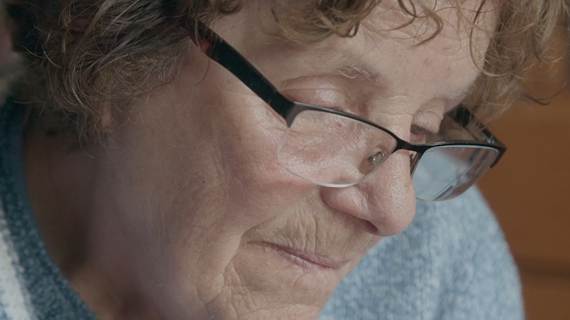
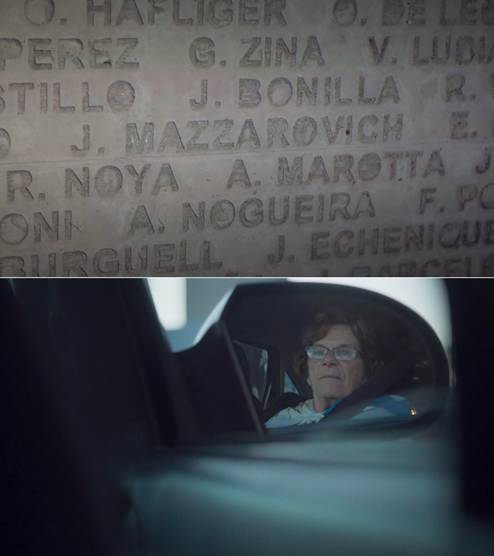
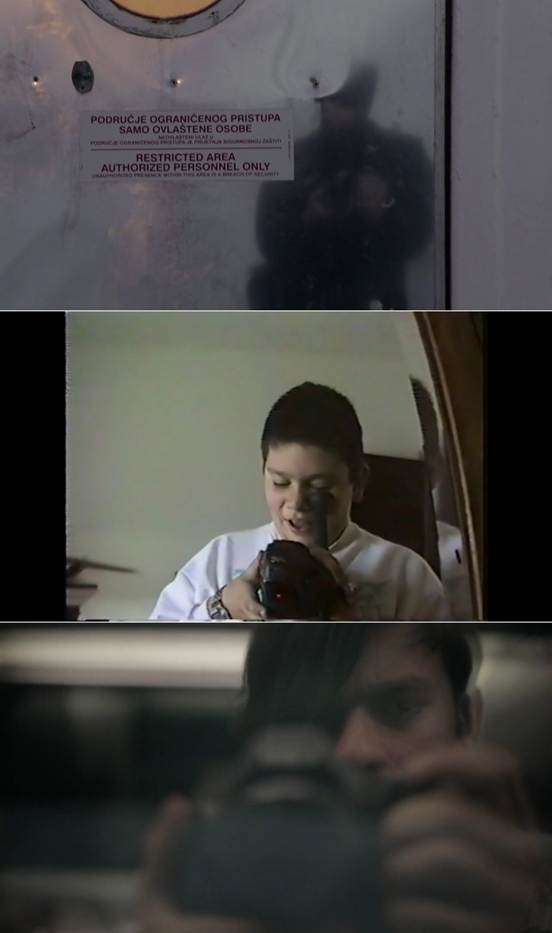
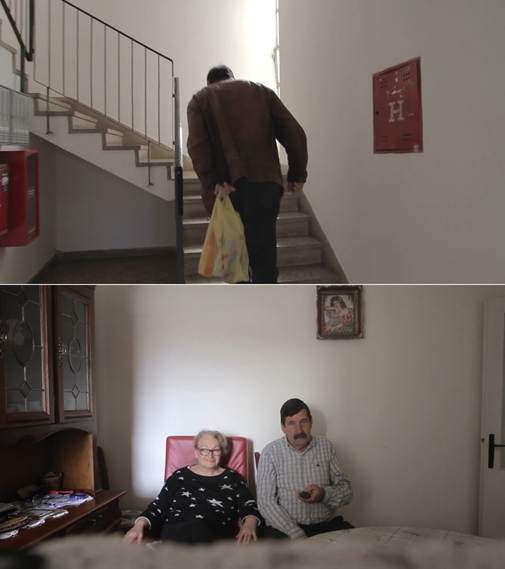
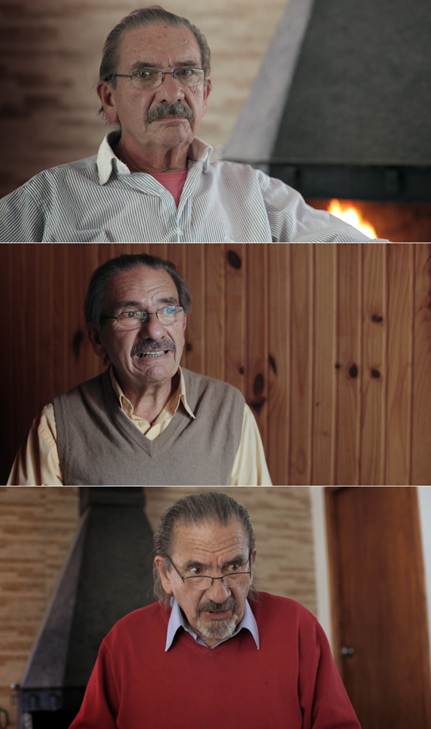
This article explores how new generations of filmmakers represent the last Uruguayan dictatorship (1973-1985) through a comparative analysis of two documentaries directed by filmmakers born in democracy: Ópera Prima (Banina, 2018) and Delia (Pena, 2022). Framed within debates on memory, postmemory, and intergenerational transmission, the study identifies a shift from the cinematographic discourses of earlier generations, which were generally characterized by the direct depiction of historical events and explicit political advocacy. In contrast, recent productions adopt first-person narratives that examine the consequences of the past from an intimate, domestic, and affective perspective
Keywords:
Uruguay; cinema; documentary; postmemory; dictatorship
 Thumbnail
 Thumbnail
 Thumbnail
 Thumbnail
 Thumbnail
 Thumbnail
 Thumbnail
 Thumbnail