
 Ericsson’s Robot as a Representation of Technology, Superiority, and Luxury in 1932 Mexico
In the 20th century, the robot emerged as a symbol of technology, innovation, and the future. The Industrial Revolution left us with a legacy of obsession with process automation, but also with the fear of jobs being replaced by robots and the anxiety that technology and machines might control humanity’s fate. From this perspective, the aim of this article is to show how the Ericsson telephone company, in the early 20th century, sought to establish its presence among the Mexican public by introducing the figure of a robot. The findings are based on two newspaper ads published in 1932, in which the robot emphasizes automation, promoting the replacement of manual services, while also highlighting the safety of the service to dispel fears about machines. Additionally, the ads aimed to position technology as a luxury item, suggesting that through Ericsson’s telephone services, social distinction could be achieved in post-revolutionary Mexican society
Keywords:
robot; advertising; press; technology; telephone
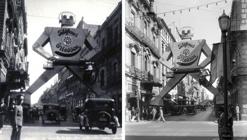 Thumbnail
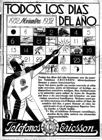 Thumbnail
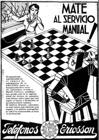 Thumbnail
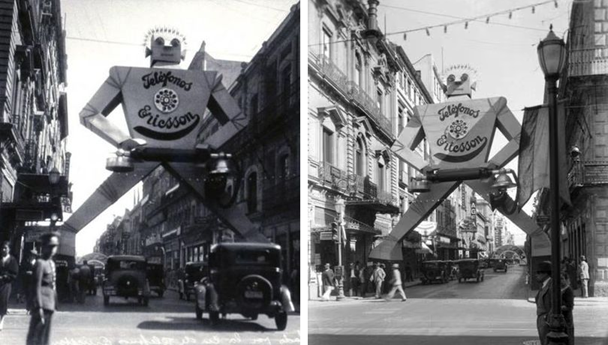
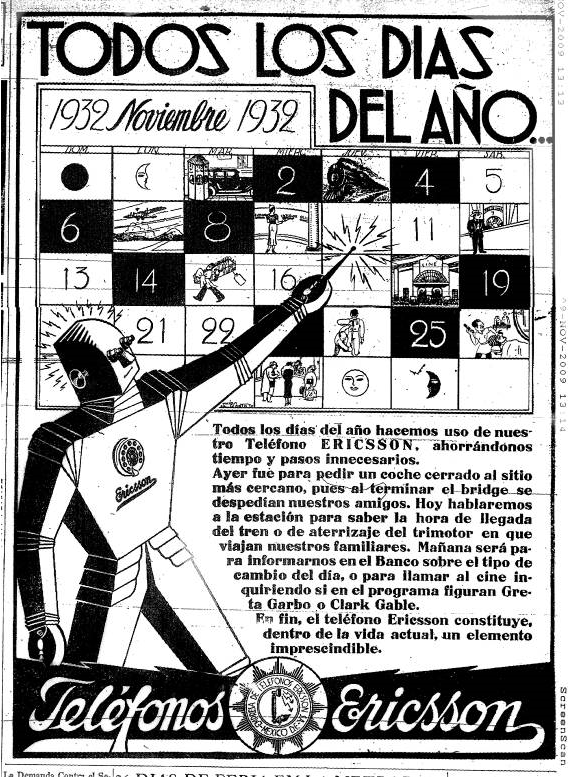
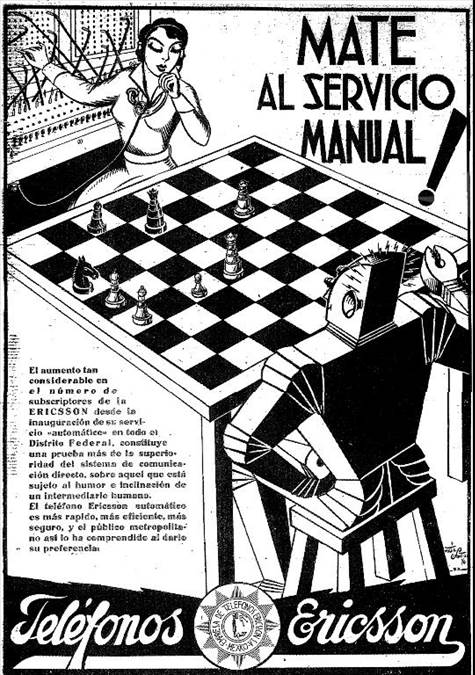 Nota: Tomado de la Hemeroteca Nacional, 2009. Fuente: El Universal, 1o de diciembre de 1932, Sección Primera, p. 8