Police News in the Argentine Press of the Eighties in La Nación and Crónica
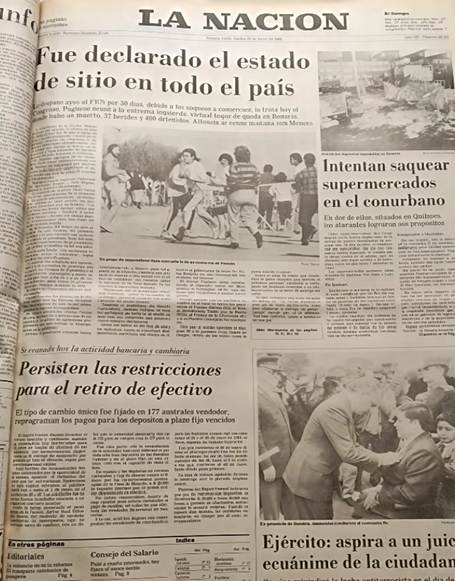
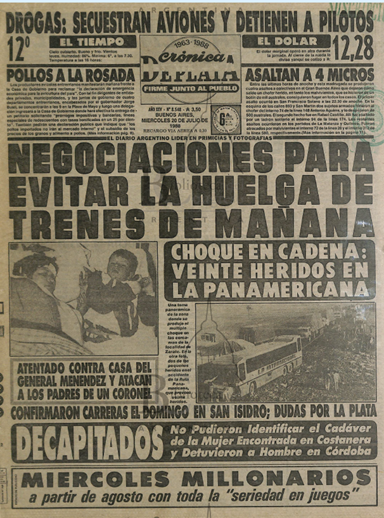
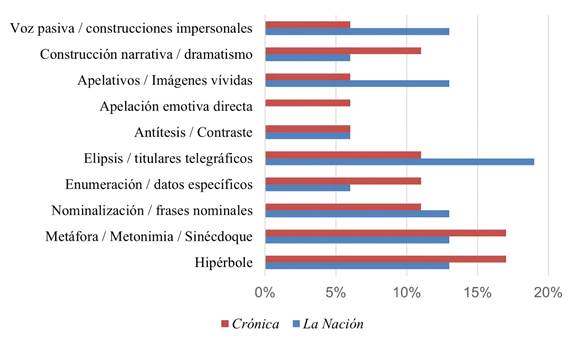
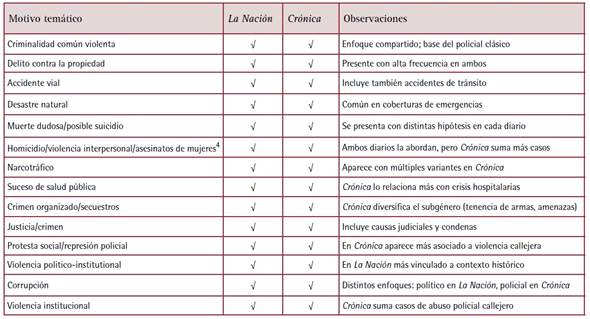
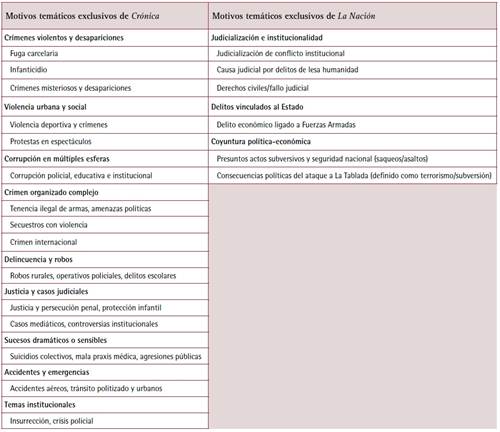
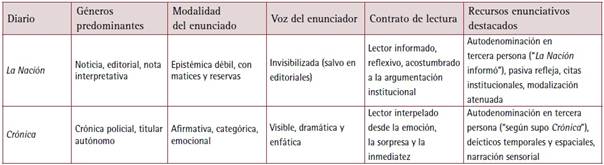
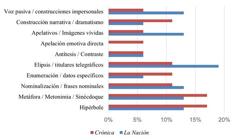
This article analyzes how the Argentine newspapers La Nación and Crónica represented crime in their police-news sections between January 1988 and July 1989, during the final stage of Raúl Alfonsín’s administration (1983-1989). The methodology is qualitative and integrates operational categories from sociosemiotics, enunciation theory, and content analysis. The findings show that, although both newspapers addressed issues related to traditional forms of crime, each expanded or restricted its thematic focus according to its editorial line. The main conclusion is that police news operates as a discourse that inscribes social fears and articulates tensions within the democratic order, revealing distinct modes of editorial construction during a critical period in Argentina’s democratic revival
Keyword:
print media; crime; democracy; Argentina
 Thumbnail
 Thumbnail
 Thumbnail