Sociodemographic variables and prejudices perception from disabled people
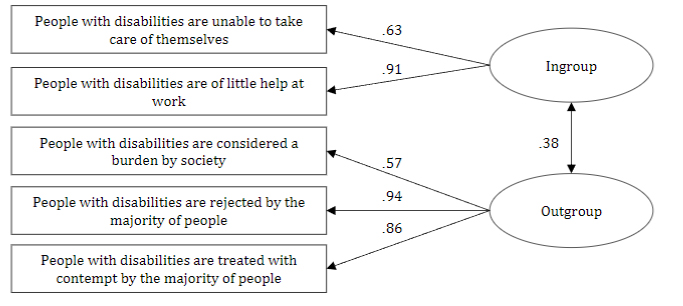
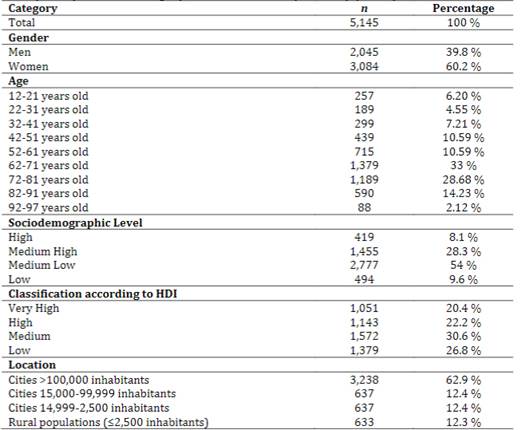
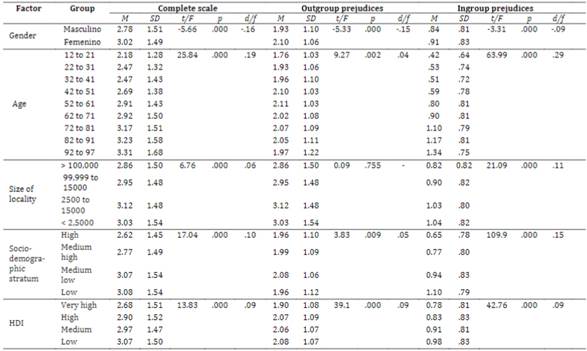
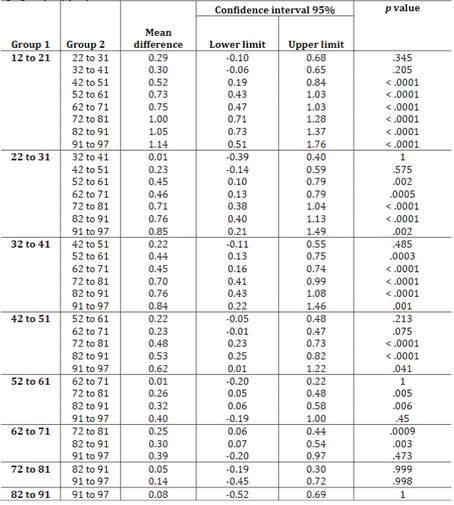
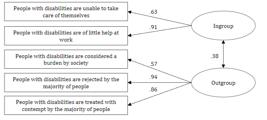
People with disabilities face numerous social barriers, including prejudices, defined as hostile and aversive attitudes towards members of a stigmatized group. The prejudice's perception among people with disabilities may be a function of sociodemographic variables, however, only a few studies have deepened such differences in the experience of people with disabilities, especially in the Mexican context. The present study examines the opinions of 5145 people with disabilities through the Encuesta Nacional de Discriminación (ENADIS) 2017 (National Survey about Discrimination) by age, sex, socioeconomic level, location size and the Human Development Index (HDI). The confirmatory factor analysis shows two factors: in-group and out-group prejudices. Results in the comparisons reveal that the elderly, people with low sociodemographic status, and those living in locations with low HDI face higher means of prejudice on the total and in-group scales. The impact of aging and the availability of social services on the perception of prejudice by people with disabilities is discussed.
Keywords:
disability; prejudice; discrimination; attitudes; stigma
 Thumbnail