Psychometric Properties of the Work Autonomy Scale in the Brazilian Context
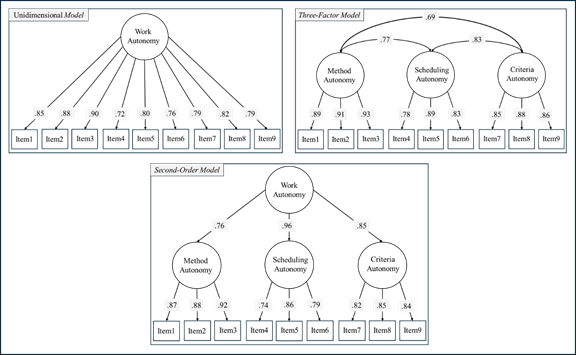
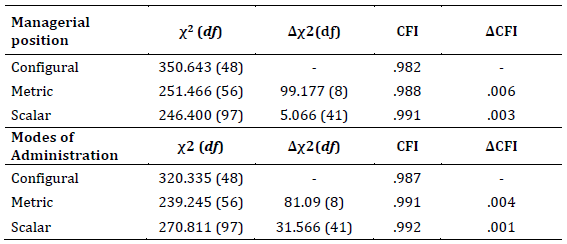
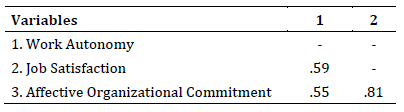
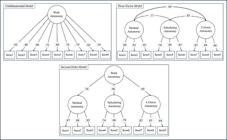
Work autonomy is understood as the freedom of workers to manage the different aspects that involve carrying out their own tasks, such as scheduling, criteria, and work methods. In this sense, the objective of this study was to adapt and seek validity evidence of the Work Autonomy Scale in the Brazilian context. A total of 718 Brazilian workers participated, with ages ranging from 18 to 74 years. Confirmatory factor analysis evidenced that the structure that best fits the data was the second-order one. Multigroup confirmatory factor analysis attested invariance in the groups divided according to whether or not they occupy a supervisory position, and according to the response format (online or paper and pencil). Internal consistency indices were adequate. Finally, work autonomy showed positive correlations with job satisfaction and with affective organizational commitment. It is concluded that the scale meets psychometric criteria and is shown to be a useful instrument applicable in organizational analysis processes aimed at building more autonomous and productive work environments.
Keywords:
work autonomy; job satisfaction; affective organizational commitment; adaptation and validity evidence; psychometric properties
 Thumbnail