Meaning of Life (PIL-Test) in Uruguayan women: a psychometric and descriptive study
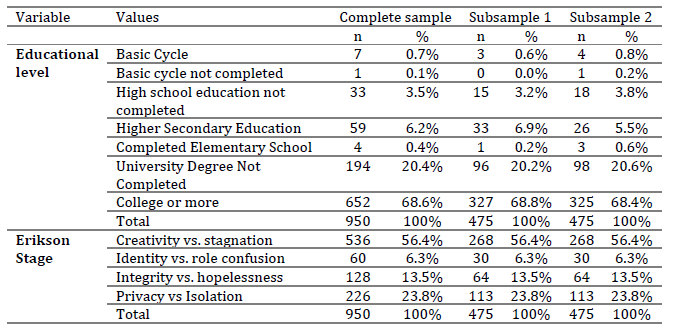
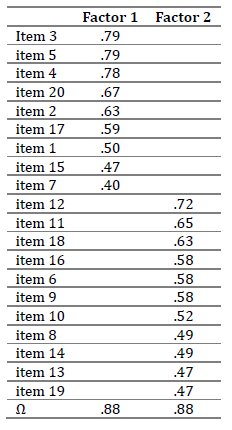
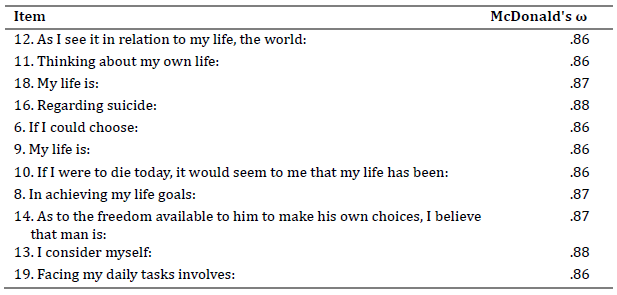
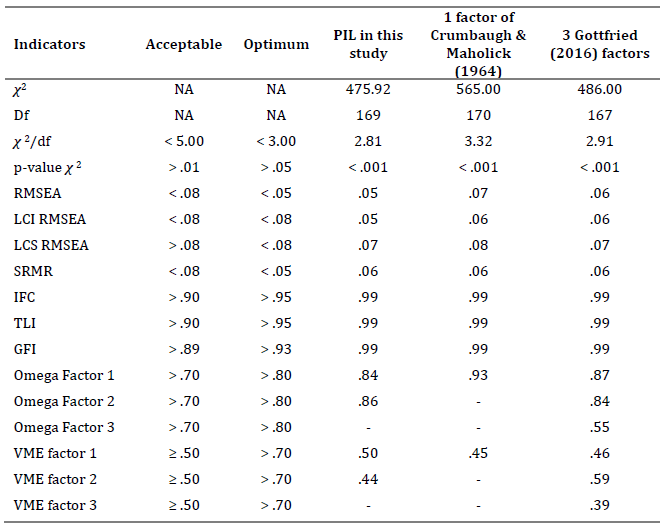
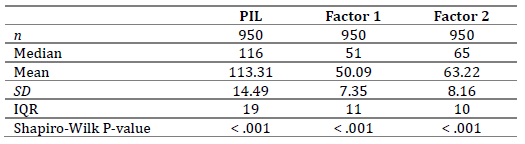
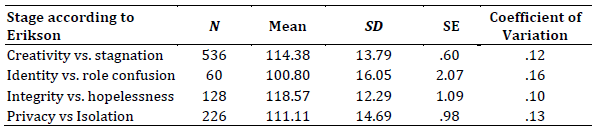
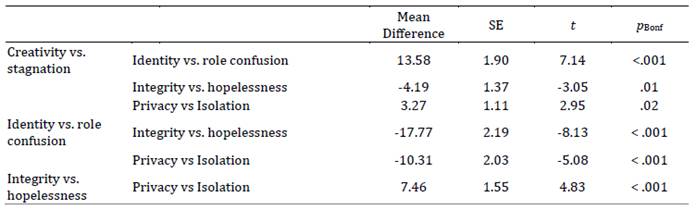
In scientific literature, the meaning of life is a psychological construct associated with variables of mental health and well-being in women throughout their life cycle. The Purpose in Life Test (PIL) is one of the most widely used globally. The aims of this study are: a) to examine the factorial structure and reliability of the PIL scale, and b) to characterize the meaning of life among women residing in Montevideo, taking into account differences according to Erikson's (1985) psychosocial normative crises. This study employed a psychometric and descriptive design with a sample of 950 women aged 18 to 82 years (M = 45.99; SD = 13.34). For the first objective, exploratory and confirmatory factor analyses identified two factors that explain 50 % of the variance with a reliability exceeding .80. For the second objective, we employed descriptive and inferential statistics, revealing that women's sense of life is at a medium level and significantly increases across different life stages. This scale is both valid and reliable for assessing women in the Uruguayan context.
Keywords:
meaning of life; psychometry; reliability; validity; woman