Vulnerability on the Streets: A study on the Use of Psychoactive Substances among Homeless Populations
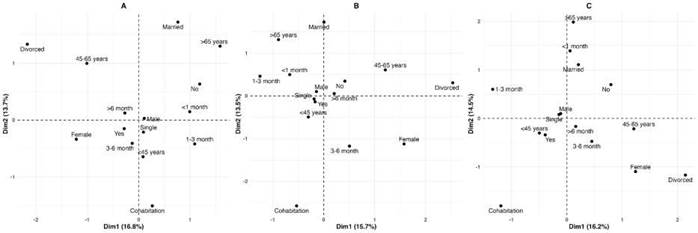
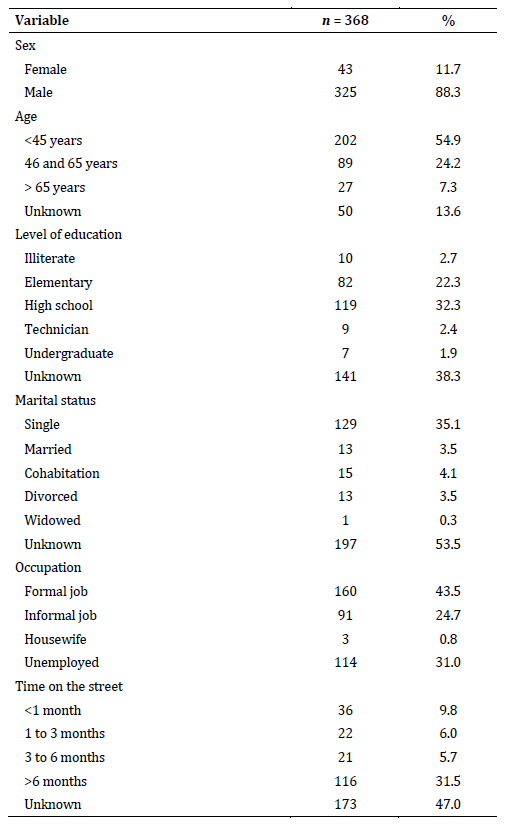
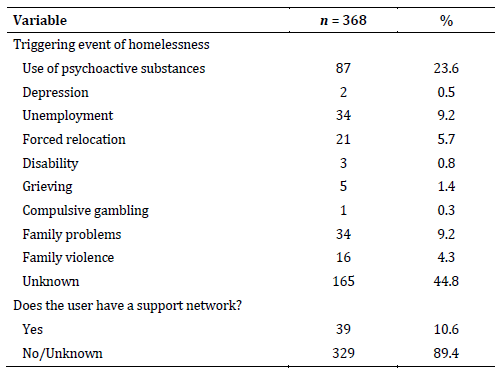
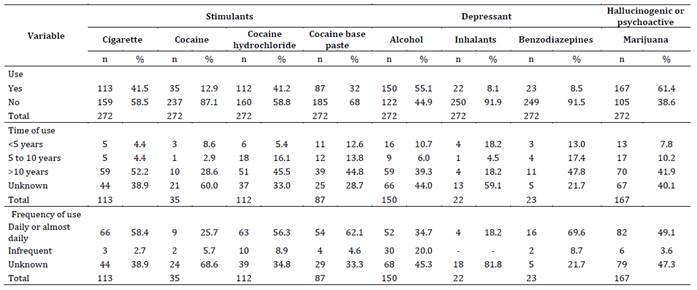
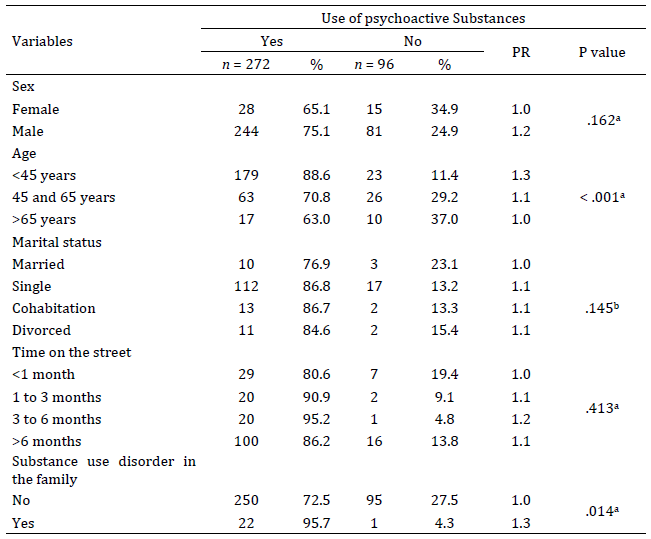
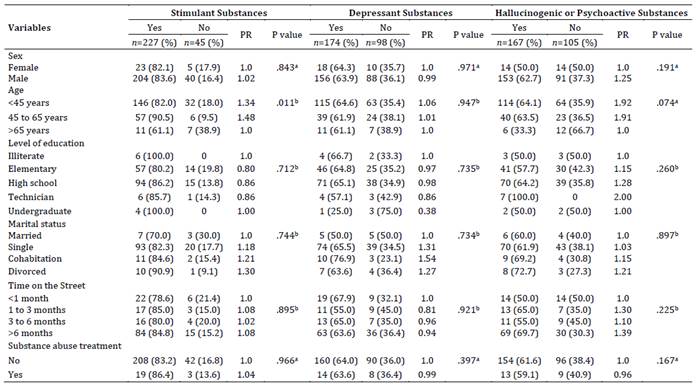
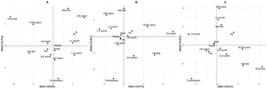
Introduction: The use of psychoactive substances in homeless individuals prolongs their time on the streets and increases the risk of acquiring chronic and infectious diseases. Objective: To identify substances use profiles in homeless individuals. Method: A cross-sectional study was conducted with 368 homeless individuals who attended the Centro Día Program in Itagüí, Antioquia, Colombia. Information related to psychoactive substance use was extracted from clinical records, with prior approval for its use. Profiles of stimulants, depressant, and hallucinogenic or psychoactive substance use affecting the Central Nervous System were created. Prevalence, prevalence ratios, and a multiple correspondence analysis were estimated. Results: A total of 88.3 % of participants were men, with an average age of 41.1 years (SD = 14.8). The prevalence of substance use was identified as 73.9 %, with hallucinogenic or psychoactive (marijuana) and depressants (alcohol) being the most common. The profile analysis showed that single men who had been on the streets for more than 3 months were more likely to consume stimulant and depressant drugs. Conclusions: The persistence of psychoactive substance use, as well as inadequate addiction management, increases social vulnerability, which can exacerbate issues such as begging and criminal behavior.
Keywords:
homeless people; drug users; substance-related disorders; central nervous system stimulants; central nervous system depressants
 Thumbnail