Analysis of the assumptions of the psychosocial paradigm in Psychosocial Care Centers (CAPS) in the professional’s perspective
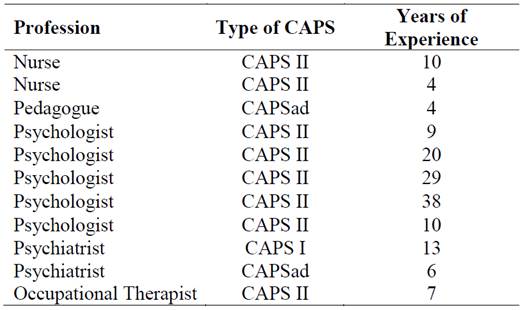
The psychosocial care model was built with the development of a new mental health policy structure. As purpose, there is the guarantee of human dignity and the right to citizenship through devices that replace the asylum model. The objective of this article is to analyze, from the perspective of professionals, what they consider to be assumptions in this model and how they are operationalized in the daily life of Psychosocial Care Centers (CAPS). It is a qualitative, transversal and exploratory study. It was done in Porto Alegre (Brazil) in 2019, with eleven professionals from different areas. Semi-directed interviews were conducted and for the analysis of data, thematic analysis was used. The results were organized into the most listed and elaborated assumptions by the participants: Autonomy, Territory, Citizenship, and Social Reinsertion. Different meanings attributed to the assumptions stand out, and their manifestations in care actions were consistent with the psychosocial paradigm.
Keywords:
mental health; public policy; psychosocial care model; human rights; Brazil