Experience of Loneliness, Well-Being, and Psychological Distress in Adults with ADHD: A Qualitative Study from the Life Cycle
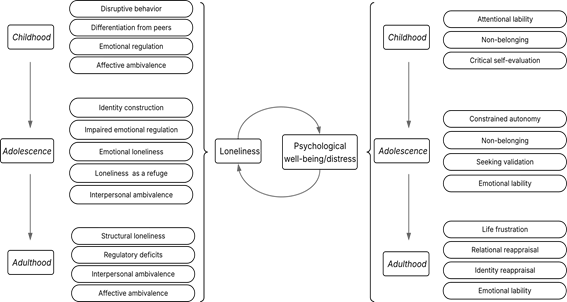
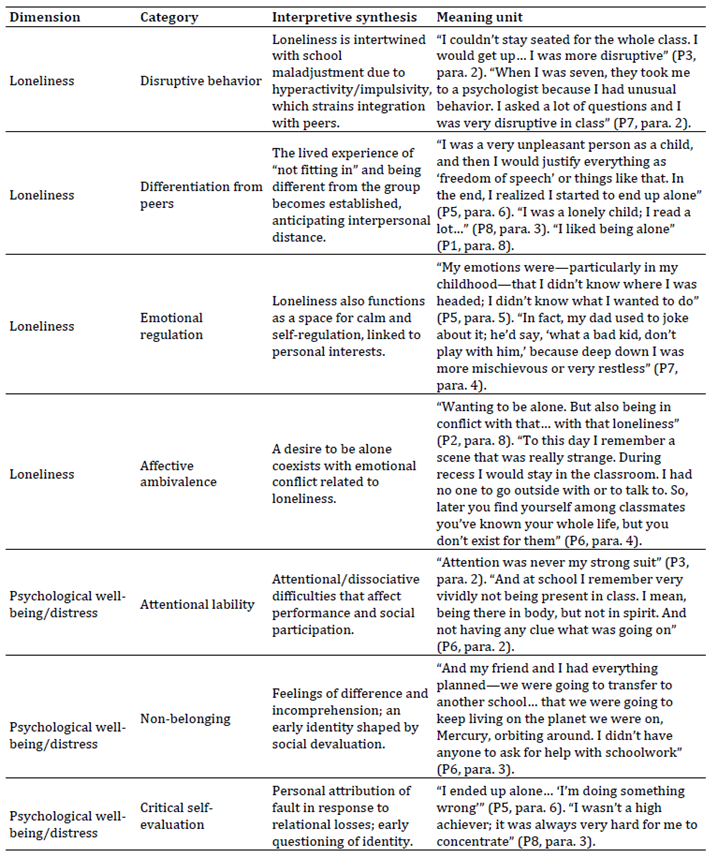
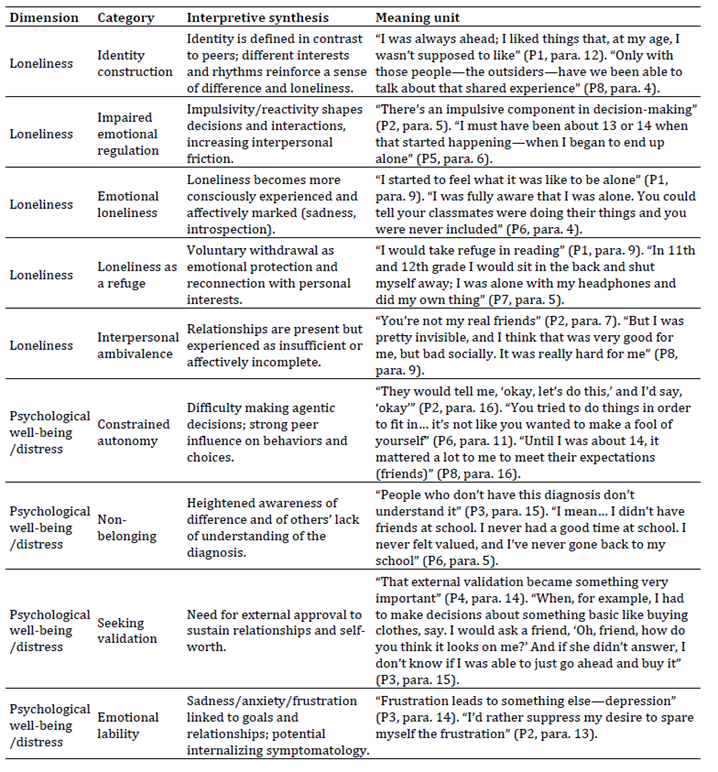
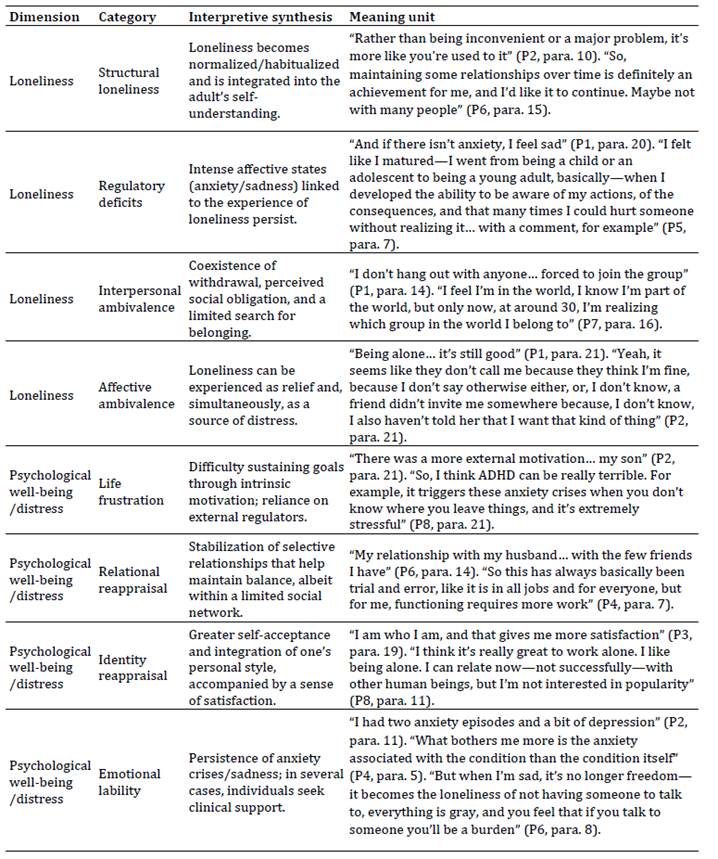
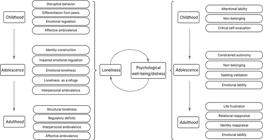
Current studies indicate that adults with Attention Deficit Hyperactivity Disorder (ADHD) are more vulnerable to interpersonal difficulties and experiences of loneliness, with a potential impact on their psychological well-being. However, in Chile, the evidence that allows for a deeper understanding of how loneliness is shaped and experienced throughout the life cycle in this population remains limited. This study aimed to explore the perception of loneliness and the lived experience of psychological well-being and distress among adults diagnosed with ADHD across different stages of their life cycle (childhood, adolescence, and adulthood). The research followed a qualitative approach with a phenomenological design. In-depth interviews were conducted and analyzed using open, axial, and selective coding. The findings reveal that maladaptive attachment styles, as described by the Dynamic-Maturational Model (DMM), configures impaired interpersonal trajectories that lead to a significant experience of loneliness, which manifests as sadness, anxiety, and feelings of frustration. It is concluded that loneliness constitutes a central dimension of psychological distress in this population group, opening new possibilities for clinical interventions.
Keywords:
ADHD; loneliness; psychological distress; attachment relationships; Dynamic-Maturational Model
 Thumbnail