Validation of a model of positive and negative personality traits as predictors of psychological well-being using machine learning algorithms
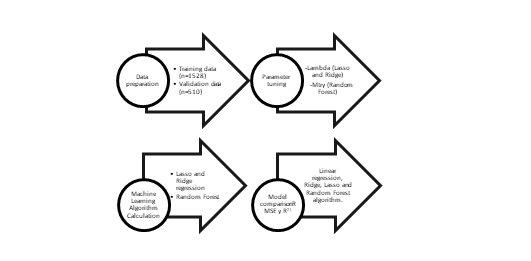
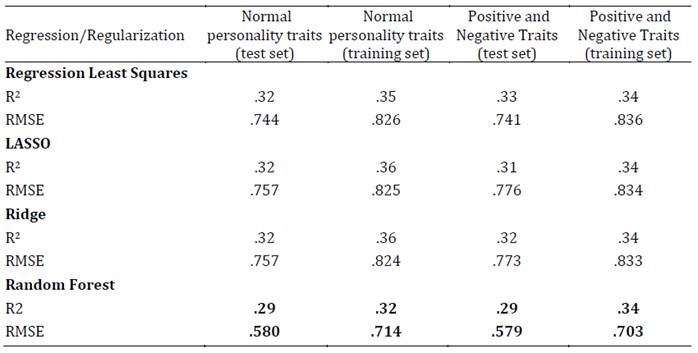
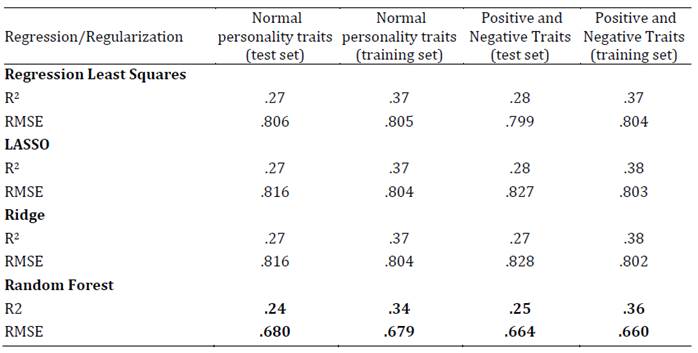
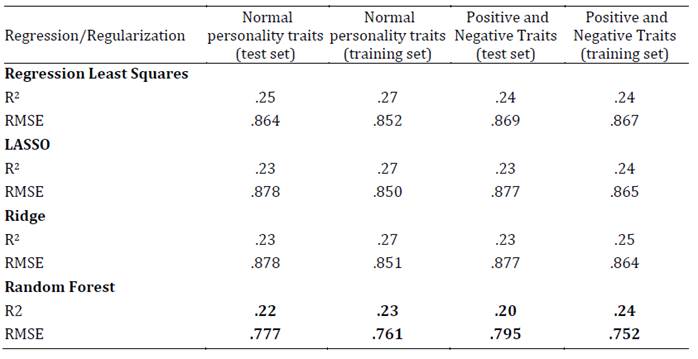
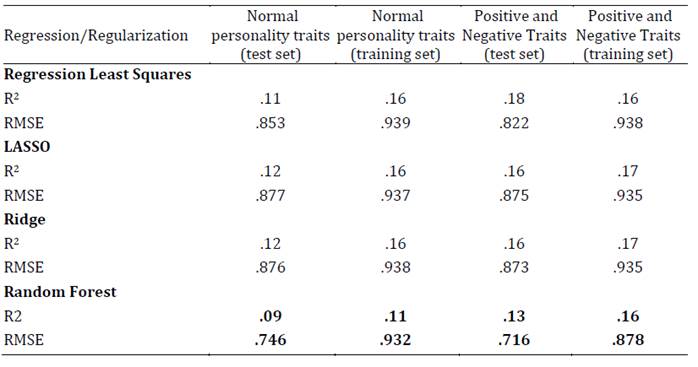
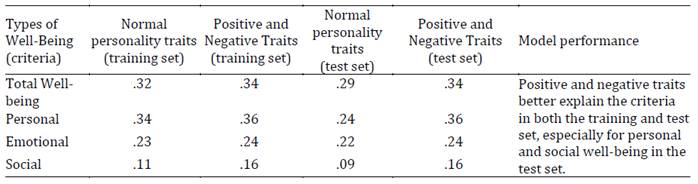
The objective of the study was to verify a predictive model of positive and negative personality traits taking psychological well-being as a criterion through the implementation of machine learning algorithms. 2038 adult subjects (51.9 % women) participated. For data collection were used: Big Five Inventory and Mental Health Continuum-Short Form. In addition, to assess the positive and negative personality traits, the already validated items of the positive (HFM) and negative trait models (BAM), were used jointly. Based on the findings found, it was possible to verify that the predictive efficacy of the tested model of positive and negative traits, derived from a lexical approach, was superior to the predictive capacity of normal personality traits for the prediction of well-being.
Keywords:
positive traits; negative traits; personality; psychological well-being; algorithms
 Thumbnail