Development, validation, and experimental evidence of a prosociality dictionary
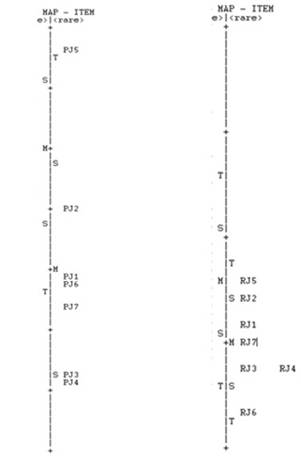
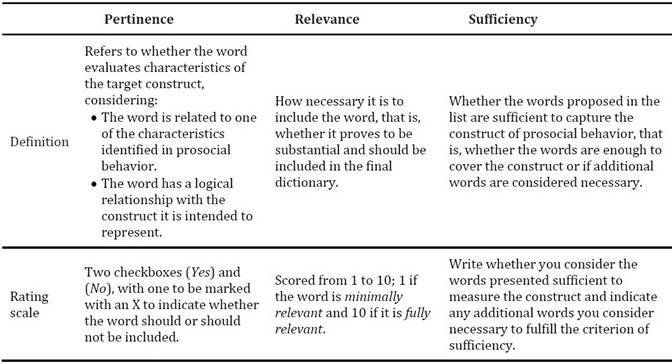
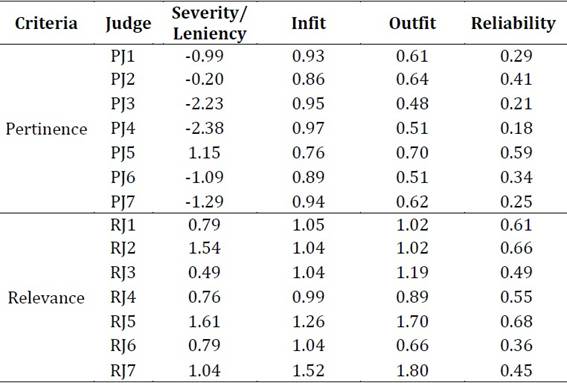
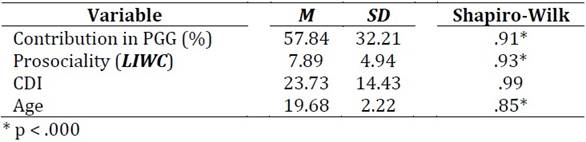
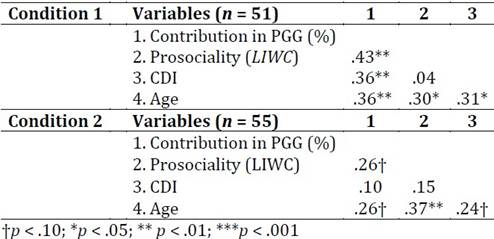
The availability of large textual datasets enables automated analysis of psychological constructs. To facilitate this, programs have been developed to categorize words and identify various aspects such as cognitive styles, linguistic features, and emotional content. This study consists of two parts that provide evidence of content and external validity for a dictionary designed to assess prosociality, which is compatible with LIWC software. Study 1 is based on a corpus of terms drawn from both natural and specialized sources, evaluated by seven judges, resulting in a definitive list. In Study 2, a public goods game was conducted in which 160 participants faced a dilemma between self-interest and collective well-being. Participants also described the strategies they used in the game and the emotions they experienced. These written responses were analyzed using the dictionary developed in Study 1. The results showed that prosociality, as measured by the dictionary, was positively associated with cooperative behavior in the game. Additionally, cognitive style II was found to predict prosocial behavior. Together, these studies demonstrate the dictionary's utility in evaluating prosociality through linguistic analysis and its potential for estimating this construct in various contexts.
Keywords:
public goods game; language analysis; LIWC; cooperation
 Thumbnail