The effects of computerized cognitive testing on the performance of children with and without Attention Deficit/Hyperactivity Disorder symptoms
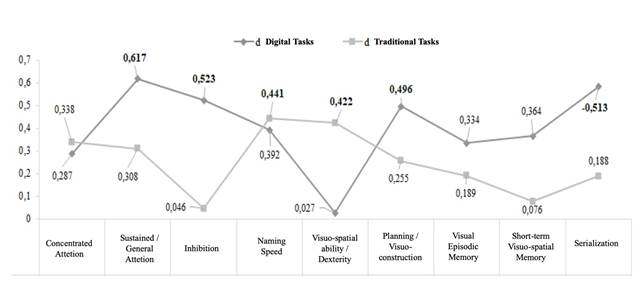
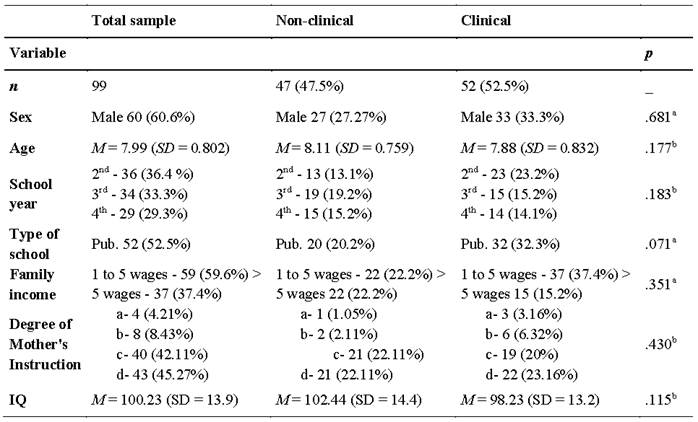
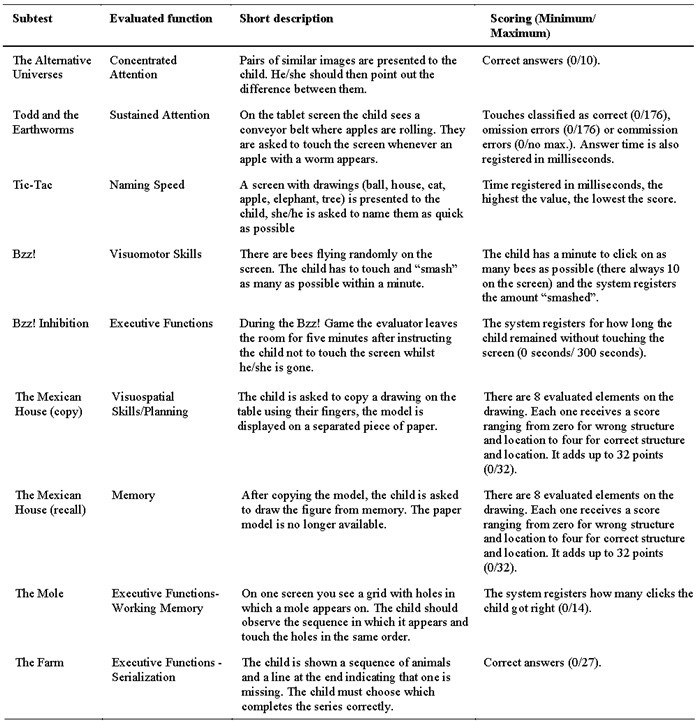
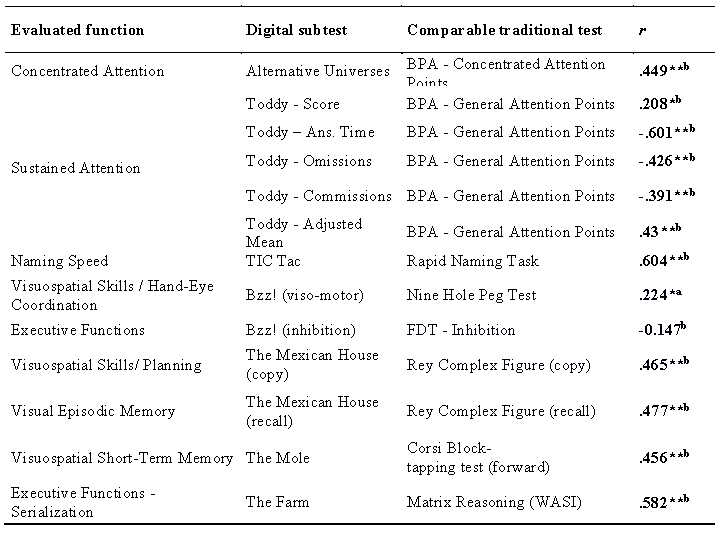
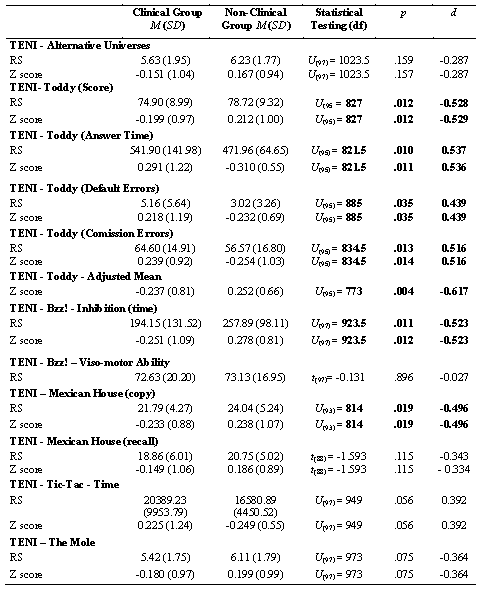
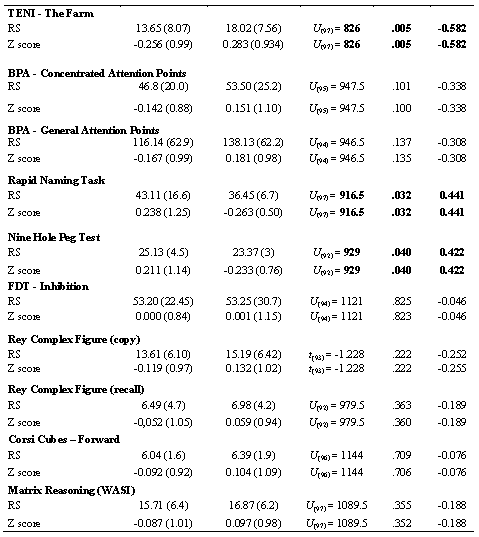
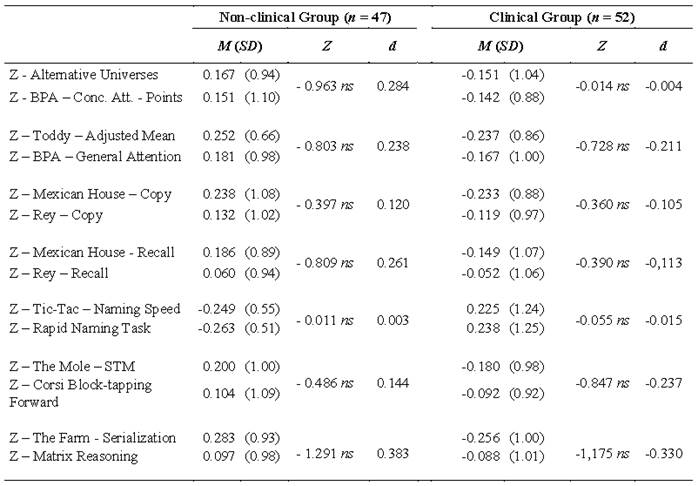
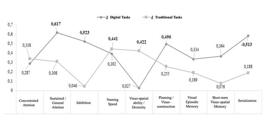
The objective was to assess the impact of a test digital format on evaluating cognitive functions of children with ADHD symptoms, along with the differential impacts in comparison to the typically developed groups. The sample consisted of 99 children aged 7 to 9 years (M = 7.99, SD = 0.802), being 52 on the clinical group. All participants were assessed with paired batteries of digital and traditional tests. There were significant differences between the evaluated groups on known-compromised constructs for children with ADHD (d= -0,027 to -0,617), the highest being on the digital tasks. However, there were no significant differences in performance when comparing the results within the groups according to their computer-based and paper-and-pencil measures scores. The results suggest that the digital format does not impair the evaluation of children with ADHD symptoms, does not generate significantly different impacts between the clinical and comparison groups. Limitations and possible implications of these results will be discussed.
Keywords:
cognitive evaluation; digital test; attention deficit hyperactivity disorder
 Thumbnail