Paranormal Beliefs and Understanding of Causality: Behavioral and Electrophysiological ERP N400 Response
Abstract:
Paranormal beliefs are a widespread phenomenon, associated with intuitive thinking and cognitive biases. This study investigated differences in the semantic processing of causality between believers and sceptics. University students completed the Paranormal Beliefs Scale (PBS) and performed a judgement task with 150 word pairs (causal, associative, unrelated), with their behavioural and electroencephalogram (EEG) responses recorded. The results showed that the high-belief group was less efficient (Inverse Efficiency Score) across all conditions and less accurate (hits) on associative pairs. However, the evoked potential analysis revealed no significant differences between groups in the amplitude of the N400 component. Nevertheless, when the PBS scale was treated as a continuous variable in the analysis, a significant negative correlation was found between the total PBS score and the N400 amplitude difference for the causal vs. unrelated contrast. The results partially explain differences in the processing of causality between paranormal believers and sceptics.
Keywords:
paranormal belief; N400 ERP; causality; cognitive style
Resumen:
Las creencias paranormales son un fenómeno distribuido, asociado con un pensamiento intuitivo y sesgos cognitivos. Este estudio investigó las diferencias en el procesamiento semántico de causalidad entre creyentes y escépticos. Estudiantes universitarios respondieron a la Escala de creencias paranormales (PBS) y realizaron una tarea de juicio con 150 pares de palabras (causales, asociativas, sin relación), registrando su respuesta conductual y de electroencefalograma (EEG). Los resultados mostraron que el grupo con alta creencia fue menos eficiente (puntaje de eficiencia inversa) en todas las condiciones y menos preciso (aciertos) ante pares asociativos. Sin embargo, el análisis de potenciales evocados no reveló diferencias significativas entre grupos en la amplitud del componente N400. No obstante, al considerar en el análisis a la escala PBS como una variable continua se encontró una correlación negativa y significativa entre el puntaje total de la PBS y el diferencial de amplitud N400 para el contraste causal vs. sin relación. Los resultados dan cuenta parcialmente de diferencias en el procesamiento de causalidad entre los creyentes paranormales y escépticos.
Palabras clave:
creencia paranormal; ERP N400; causalidad; estilo cognitivo
Resumo:
As crenças paranormais são um fenômeno amplamente distribuído, associado ao pensamento intuitivo e a vieses cognitivos. Este estudo investigou as diferenças no processamento semântico da causalidade entre crentes e céticos. Estudantes universitários responderam à Escala de Crenças Paranormais (PBS) e realizaram uma tarefa de julgamento com 150 pares de palavras (causais, associativas, sem relação), registrando sua resposta comportamental e de eletroencefalograma (EEG). Os resultados mostraram que o grupo com alta crença foi menos eficiente (Pontuação de Eficiência Inversa) em todas as condições e menos preciso (acertos) diante de pares associativos. No entanto, a análise de potenciais evocados não revelou diferenças significativas entre os grupos na amplitude do componente N400. Ainda assim, ao considerar a escala PBS como uma variável contínua na análise, foi encontrada uma correlação negativa e significativa entre a pontuação total da PBS e o diferencial de amplitude N400 para o contraste causal versus sem relação. Os resultados indicam parcialmente diferenças no processamento da causalidade entre crentes nos fenômenos paranormais e céticos.
Palavras-chave:
crença paranormal; ERP N400; causalidade; estilo cognitivo
Beliefs are a mental representation or a meaning that can be expressed in a statement, allowing one to adopt a mental stance regarding its validity (Schwitzgebel, 2006). Within this framework lie paranormal beliefs, understood as the epistemic acceptance of phenomena capable of violating scientific principles (Broad, 1953), including witchcraft, psi beliefs, spiritualism, extraordinary forms of life, superstition, precognition and traditional religious beliefs (Tobacyk & Milford, 1983). These beliefs are very common among the population; for example, 40 % of the world’s population believes in the power of witchcraft (Gershman, 2022). In Europe, a 2005 survey found that 27 % of UK citizens believed in the possibility of communicating mentally with deceased persons (Penberthy et al., 2023). Furthermore, 37 % of the US population believed in haunted houses (Blanco et al., 2015). Regarding the situation in Chile (Centre for Public Studies, 2018), a large percentage expressed belief in religious miracles (69 %), life after death (68 %), spiritual energies (54 %) and the evil eye (61 %). A more recent survey revealed that 40 % of young people identify with religious beliefs, including the figure of God, Jesus Christ, astrology, tarot, reincarnation, etc. (National Youth Institute, 2022). We are therefore discussing a phenomenon that, far from being an exception, is quite widespread among the global population.
Psychological research spanning more than four decades into paranormal beliefs has identified a series of differences in the cognitive processing of information, revealing a distinct cognitive style characteristic of this type of belief (Dean et al., 2022; Williams et al., 2021). Among the key findings, the existence of a more intuitive style of thinking and a reduced use of rational and critical thinking has been highlighted (Ballová Mikušková & Čavojová, 2020; Hergovich & Arendasy, 2005; Narmashiri et al., 2023a; Pennycook et al., 2012; Schofield et al., 2020); Similarly, several cognitive biases have been identified, including hasty conclusions, intentionalisation, catastrophising, emotional reasoning and dichotomous thinking (Williams et al., 2021), the conjunction fallacy (Rogers et al., 2016), anthropomorphism and dualism (Willard & Norenzayan, 2013).
Similarly, it has been found that people with paranormal beliefs experience difficulties in adequately understanding causality. Specifically, when two unrelated events frequently coincide, believers tend to interpret this ambiguous pattern as evidence of a causal relationship (Blanco et al., 2015; Matute et al., 2015). This marked tendency to produce causal illusions leads them to attribute random events in their lives to spurious causes. This bias is linked to the conjunction fallacy, in the sense that believers tend to think that contingent events possess a ‘reason for being’ that transcends mere coincidence (Rogers et al., 2016).
The difficulty in understanding causality has been studied among believers in the paranormal using a contingency paradigm based on the probability of certain events occurring. However, the research methodology used for several decades in cognitive psychology and neuroscience, based on the semantic processing of causality through the use of sentences, discourse or word pairs (Chen et al., 2015; Fenker et al., 2005; Liang et al., 2015; Xu et al., 2022), has not been applied to the study of paranormal beliefs. Hence, the present research assesses these difficulties in the processing of semantic causality among believers, through the use of word pairs, and by measuring their behavioural reflection, specifically in terms of response accuracy and latency. At the same time, the brain activity of believers in the paranormal is assessed while processing word pairs. It has been observed that believers in the paranormal tend to confuse categories of knowledge, a tendency evidenced by brain activity recorded via the N400 event-related potential (ERP) (Lindeman et al., 2008). This brain component is consistently linked to the perception of incongruent semantic information (Kutas & Hillyard, 1980). Specifically, the N400 manifests as a negative peak approximately 400 milliseconds after a semantic anomaly, such as unexpected or inappropriate words in a context (Kutas & Hillyard, 1980), or words that do not fit into an established category (Nigam et al., 1992), and particularly when assessing the causal link between words (Liang et al., 2015). In line with this, studies by Lindeman et al. (2008) demonstrated that, when evaluating sentences with ontological violations, believers in the paranormal exhibited greater negative N400 activity compared to non-believers, which is interpreted as an indication of greater processing difficulty. In line with this, the present study investigated whether this brain parameter differed in believers in the paranormal when determining causality in word pairs containing causal, non-causal or associative information.
Taking all these elements into account, the aim of this study was to explore differences in causality processing between believers and sceptics regarding the paranormal, using semantic stimuli-word pairs-that present congruent and incongruent information in causal terms. This was assessed using a behavioural record, measuring response accuracy and latency, and brain activity via the N400 brain response parameter.
The following research questions were posed: Will participants who believe in the paranormal and sceptics show differences in response accuracy and latency when presented with semantic causal stimuli? Is it possible to find differences in processing between believers in the paranormal and sceptics when presented with incongruent word pairs (of causality or association), reflected in the N400 component of the electroencephalogram (EEG)? The following hypotheses were formulated:
-
- Participants who believe in the paranormal, compared to sceptics, will show differences in response accuracy and latency in the word-pair tests
-
- Participants who believe in the paranormal, compared to sceptics, will show a greater N400 amplitude (i.e. greater negativity) in tests designed to determine causality using word pairs
-
- Participants who believe in the paranormal, compared to sceptics, will show significantly lower response efficiency in responses to determine causality using word pairs, particularly in their associative and non-associative modes.
Investigating the differences in cognitive processing linked to the perception of causality and cognitive biases-such as causal illusions-in paranormal beliefs enables us to gain a better understanding of the factors that hinder the development of critical and reflective thinking; this is particularly relevant in today’s global context, where there has been a rise in beliefs lacking a solid scientific basis, such as pseudoscientific beliefs, conspiracy theories and paranormal thinking itself.
Paranormal Beliefs and their Psychological Correlates
Paranormal cognitions are understood as mental representations (or beliefs) whose content contradicts the basic principles of causality and science in general, such that it is argued that the occurrence of the events to which they refer is ‘extraordinarily’ improbable or a fraud; consequently, they lack the necessary support of scientific evidence (Broad, 1953; Tobacyk & Milford, 1983). The notion of the paranormal implies a departure from scientific principles and the supposed existence of phenomena that violate the principles of nature (Broad, 1953; Tobacyk & Milford, 1983). Paranormal beliefs can be understood as non-religious fictional narratives about entities, mechanisms and practices that contradict established scientific knowledge (Van Prooijen, 2017). Therefore, paranormal beliefs are beliefs regarding the existence of these phenomena (Tobacyk et al., 1988). These beliefs can be classified into two broad groups according to their nature: the first is of a religious nature (reincarnation, the power of deities, the survival of the soul), and the second is of a supernatural nature (extrasensory perception, astrology, card reading, extraterrestrial life forms, belief in physical and mental abilities) (Córdova Becerra, 2016). Paranormal beliefs enable humans to explain and attribute a positive value to phenomena that apparently lie beyond the parameters of science (Krippner, 1992). Similarly, believers may use these beliefs to cope with anxiety about death or uncertainty (Branković, 2019; Lange et al., 2000; Rogers et al., 2006). Consequently, paranormal beliefs serve to satisfy psychological needs related to personality traits in specific situations (Chauvin & Mullet, 2021).
Currently, these beliefs, along with conspiracy theories and pseudoscience, are considered epistemically suspect beliefs (ESBs), reflecting a characteristic shared by these beliefs: a lack of epistemic foundation (Alper et al., 2024; Lobato & Holbrook, 2024). The integration of ESB and cognitive processing reveals that the acceptance of disinformation and pseudoscience are not isolated errors, but rather depend on specific psychological mechanisms and a particular epistemic orientation (Lobato et al., 2014). For example, there is a robust positive correlation between an intuitive cognitive style and the acceptance of ESBs, whilst analytical thinking acts as a protective factor, enabling individuals to reflect and override initial irrational intuitions (Lobato et al., 2014; Pennycook et al., 2012). When studying ESBs as a generic construct, it has been found that paranormal beliefs share cognitive foundations with conspiracy theories and pseudoscience, such as ontological confusions (Lobato et al., 2014). Similarly, the involvement of semantic and associative mechanisms has been demonstrated, given that those who hold these beliefs show expanded activation in semantic memory (Huete-Pérez et al., 2025; Martínez et al., 2024). The latter, the subject of this research, has direct implications for the formation of and access to the semantic mnemonic representations of causality held by believers in the paranormal.
In the field of empirical research into paranormal beliefs, Tobacyk and Milford (1983) developed a scale that has been widely used in research in this field over the years, meeting the psychometric and methodological standards required for scientific research. The Paranormal Beliefs Scale (PBS) (Tobacyk, 2004) comprises seven factors: Traditional Religious Beliefs (TRB), Psi Beliefs (PS), Witchcraft (WC), Superstition (ST), Spiritualism (SL), Extraordinary Life Forms (ELF) and Precognition (PC).
Several studies on paranormal beliefs have reported a preference for intuitive thinking (Pennycook et al., 2020) and a decline in rational and critical thinking (Aarnio & Lindeman, 2005; Ballová, Mikušková, & Čavojová, 2020; Hergovich & Arendasy, 2005; Narmashiri et al., 2023a). Svedholm & Lindeman (2013) investigated the functions of intuitive and analytical thinking dispositions. The results showed that an analytical style was associated with lower levels of belief in paranormal phenomena, and they found that paranormal beliefs were positively related to an intuitive thinking disposition. Several studies support these findings (Pennycook et al., 2012; Rogers et al., 2018). It is generally predicted that, if one thinks more analytically, individual belief in such events weakens (Epstein, 2010). According to Pennycook et al. (2012), analytical individuals are more likely to scrutinise supernatural ideas, identifying their counterintuitive elements, and are therefore less likely to adhere to them. The more analytically rational they are, the less likely they are to believe in supernatural events, which could be a cognitive psychological explanation for religion in relation to paranormal events (Rogers et al., 2018).
One of the objectives of the Cognitive Science of Religion is to explain the cognitive processes underlying religious beliefs (Apud & Czachesz, 2019) and related beliefs, such as paranormal and supernatural beliefs. The cognitive nature of these beliefs relates to the idea that they involve an ontological transgression of fundamental categories of knowledge (Gallyamova et al., 2024; Lindeman & Aarnio, 2006; Lindeman et al., 2015). The physical, biological and psychological domains are understood as essential domains of information processing in the human mind. Entities (objects) within these categories have specific essential core attributes. For example, the physical category implies the existence of objects which, when touched, affect the movement of others (Lindeman et al., 2008). In paranormal beliefs, these boundaries are transgressed, for example, when it is believed that a physical body can pass through a wall.
Another line of research has identified the presence of cognitive biases in paranormal beliefs. One version of cognitive theory posits that believers project human mental states onto supernatural agents (Guthrie, 1996), leading to a first bias: anthropomorphism. This is defined as the tendency to attribute human properties (psychological, social or normative) to non-human beings or to the paranormal (Willard & Norenzayan, 2013). A second bias identified is dualism, based on the separation of mind and body, where minds are considered a non-physical substance that does not depend on bodies, ‘which opens up the possibility that minds can exist without bodies’ (Willard & Norenzayan, 2013, pp. 381-382) and, consequently, increases the likelihood of believing in supernatural phenomena (Bloom, 2007). Furthermore, other cognitive biases have been linked to these beliefs, such as jumping to conclusions, intentionalisation, catastrophising, emotional reasoning and dichotomous thinking (Irwin et al., 2012; Williams et al., 2021), which demonstrates that there is a wide range of differences identified in cognitive processing.
Research into the understanding of causality among believers in the paranormal indicates that this group is more prone to developing causal illusions, that is, perceiving a relationship between events that are not actually connected. These illusions are considered the basis of superstitious thinking and pseudoscience, and can have negative consequences in critical areas such as health or finance (Blanco et al., 2015; Matute et al., 2015). In laboratory settings, contingency learning tasks have shown that believers possess a particular sensitivity to detecting coincidences (Bressan, 2002) and tend to interpret ambiguous patterns as evidence of a causal relationship (Blanco et al., 2015). This tendency is linked to the conjunction fallacy, leading individuals to attribute random events to supernatural causes (Rogers et al., 2016), a bias that has also been tested through exposure to ambiguous perceptual stimuli. However, other forms of research, such as research into semantic causality, have not been conducted with populations who believe in the paranormal.
In cognitive psychology, the study of how relationships between two causally related events are stored and accessed in semantic memory has advanced significantly through the use of word-pair paradigms, which allow the isolation of relational recognition processes from simple lexical associations (Fenker et al., 2005). This has provided valuable evidence regarding cognitive functioning. For example, unlike general associative relationships (such as ‘ring-ruby’), causal relationships (such as ‘spark-fire’) possess an intrinsic asymmetrical nature: causes temporally precede and generate effects (Fenker et al., 2005; Liang et al., 2015). In another finding, empirical research has demonstrated a causal congruence effect, whereby participants retrieve and process information significantly faster when pairs are presented in a predictive order (cause-effect) than in a diagnostic order (effect-cause) (Fenker et al., 2005; Liang et al., 2015).
From the perspective of semantic processing, a prerequisite for causal understanding is the process of role mapping (identifying who is the cause and who is the effect) (Chen et al., 2015). In general, semantic processing, information can be automatically activated by resonance, whereby related concepts are made available without considering their logical relevance to the situation (Wolfe et al., 2005). It is suggested that a stronger belief in the paranormal may be associated with a tendency to interpret this associative resonance (that two things simply feel related) as a structured causal relationship, failing in the process of ‘role binding’ that would distinguish an accidental association from a real cause (Chen et al., 2015; Wolfe et al., 2005). In people who believe in the paranormal, apart from the series of cognitive biases and predispositions already mentioned, various other general cognitive mechanisms of semantic processing may influence the processing of causality; such is the case with the cognitive mechanism of expanded activation in semantic memory (Huete-Pérez et al., 2025), which posits that semantic memory is organised into a network of interconnected nodes. When a concept is activated, the energy spreads, activating neighbouring nodes. In people with paranormal beliefs or ESBs, this activation spreads more rapidly and further to nodes that are loosely or weakly connected. This co-activation of distant nodes would lead the believer to perceive a causal relationship between concepts that do not actually have such a connection (e.g. ‘wind’ and ‘spirit’) (Huete-Pérez et al., 2025).
Paranormal Beliefs, Causality and EEG: N400
EEG techniques have been used in the study of paranormal beliefs (Lindeman et al., 2008; Narmashiri et al., 2023b; Narmashiri et al., 2025). Given that the recording of event-related potentials (ERPs) is an ideal method for studying processes linked to non-conscious language (Osterhout et al., 1997), and therefore for investigating automatic cognitive processing, which is central to the existence of cognitive biases.
The N400 is a component of the event-related potential (ERP) that has received extensive support and is consistently linked to semantic incongruence (Kutas & Hillyard, 1980). Discovered over four decades ago, the N400 has been used as a dependent variable in over 1,000 articles across various fields, including gesture processing, mathematical cognition and semantics (Kutas & Federmeier, 2011). This component is elicited as a negative peak approximately 400 milliseconds after a semantic anomaly, such as unexpected words (e.g., “He likes cream and sugar in his yoghurt”), or words that are inappropriate or difficult to understand in their context (Kutas & Hillyard, 1980). Subsequent research has supported this, demonstrating, for example, that the N400 appears in word-pairing tasks when one word does not fit the semantic category established by the others (Nigam et al., 1992).
Approaches exploring the neural correlates of paranormal beliefs have been limited. However, some studies have demonstrated differences in resting electrocortical activity when comparing believers and sceptics (Narmashiri et al., 2023b, 2025; Pizzagalli et al., 2000), in addition to research using ERP. In this vein, a study by Lindeman et al. (2008) explored semantic processing via the N400, comparing 10 believers with 10 sceptics (assessed according to Tobacyk, 2004). The aim was to test whether believers showed greater difficulty in processing sentences with ontological violations. The results indicated a similar N400 effect between groups for both normal and anomalous sentences; however, believers exhibited a more negative N400 effect than sceptics specifically in response to sentences containing ontological violations. The authors concluded that this suggests believers find it more difficult to construct a reasonable interpretation of sentences that violate central categories of knowledge (Lindeman et al., 2008).
Furthermore, there are several studies using the N400 that explore causality in semantic tests (Kuperberg et al., 2011; Liang et al., 2015; Paczynski & Kuperberg, 2012). For example, Liang et al. (2015) used the ERP procedure to examine representations of causal and associative judgements in semantic memory using word pairs. Participants were asked to remember a task cue (causal or associative) presented at the start of each trial, and to assess whether the relationship between the words presented (word pair) subsequently matched the initial task cue. The ERP data showed that an N400 component (250-450 ms) was more negative for unrelated words than for all related words. This finding, together with other evidence, has led to the conclusion that, in this context, the N400 component reflects the difficulty of semantic integration (Kuperberg et al., 2011). Words or word pairs that are causally inconsistent with the preceding context or with world knowledge elicit a larger N400 amplitude (Liang et al., 2015; Xu et al., 2022). This demonstrates that the brain uses world knowledge immediately and incrementally to validate the logic of the situation (Kuperberg et al., 2011; Xu et al., 2022).
Both the research by Lindeman et al. (2008) and that by Liang et al. (2015) provide a theoretical framework for the formulation of this study, in at least the following two respects: (1) there is N400 ERP evidence of differences in cognitive processing regarding paranormal beliefs, and (2) the use of semantic processing tests to assess causality in words or phrases that can be used with behavioural measures (response accuracy and latency) and EEG (N400 ERP). Consequently, this project aims, firstly, to assess, in a laboratory setting, differences in causal processing between believers in the paranormal and sceptics using adapted semantic tests (with corresponding pilot studies); and, secondly, using the word-pair test, to assess response accuracy and latency and N400 EEG activity.
Methodology
Participants
The sample consisted of 201 native Spanish speakers (mean age = 21.74 years, SD = 4.58, range = 18-66 years), of whom 132 were women (65.7 %) and 69 were men (34.3 %). 97 % of participants reported being university students, whilst the remainder stated they were unemployed.
The initial sample size was estimated using the G*Power programme. Considering an effect size d = 0.5, α = .05 and a power (1 - β) of 0.80, an adequate sample size of 102 participants was determined for the mean comparison and correlation analyses. The final sample recruited for the behavioural phase consisted of 201 participants. However, for the electrophysiological (EEG) phase, following the selection of groups by deciles and the pre-processing stage-during which 17 participants were excluded due to the critical presence of artefacts-the final sample comprised 20 participants (n = 10 per group). Due to this substantial reduction in n for the ERPs, a post-hoc sensitivity analysis (n = 20, α = .05, 1 - β = 0.80) was conducted for the 3x2 mixed ANOVA. This analysis indicated that the design is sensitive to detecting effect sizes of approximately f = 0.29. Consequently, it is recognised that the statistical power for the EEG phase is rather limited for identifying small effects.
Standardised Test, Experimental Task and Instruments
Paranormal Beliefs Scale (PBS). The PBS (Tobacyk, 2004) was used to assess individual beliefs in phenomena considered paranormal, understood as events that cannot be explained within the limits of current scientific laws and which, in many cases, are related to cultural or spiritual aspects. The scale comprises 24 items relating to seven dimensions: traditional religious beliefs, psi beliefs (telekinesis), witchcraft, superstition, spiritualism (communication with the dead), extraterrestrial life forms and precognition (foresight). The Cronbach’s alpha reliability coefficient for the scale in studies in Chile has been .79 (Cárdenas et al., 2013).
Experimental task. The 150 word pairs used were adapted into Spanish from the original task by Fenker et al. (2005) and Chen et al. (2015). The process involved a direct translation and a review by a native bilingual expert to ensure conceptual equivalence. To assess the reliability of the adaptation, internal consistency was calculated using Cronbach’s alpha. The overall task showed high internal consistency (α = .80). When analysing the subscales, the unrelated condition showed the highest reliability (α = .88), followed by the associative condition (α = .82) and the causal condition (α = .77). These values indicate that the items in Spanish are highly consistent and reliably measure the processing of semantic links across the three dimensions assessed.
In each trial, participants fixated on a fixation point for 1000 ms, followed by a question indicating whether the relationship between the pair of words to be displayed next was causal or associative; this question was presented for 1000 ms. The first word was then displayed for 450 ms, followed by a random blank interval of 600 to 800 ms, after which the second word appeared and remained on screen until the participant responded.
These word pairs were distributed across three experimental conditions as follows: 50 pairs with a causal semantic structure, 50 pairs with an associative semantic structure, and 50 pairs of words that have no relationship whatsoever (Table 1).
In order to assess differences in performance between believers in the paranormal and sceptics when presented with stimuli containing congruent and incongruent causal information, three types of tasks were designed, each presenting stimuli in different formats: word pairs (semantic), image sequences (pictorial) and sentences in audio format. The image sequence and audio sentence tasks were piloted during the study and are not included in the final analysis.
Both the main task and the pilot tasks were presented using the open-source software Psychopy (Peirce et al., 2022). Version 2023.1.1 was used in this study.
Electroencephalogram (EEG). Brain electrical activity was recorded continuously throughout the session using a SMARTING MOBI mobile amplification system (mBrainTrain LLC, Belgrade, Serbia). The signal was digitised with a resolution of 24 bits at a sampling rate of 500 Hz. A Greentek Gelfree-S3 semi-dry electrode cap was used for the recording, which operates with electrodes made of compressed cotton pads moistened with saline solution instead of conductive gel. The activity of the 24-channel electrodes, positioned according to the international 10-20 system, was recorded, along with a reference electrode (REF) as part of the 24 channels.
Procedures
Participants were invited to take part through various channels, primarily via email, social media and leaflets. The study consisted of two stages: the first was a single face-to-face session where the three designed tasks were presented, and the second was a remote task via an online form, which they completed after their participation, within a maximum of 3 days following the face-to-face session.
The face-to-face session took place in a room of approximately 9 m². A computer was used, comprising a 24-inch LED screen (60 Hz refresh rate), a keyboard and a wired mouse. Participants sat approximately 40 cm away.
Each of the three tasks-word pairs, image sequences and sentence pairs-was presented in a randomised order to minimise the order effect. Similarly, the stimuli within the tasks were presented in a randomised order to reduce predictability and prevent participants from becoming accustomed to a specific type of stimulus.
All participants read and signed an informed consent form before the study began; this protocol was approved by both the Ethics and Bioethics Committee of the Universidad Austral de Chile and the National Agency for Research and Development (ANID - Chile). All participants received a monetary compensation of 6,000 Chilean pesos (6 USD) following their participation.
Statistical Analysis
Statistical Analysis of Behavioural Data and Scale
For an initial analysis of behavioural performance, participants were divided into two extreme groups based on their scores on the Paranormal Beliefs Scale (PBS). A quartile grouping strategy was used, selecting those in the first quartile (Q1; Low Belief) and the fourth quartile (Q4; High Belief), with score thresholds below 44 and above 97, respectively.
The performance of these two groups was assessed using three main metrics: (1) response accuracy (proportion of correct responses), (2) reaction times (RTc) for correct responses, and (3) response efficiency, calculated using the Inverse Efficiency Score (IES), which combines speed and accuracy (IES = mean RT / proportion of correct responses). Performance comparisons between the high-belief and low-belief groups were conducted using the Mann-Whitney U test, the non-parametric analogue of the t-test for independent samples.
Additionally, an analysis based on Signal Detection Theory (SDT) (Stanislaw & Todorov, 1999) was implemented to distinguish between perceptual discrimination ability and response bias. Sensitivity indices (d’) and response criterion indices (c) were calculated for three contrasts: (1) causal vs. associative pairs, (2) causal vs. unrelated pairs, and (3) associative vs. unrelated pairs. All indices were calculated using log-linear correction to avoid outliers. Finally, Spearman’s correlation analyses were conducted to assess the relationship between the level of paranormal belief (PBS) as a continuous scale and the behavioural performance indices (d’ and c).
In a second analysis of behavioural performance, taking into account the hierarchical structure of the data (trials nested within participants), generalised linear mixed models (GLMMs) were used to analyse accuracy (binomial distribution, logit link function) and linear mixed models (LMMs) for reaction times (RTc) and the inverse efficiency score (IES). For RTc, a logarithmic transformation (log-RTc) was used to correct for the asymmetry of the distribution. In all models, the level of paranormal belief (total PBS score) and the type of stimulus were included as fixed effects, whilst the participant was included as a random intercept.
All analyses were performed using the statistical software RStudio version 2025.09.02 (Posit team, 2025).
EEG Data Pre-Processing
For the ERP analysis, a strict criterion was applied to compare the most dissimilar groups, initially selecting the extreme deciles of the PBS scale. However, 17 participants (9 from the high-belief group and 8 from the low-belief group) were excluded following pre-processing due to excessive EEG artefacts, which necessitated the selection of participants from subsequent deciles. The final sample consisted of a High Belief group (n = 10, PBS scores > 112) and a Low Belief group (n = 10, PBS scores < 57). The mean N400 amplitudes were analysed using a repeated-measures mixed ANOVA, with the within-subject factors of Condition (causal vs. associative vs. unrelated) and Electrode Location (Fz vs. Cz vs. Pz), and the between-subject factor of Belief Group (high vs. low). Greenhouse-Geisser corrections were used for violations of sphericity and the Bonferroni correction for post-hoc comparisons, reporting effect sizes (ηp²).
Additionally, to avoid loss of statistical variance, an analysis was conducted in which differential scores of the mean amplitude of the N400 (250-450 ms) were calculated by subtracting the experimental conditions from one another (causal vs. associative, causal vs. unrelated, and associative vs. unrelated) for the midline electrodes Fz, Cz and Pz, as well as for a global index resulting from the sum of these three channels. To assess the relationship between these brain responses and the level of belief, Spearman’s correlations (rho) were performed using the total score on the PBS scale as a continuous variable, providing a more sensitive measure of the link between cognitive style and the semantic processing of causality.
Results
Behavioural Performance
Response Accuracy (Correct Responses)
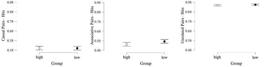
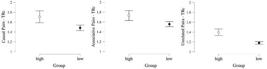
Analysis of overall accuracy, considering all stimulus types together, revealed no statistically significant differences between the high- and low-belief groups (U = 2.89 × 10⁷, p = .13, r rb = -.02). This result indicates that, in general, the level of correct responses did not differ between the two groups. However, when examining accuracy for each type of stimulus separately, specific differences emerged. It was found that the high paranormal belief group showed significantly lower accuracy compared to the low belief group in the associative stimulus condition (U = 3.15 × 10⁶, p = .03, r rb = -.03). Conversely, no significant differences were found for causal-type stimuli (U = 3.25 × 10⁶, p = .97) or for unrelated stimuli (U = 3.23 × 10⁶, p = .39), indicating similar performance between the two groups in these two conditions. F1
Analysis of Reaction Times for Correct Responses (TRc)
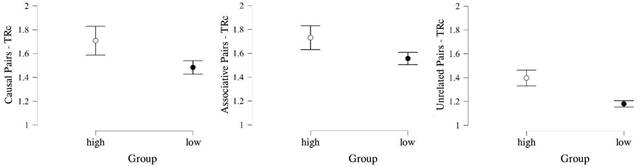
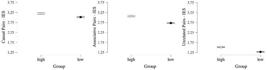
A preliminary analysis of reaction times for overall correct responses showed no statistically significant differences between the groups (U = 2.97 × 10⁷, p = .12, r rb = .01). Upon examining reaction times for correct responses across the three conditions, it was observed that the only significant difference between the high and low paranormal belief groups emerged in the unrelated stimulus condition. In this condition, the high-belief group was significantly slower (U = 3.17 × 10⁶, p = .001, r rb= .07), indicating a selectively longer response latency for this type of stimulus. In contrast, no significant differences were found in reaction times for correct responses in the causal condition (U= 8.00 × 10⁵, p = .37) or in the associative condition (U = 1.02 × 10⁶, p = .68).F2
Analysis of Response Efficiency (IES score)
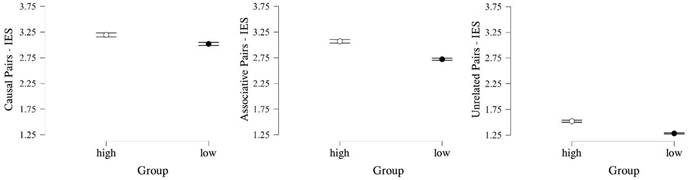
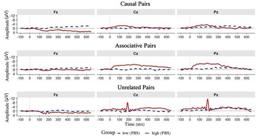
Analysis of the overall IES score revealed a highly significant difference between the groups. The group with high paranormal belief showed significantly lower performance (higher IES scores) compared with the group with low paranormal belief on the overall task (U = 3.14 × 10⁷, p = .001, r rb= .07). To better understand this effect, the IES scores were analysed separately for each type of stimulus, revealing statistically significant differences across all three conditions. The most pronounced difference in efficiency was observed in the unrelated condition, where the high-belief group showed significantly lower efficiency (U = 3.29 × 10⁷, p = .001, r rb = .12). Similarly, lower efficiency was found in the high-belief group in the associative condition (U = 3.19 × 10⁷, p = .001, r rb = .09). Finally, the difference was also significant in the causal condition, in which the high-belief group was less efficient (U = 2.99 × 10⁷, p = .01, r rb = .02).F3
Additional Analysis 1: Signal Detection (SDT)
Following the implementation of SDT analysis on the full sample, the results revealed no statistically significant correlations between the level of paranormal belief (total PBS score) and discrimination ability (d’) in any of the three contrasts evaluated (p > .05). Similarly, no significant relationship was identified between the PBS score and the response criterion (c) (p > .05).
Additional Analysis 2: Linear Models for Hits, TRc and IES
The GLMM model revealed significant main effects for stimulus type, with the associative condition as the reference; participants showed a lower probability of correct responses in the causal pairs (β = -0.30, SE = 0.03, z = -10.40, p < .001) and a significantly higher probability in unrelated pairs (β = 2.86, SE = 0.05, z = 53.20, p < .001). With regard to individual differences, no significant main effect of the level of paranormal belief (PBS) on overall accuracy was found (β = -0.04, SE = 0.03, z = -1.61, p= .108). Similarly, the interactions between belief level and stimulus type were not significant for either the causal condition (β = 0.04, p = .214) or the unrelated condition (β = -0.05, p = .351).
The effect of paranormal beliefs and stimulus type on reaction times was assessed using a Linear Mixed Model (LMM), employing the logarithm of reaction times (log-RT) to ensure the normality of the residuals. The model included a total of 20,322 observations nested within 201 participants. The variance associated with the participants’ random intercept was 0.09 (SD = 0.31). The results of the fixed effects revealed that, with associative pairs as the reference, participants were significantly faster with causal pairs (β = -0.05, SE = 0.01, t = -6.07, p < .001) and unrelated pairs (β = -0.21, SE = 0.01, t = -27.18, p < .001). Although no main effect of belief level was observed (PBS; t = 0.15, p = .881), a significant interaction was found between belief level and the unrelated condition (β = 0.03, SE = 0.01, t = 3.69, p< .001). This interaction indicates that an increase in paranormal beliefs predicts a specific slowdown in the processing of random or semantically unrelated stimuli. No significant interaction was observed between beliefs and the causal condition (t = -0.50, p = .614).
The LMM analysis for the IES score revealed a significant main effect of the semantic condition, β = 0.71, SE = 0.09, t = 8.12, p < .001. This result indicates significant differences in cognitive efficiency (IES scores) across semantic conditions. With regard to individual differences, no main effect of the level of paranormal belief was found (β = -0.05, t = -0.70, p = .487), nor was there a significant interaction between belief level and condition, β = 0.07, SE = 0.09, t = 0.85, p = .398. These findings indicate that, whilst paranormal beliefs affect response latency (TRc), the overall task efficiency-considering the trade-off between speed and accuracy-does not vary significantly as a function of the PBS scale score.
Electrophysiological Results
Analysis of the Mean Amplitude of the N400
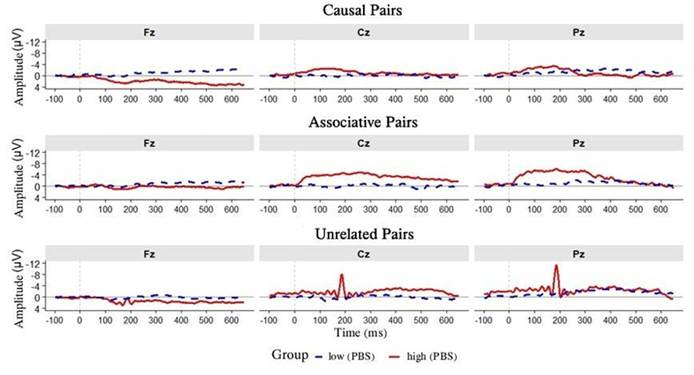
To analyse the mean amplitude of the N400 component in the 250-450 ms window, a mixed-design repeated-measures analysis of variance (ANOVA) was conducted, with stimulus condition (causal vs. associative vs. unrelated) as the within-subjects factor and belief group (high vs. low) as the between-subjects factor. The analysis revealed no significant main effect of condition, F(2, 36) = 1.32, p= .28, indicating that the amplitude of the N400 did not differ significantly between the three types of stimuli when the data from both groups were averaged. Nor was a significant main effect of group found, F(1, 18) = 1.67, p = .21, suggesting that the overall amplitude of the N400 was comparable between participants with high and low paranormal belief. Crucially, the interaction between stimulus types (conditions) and group was not statistically significant, F(2, 36) = 1.05, p = .36. This result indicates that the pattern of N400 activity across the three experimental conditions did not differ between groups.F4
Analysis of the Mean N400 Amplitude in Relation to PBS as a Continuous Variable
Unlike the preliminary analysis by groups, when treating the PBS scale as a continuous variable, a significant link between brain activity and paranormal beliefs was observed. A significant negative correlation was observed between the total PBS score and the N400 amplitude difference for the causal vs. unrelated contrast at the Cz electrode (rho = -0.452, p = .045). This effect was reinforced when analysing the global index of the sum of the three central channels, where a moderate-to-strong negative correlation (rho = -0.506, p = .023) was found for the same contrast. These results indicate that individuals with higher levels of paranormal belief exhibit differential modulation in semantic integration in the absence of clear causal links. No significant correlations were found for the associative condition differentials at the Pz electrode (p = .056), suggesting a central and frontal localisation of this cognitive processing.
Discussion
This study has examined how paranormal beliefs may impact the semantic processing of causality. The methodology of the present study has revealed some differences. Firstly, in terms of behavioural assessment, the findings regarding response accuracy showed no overall differences in performance between the high and low paranormal belief groups. However, it was found that the high paranormal belief group showed significantly lower accuracy, compared to the low belief group, in the condition of associative stimuli. It appears that these stimuli lent themselves to greater confusion and, consequently, posed a challenge to the discernment abilities of believers.
Various studies have shown that people who believe in the paranormal tend to employ an intuitive style of thinking; this leads them to make various errors of judgement because they tend to rely on first impressions (Bouvet & Bonnefon, 2015; Pennycook et al., 2014; Pennycook et al., 2015). Another possible explanation relates to deficits in inhibitory processing (Gernsbacher, 1990), which leads to greater difficulty in suppressing irrelevant semantic associations in words (Hsu & Novick, 2016; Liu et al., 2025), which may have acted as a distracting mental noise that undermined the accuracy of the test specifically in the face of these associative stimuli. There is a body of evidence regarding difficulties with inhibitory processing in believers in the paranormal, particularly in semantic processing and the suppression of intuition (Gianotti et al., 2001; Katsigianni, 2023; Narmashiri et al., 2023b). In both Go/No-Go tasks and brain activity assessments, a reduction in beta-band power has been observed during rest, compared to sceptics, a marker directly linked to deficient inhibitory control (Narmashiri et al., 2023a)
Consistent with this, the response efficiency analysis-which considers the cost associated with achieving that level of accuracy in a task-revealed a highly significant difference between the groups. The high paranormal belief group showed significantly lower efficiency (higher IES scores) compared to the low paranormal belief group in the overall task and when broken down by stimulus (unrelated condition, associative condition and causal condition). This would suggest cognitive processing facing greater obstacles when reaching a deliberation or decision. This less efficient cognitive processing is evident, for example, in the findings regarding response latency. The high-belief group was significantly slower than the low-belief group in the unrelated words condition. This interaction could indicate that an increase in paranormal beliefs predicts a specific slowing down in the processing of random or semantically unrelated stimuli. This highlights a selectively more laborious processing of this type of stimulus, which can lead to confusion due to the absence of a causal link. At this point, it is worth considering the marked tendency among believers to perceive patterns and causality where none exist (Riekki et al., 2013; Simmonds-Moore, 2014). It is as if, by default, there might be a tendency to perceive causality; in the case of unrelated stimuli or word pairs, however, because this absence of causality is more striking, extra time would be required to correct this tendency in order to provide a correct response. These performance differences have some precedents; for example, in visual identification tasks, a difference in performance has been observed between paranormal believers and sceptics in a joint visual search task. It was found that paranormal believers tend to search quickly, but also show carelessness in rejecting the presence of the target; according to the authors, this suggests possible differences in cognitive processing compared to sceptics (Akbari et al., 2024).
On the other hand, the brain activity data revealed some nuances. Firstly, the N400 response across the three experimental conditions was the same for both groups. In other words, no evidence was found that the belief group modulated the neurophysiological response to the different types of stimuli. In this respect, brain activity measured through this parameter does not indicate greater processing difficulty, contrary to what we had hypothesised. A plausible explanation may relate to the low salience of the incongruity in the stimuli presented; in the sense that an associative word or one unrelated to the preceding one does not necessarily constitute a stimulus sufficiently salient to translate into wave amplitudes pronounced enough to account for group differences. It is possible that the processing difficulty does not arise at an initial stage of semantic incongruence, as assessed by the N400, but rather at a later stage involving the retrieval of semantic information and decision-making. To this end, it may be relevant to assess the LPC (Late Positive Component), which evaluates these aspects (Yang et al., 2019).
However, when the PBS scale was treated as a continuous variable in the analysis, a significant link was observed between brain activity and paranormal beliefs. In particular, a significant negative correlation was found between the total PBS score and the N400 amplitude difference for the causal vs. unrelated contrast. This could indicate that greater paranormal belief is associated with a larger N400 response amplitude to word pairs without association compared to those with a causal relationship. This is linked to greater semantic processing effort for words that do not present a causal link, denoting greater difficulty for believers in identifying the random as corresponding-or not-to causal relationships. Individuals who hold ESBs beliefs, which include paranormal beliefs, exhibit a cognitive mechanism of expanded activation in semantic memory (Huete-Pérez et al., 2025). This implies a tendency to connect distant or weakly related concepts, allowing for the co-activation of nodes that are weakly related or which, objectively, have no conceptual connection (Huete-Pérez et al., 2025; Rodríguez-Ferreiro et al., 2020). Another possible characteristic relates to the loosening of thought associations, typical of the schizophrenia spectrum, which involves jumping incoherently between ideas (Huete-Pérez et al., 2025; Nestor et al., 2022). Within the framework of the psychosis continuum, it is posited that ESBs believers (non-clinical population) share this associative style to a lesser extent (Escolà-Gascón et al., 2020; Huete-Pérez et al., 2025). These aspects would facilitate the notion of causality and the perception of meaningful patterns in noise or random events (Blanco et al., 2015; Lobato et al., 2014).
This study had some limitations. Firstly, it might be advisable in future to differentiate the group of participants into believers or sceptics based on performance tests, rather than a questionnaire-based scale. Secondly, it was not possible to investigate brain markers using neuroimaging techniques during the semantic causality assessment task for either believers or sceptics. Future studies could provide valuable insights by addressing these limitations.
The general trend in the behavioural findings of this study is partially consistent with the hypothesis regarding the cognitive deficits of believers in the paranormal described by Irwin over 30 years ago (Irwin, 1993). It would appear more appropriate to include these beliefs within the broader framework of ESBs, in which case, rather than viewing paranormal beliefs simply as a flawed cognitive system or a lack of scientific knowledge, the ESBs framework allows them to be analysed as part of an integrated worldview or belief system that competes with scientific thought (Irwin, 2009), whilst at the same time sharing a cognitive profile with pseudoscientific and conspiracy beliefs. However, it remains an open challenge to discover a specific cognitive mechanism that can explain these differences in the semantic processing of causality in people holding such beliefs. Progressive advances in understanding the peculiarities of the cognitive processing style of such beliefs-whether paranormal, pseudoscientific or conspiratorial-contribute to overcoming the obstacles to the development of critical and reflective thinking.
References
-
Aarnio, K., & Lindeman, M. (2005). Paranormal beliefs, education, and thinking styles. Personality and Individual Differences, 39(7), 1227-1236. https://doi.org/10.1016/j.paid.2005.04.009
» https://doi.org/10.1016/j.paid.2005.04.009 -
Akbari, F., Asivandzadehchaharmahali, S., & Narmashiri, A. (2024). Paranormal believers are more quickly and less accurate in rejecting the presence of the target in conjunction visual search compared to skeptics. bioRxiv https://doi.org/10.1101/2024.04.25.590450
» https://doi.org/10.1101/2024.04.25.590450 -
Alper, S., Konukoglu, K., Atalay, E. D., Duzgun, A., & Yilmaz, O. (2024). How do beliefs in free will and determinism correlate with beliefs in conspiracy, paranormal, and pseudoscience beliefs? Personality and Individual Differences, 229, 112765. https://doi.org/10.1016/j.paid.2024.112765
» https://doi.org/10.1016/j.paid.2024.112765 -
Apud, I., & Czachesz, I. (2019). Creencias, rituales y memoria. Una introducción a la ciencia cognitiva de la religión. Psicología, Conocimiento y Sociedad, 9(1), 182-204. https://doi.org/10.26864/pcs.v9.n1.3
» https://doi.org/10.26864/pcs.v9.n1.3 -
Ballová Mikušková, E., & Čavojová, V. (2020). The effect of analytic cognitive style on credulity. Frontiers in Psychology, 11, 584424. https://doi.org/10.3389/fpsyg.2020.584424
» https://doi.org/10.3389/fpsyg.2020.584424 -
Blanco, F., Barberia, I., & Matute, H. (2015). Individuals who believe in the paranormal expose themselves to biased information and develop more causal illusions than nonbelievers in the laboratory. PloS ONE, 10(7), e0131378. https://doi.org/10.1371/journal.pone.0131378
» https://doi.org/10.1371/journal.pone.0131378 -
Bloom, P. (2007), Religion is natural. Developmental Science, 10, 147-151. https://doi.org/10.1111/j.1467-7687.2007.00577.x
» https://doi.org/10.1111/j.1467-7687.2007.00577.x -
Bouvet, R., & Bonnefon, J. F. (2015). Non-reflective thinkers are predisposed to attribute supernatural causation to uncanny experiences. Personality & Social Psychology Bulletin, 41(7), 955-961. https://doi.org/10.1177/0146167215585728
» https://doi.org/10.1177/0146167215585728 -
Branković, M. (2019). Who believes in ESP: Cognitive and motivational determinants of the belief in extra-sensory perception. Europe's Journal of Psychology, 15(1), 120-139. https://doi.org/10.5964/ejop.v15i1.1689
» https://doi.org/10.5964/ejop.v15i1.1689 -
Bressan, P. (2002). The connection between random sequences, everyday coincidences, and belief in the paranormal. Applied Cognitive Psychology, 16(1), 17-34. https://doi.org/10.1002/acp.754
» https://doi.org/10.1002/acp.754 -
Broad, C. D. (1953). The relevance of psychical research to philosophy. En J. Ludwig (Ed.), Philosophy and parapsychology (pp. 43-63). Prometheus. https://doi.org/10.1017/s0031819100007452
» https://doi.org/10.1017/s0031819100007452 -
Cárdenas, M., Gallardo, I., Adaos, R., & Bahamondes, J. (2013). Creencias paranormales en una muestra de estudiantes de psicología de universidades chilenas. Salud & Sociedad: Investigaciones en Psicología de la Salud y Psicología Social, 4(1), 10-23. http://www.redalyc.org/articulo.oa?id=439742471001
» http://www.redalyc.org/articulo.oa?id=439742471001 - Centro de Estudios Públicos. (2018). Encuesta Nacional de Opinión Pública N.° 82 Centro de Estudios Públicos. https://www.cepchile.cl/encuesta/estudio-nacional-de-opinion-publica-n82-octubre-noviembre-2018-tema-especial-religion-2/
- Córdova Becerra, J. F. (2016). Análisis de la escala mejorada de creencias paranormales mediante el modelo de Rasch (Tesis inédita de grado). Universidad de Murcia.
-
Chauvin, B., & Mullet, E. (2021). Individual differences in paranormal beliefs: The differential role of personality aspects. Current Psychology: A Journal for Diverse Perspectives on Diverse Psychological Issues, 40(3), 1218-1227. https://doi.org/10.1007/s12144-018-0047-9
» https://doi.org/10.1007/s12144-018-0047-9 -
Chen, Q., Liang, X., Lei, Y., & Li, H. (2015). Electrophysiological difference between the representations of causal judgment and associative judgment in semantic memory. Acta Psychologica, 157, 176-184. https://doi.org/10.1016 /j.actpsy.2015.02.017
» https://doi.org/10.1016 /j.actpsy.2015.02.017 -
Dean, C. E., Akhtar, S., Gale, T. M., Irvine, K., Grohmann, D., & Laws, K. R. (2022). Paranormal beliefs and cognitive function: A systematic review and assessment of study quality across four decades of research. PloS ONE, 17(5), e0267360. https://doi.org/10.1371/journal.pone.0267360
» https://doi.org/10.1371/journal.pone.0267360 -
Epstein, S. (2010). Demystifying intuition: What it is, what it does, and how it does it. Psychological Inquiry, 21(4), 295-312. https://doi.org/10.1080/1047840X.2010.523875
» https://doi.org/10.1080/1047840X.2010.523875 -
Escolà-Gascón, Á., Marín, F., Rusiñol, J., & Gallifa, J. (2020). Pseudoscientific beliefs and psychopathological risks increase after COVID-19 social quarantine. Globalization and Health, 16 (1), 72. https://doi.org/10.1186/s12992-020-00603-1
» https://doi.org/10.1186/s12992-020-00603-1 -
Fenker, D. B., Waldmann, M. R., & Holyoak, K. J. (2005). Accessing causal relations in semantic memory. Memory & Cognition, 33(6), 1036-1046. https://doi.org/10.3758/bf03193211
» https://doi.org/10.3758/bf03193211 -
Gallyamova, A., Komyaginskaya, E., & Grigoryev, D. (2024). Paranormal beliefs and core knowledge confusions: A meta-analysis. Personality and Individual Differences, 230, 112780. https://doi.org/10.1016 /j.paid.2024.112780
» https://doi.org/10.1016 /j.paid.2024.112780 - Gernsbacher, M. A. (1990). Language Comprehension as Structure Building Lawrence Erlbaum Associates.
-
Gershman, B. (2022). Witchcraft beliefs around the world: An exploratory analysis. PloS ONE, 17(11), e0276872. https://doi.org/10.1371/journal.pone.0276872
» https://doi.org/10.1371/journal.pone.0276872 -
Gianotti, L. R., Mohr, C., Pizzagalli, D., Lehmann, D., & Brugger, P. (2001). Associative processing and paranormal belief. Psychiatry and Clinical Neurosciences, 55(6), 595-603. https://doi.org/10.1046/j.1440-1819.2001.00911.x
» https://doi.org/10.1046/j.1440-1819.2001.00911.x - Guthrie, S. (1996). The sacred: A skeptical view. En T. Idinopulos & E. Yonan (Eds), The Sacred and Its Scholars (pp. 124-138). E. J. Brill.
-
Hergovich, A., & Arendasy, M. (2005). Critical thinking ability and belief in the paranormal. Personality and Individual Differences, 38(8), 1805-1812. https://doi.org/10.1016 /j.paid.2004.11.008
» https://doi.org/10.1016 /j.paid.2004.11.008 -
Hsu, N. S., & Novick, J. M. (2016). Dynamic engagement of cognitive control modulates recovery from misinterpretation during real-time language processing. Psychological Science, 27(4), 572-582. https://doi.org/10.1177/0956797615625223
» https://doi.org/10.1177/0956797615625223 -
Huete-Pérez, D., Davies, R., Rodríguez-Ferreiro, J., & Ferré, P. (2025). Individual differences in associative/semantic priming: Spreading of activation in semantic memory and epistemically unwarranted beliefs. PLoS ONE, 20(2), e0330531. https://doi.org/10.1371/journal.pone.0313239
» https://doi.org/10.1371/journal.pone.0313239 - Instituto Nacional de la Juventud. (2022). Décima Encuesta Nacional de la Juventud Gobierno de Chile.
- Irwin, H. J. (1993). Belief in the paranormal: A review of the empirical literature. Journal of the American Society for Psychical Research, 87(1), 1-39.
- Irwin, H. J. (2009). The psychology of paranormal belief: A researcher’s handbook. University of Hertfordshire Press.
- Irwin, H. J., Dagnall, N., & Drinkwater, K. (2012). Paranormal belief and biases in reasoning underlying the formation of delusions. Australian Journal of Parapsychology, 12(1), 7-21.
-
Katsigianni, S. (2023). Assessing the relationships between paranormal beliefs, higher-order cognitive processes, delusions, and hallucinations in a non-clinical population. Journal of European Psychology Students, 14(1), 1-12. https://doi.org/10.5334/jeps.569
» https://doi.org/10.5334/jeps.569 - Krippner, S. (1992). Parapsicología: Una perspectiva internacional. Revista Argentina de Psicologia Paranormal, 3, 44-52.
-
Kuperberg, G. R., Paczynski, M., & Ditman, T. (2011). Establishing causal coherence across sentences: an ERP study. Journal of Cognitive Neuroscience, 23(5), 1230-1246. https://doi.org/10.1162/jocn.2010.21452
» https://doi.org/10.1162/jocn.2010.21452 -
Kutas, M., & Federmeier, K. D. (2011). Thirty years and counting: finding meaning in the N400 component of the event-related brain potential (ERP). Annual Review of Psychology, 62, 621-647. https://doi.org/10.1146/annurev.psych.093008.131123
» https://doi.org/10.1146/annurev.psych.093008.131123 -
Kutas, M., & Hillyard, S. A. (1980). Reading senseless sentences: brain potentials reflect semantic incongruity. Science, 207(4427), 203-205. https://doi.org/10.1126/science.7350657
» https://doi.org/10.1126/science.7350657 -
Lange, R., Irwin, H. J., & Houran, J. (2000). Top-down purification of Tobacyk’s Revised Paranormal Belief Scale. Personality & Individual Differences, 29, 131-156. https://doi.org/10.1016/s0191-8869(99)00183-x
» https://doi.org/10.1016/s0191-8869(99)00183-x -
Liang, X., Chen, Q., Lei, Y., & Li, H. (2015). The processing of causal and hierarchical relations in semantic memory as revealed by N400 and frontal negativity. PloS ONE, 10(7), e0132679. https://doi.org/10.1371/journal.pone.0132679
» https://doi.org/10.1371/journal.pone.0132679 -
Lindeman, M., & Aarnio, K. (2006). Paranormal beliefs: Their dimensionality and correlates. European Journal of Personality, 20(7), 585-602. https://doi.org/10.1002/per.608
» https://doi.org/10.1002/per.608 -
Lindeman, M., Cederström, S., Simola, P., Simula, A., Ollikainen, S., & Riekki, T. (2008). Sentences with core knowledge violations increase the size of N400 among paranormal believers. Cortex: a Journal Devoted to the Study of the Nervous System and Behavior, 44(10), 1307-1315. https://doi.org/10.1016/j.cortex.2007.07.010
» https://doi.org/10.1016/j.cortex.2007.07.010 -
Lindeman, M., Svedholm-Häkkinen, A. M., & Lipsanen, J. O. (2015). Ontological confusions but not mentalizing abilities predict religious belief, paranormal belief, and belief in supernatural purpose. Cognition, 134, 63-76. https://doi.org/10.1016/j.cognition.2014.09.008
» https://doi.org/10.1016/j.cognition.2014.09.008 -
Liu, X., Hu, C., Zhang, R., Chen, J., & Xu, B. (2025). Improving Data Annotation for Low-Resource Relation Extraction with Logical Rule-Augmented Collaborative Language Models. Proceedings of the 2025 Conference of the Nations of the Americas Chapter of the Association for Computational Linguistics: Human Language Technologies (Volume 1: Long Papers), 1497-1510. https://doi.org/10.18653/v1/2025.naacl-long.70
» https://doi.org/10.18653/v1/2025.naacl-long.70 -
Lobato, E. J. C., & Holbrook, C. (2024). Prejudice is an epistemically unwarranted belief. Applied Cognitive Psychology, 38(3), e4216. https://doi.org/10.1002/acp.4216
» https://doi.org/10.1002/acp.4216 -
Lobato, E., Mendoza, J., Sims, V., & Chin, M. (2014). Examining the relationship between conspiracy theories, paranormal beliefs, and pseudoscience acceptance among a university population. Applied Cognitive Psychology, 28(5), 617-625. https://doi.org/10.1002/acp.3042
» https://doi.org/10.1002/acp.3042 -
Martínez, N., Barberia, I., & Rodríguez-Ferreiro, J. (2024). Proneness to false memory generation predicts pseudoscientific belief endorsement. Cognitive Research: Principles and Implications, 9, 39. https://doi.org/10.1186/s41235-024-00568-4
» https://doi.org/10.1186/s41235-024-00568-4 -
Matute, H., Blanco, F., Yarritu, I., Díaz-Lago, M., Vadillo, M. A., & Barberia, I. (2015). Illusions of causality: How they bias our everyday thinking and how they could be reduced. Frontiers in Psychology, 6, 888. https://doi.org/10.3389/fpsyg.2015.00888
» https://doi.org/10.3389/fpsyg.2015.00888 -
Narmashiri, A. , Hatami, J., Khosrowabadi, R., & Sohrabi, A. (2023a). The role of cognitive control in paranormal beliefs: A study based on performance in go/no-go task. Basic and Clinical Neuroscience, 14(3), 411-417. https://doi.org/10.32598/bcn.2021.923.3
» https://doi.org/10.32598/bcn.2021.923.3 -
Narmashiri, A., Hatami, J., Khosrowabadi, R., & Sohrabi, A. (2023b). Paranormal believers show reduced resting EEG beta band oscillations and inhibitory control than skeptics. Scientific Reports, 13(1), 3258. https://doi.org/10.1038/s41598-023-30457-7
» https://doi.org/10.1038/s41598-023-30457-7 -
Narmashiri, A. , Sharifi, K., Khosrowabadi, R., & Hatami, J. (2025). Altered fronto-parietal alpha synchronization and coherence in paranormal believers. NeuroImage: Reports, 5(2), 100257. https://doi.org/10.1016/j.ynirp.2025.100257
» https://doi.org/10.1016/j.ynirp.2025.100257 -
Nestor, P. G., Levitt, J. J., Ohtani, T., Newell, D. T., Shenton, M. E., & Niznikiewicz, M. (2022). Loosening of associations in chronic schizophrenia: Intersectionality of verbal learning, negative symptoms, and brain structure. Schizophrenia Bulletin Open, 3(1), sgac004. https://doi.org/10.1093/schizbullopen/sgac004
» https://doi.org/10.1093/schizbullopen/sgac004 -
Nigam, A., Hoffman, J. E., & Simons, R. F. (1992). N400 to semantically anomalous pictures and words. Journal of Cognitive Neuroscience, 4(1), 15-22. https://doi.org/10.116 2/jocn.1992.4.1.15
» https://doi.org/10.116 2/jocn.1992.4.1.15 -
Osterhout, L., McLaughlin, J., & Bersick, M. (1997). Event-related brain potentials and human language. Trends in Cognitive Sciences, 1(6), 203-209. https://doi.org/10.1016 /S1364-6613(97)01073-5
» https://doi.org/10.1016 /S1364-6613(97)01073-5 -
Paczynski, M., & Kuperberg, G. R. (2012). Multiple influences of semantic memory on sentence processing: Distinct effects of semantic relatedness on violations of real-world event/state knowledge and animacy selection restrictions. Journal of Memory and Language, 67(4), 426-448. https://doi.org/10.1016 /j.jml.2012.07.003
» https://doi.org/10.1016 /j.jml.2012.07.003 -
Peirce, J., Hirst, R., & MacAskill, M. (2022). Building Experiments in PsychoPy Sage Publications Ltd. https://doi.org/10.4135/9781036231378
» https://doi.org/10.4135/9781036231378 -
Penberthy, J. K., Pehlivanova, M., Kalelioglu, T., Roe, C. A., Cooper, C. E., Lorimer, D., & Elsaesser, E. (2023). Factors moderating the impact of after death communications on beliefs and spirituality. OMEGA - Journal of Death and Dying, 87(3), 884-901. https://doi.org/10.1177/00302228211029160
» https://doi.org/10.1177/00302228211029160 -
Pennycook, G., Cheyne, J. A., Barr, N., Koehler, D. J., & Fugelsang, J. A. (2014). Cognitive style and religiosity: The role of conflict detection. Memory & Cognition, 42, 1-10. https://doi.org/10.3758/s13421-013-0340-7
» https://doi.org/10.3758/s13421-013-0340-7 -
Pennycook, G., Cheyne, J. A., Koehler, D. J., & Fugelsang, J. A. (2020). On the belief that beliefs should change according to evidence: Implications for conspiratorial, moral, paranormal, political, religious, and science beliefs. Judgment and Decision Making, 15(4), 476-498. https://doi.org/10.31234/osf.io/a7k96
» https://doi.org/10.31234/osf.io/a7k96 -
Pennycook, G., Cheyne, J. A., Seli, P., Koehler, D. J., & Fugelsang, J. A. (2012). Analytic cognitive style predicts religious and paranormal belief. Cognition, 123(3), 335-346. https://doi.org/10.1016 /j.cognition.2012.03.003
» https://doi.org/10.1016 /j.cognition.2012.03.003 -
Pennycook, G., Fugelsang, J. A., & Koehler, D. J. (2015). What makes us think? A three-stage dual-process model of analytic engagement. Cognitive Psychology, 80, 34-72. https://doi.org/10.1016 /j.cogpsych.2015.05.001
» https://doi.org/10.1016 /j.cogpsych.2015.05.001 -
Pizzagalli, D., Lehmann, D., Gianotti, L., Koenig, T., Tanaka, H., Wackermann, J., & Brugger, P. (2000). Brain electric correlates of strong belief in paranormal phenomena: Intracerebral EEG source and regional Omega complexity analyses. Psychiatry Research: Neuroimaging, 100(3), 139-154. https://doi.org/10.1016 /S0925-4927(00)00070-6
» https://doi.org/10.1016 /S0925-4927(00)00070-6 -
Posit Team. (2025). RStudio: Integrated Development Environment for R Posit Software. http://www.posit.co/
» http://www.posit.co/ -
Riekki, T., Lindeman, M., Aleneff, M., Halme, A., & Nuortimo, A. (2013). Paranormal and religious believers are more prone to illusory face perception than skeptics and non‐believers. Applied Cognitive Psychology , 27(2), 150-155. https://doi.org/10.1002/acp.2874
» https://doi.org/10.1002/acp.2874 -
Rodríguez-Ferreiro, J., Aguilera, M., & Davies, R. (2020). Semantic priming and schizotypal personality: Reassessing the link between thought disorder and enhanced spreading of semantic activation. PeerJ, 8, e9511. https://doi.org/10.7717/peerj.9511
» https://doi.org/10.7717/peerj.9511 -
Rogers, P., Fisk, J. E., & Lowrie, E. (2016 ). Paranormal believers' susceptibility to confirmatory versus disconfirmatory conjunctions. Applied Cognitive Psychology , 30(4), 628-634. https://doi.org/10.1002/acp.3222
» https://doi.org/10.1002/acp.3222 -
Rogers, P., Fisk, J. E., & Lowrie, E. (2018). Paranormal belief, thinking style preference, and susceptibility to confirmatory conjunction errors. Consciousness and Cognition, 65, 182-196. https://doi.org/10.1016 /j.concog.2018.07.013
» https://doi.org/10.1016 /j.concog.2018.07.013 -
Rogers, P., Qualter, P., Phelps, G., & Gardner, K. (2006). Belief in the paranormal, coping and emotional intelligence. Personality and Individual Differences, 41(6), 1089-1105. https://doi.org/10.1016 /j.paid.2006.04.014
» https://doi.org/10.1016 /j.paid.2006.04.014 - Schofield, M., Baker, I., Staples, P., & Sheffield, D. (2020). Modelling supernatural belief: Cognition and personality. Journal of the Society for Psychical Research, 84(3), 129-156.
-
Schwitzgebel, E. (2006). Belief. En Stanford Encyclopedia of Philosophy https://plato.stanford.edu/entries/belief/
» https://plato.stanford.edu/entries/belief/ -
Simmonds-Moore, C. (2014). Exploring the perceptual biases associated with believing and disbelieving in paranormal phenomena. Consciousness and Cognition, 28, 30-46. https://doi.org/10.1016 /j.concog.2014.06.004
» https://doi.org/10.1016 /j.concog.2014.06.004 -
Stanislaw, H., & Todorov, N. (1999). Calculation of signal detection theory measures. Behavior Research Methods, Instruments, & Computers, 31(1), 137-149. https://doi.org/10.3758/BF03207704
» https://doi.org/10.3758/BF03207704 -
Svedholm, A., & Lindeman, M. (2013). The separate roles of the reflective mind and involuntary inhibitory control in gatekeeping paranormal beliefs and the underlying intuitive confusions. British Journal of Psychology, 104(3), 303-319. https://doi.org/10.1111/j.2044-8295.2012.02118.x
» https://doi.org/10.1111/j.2044-8295.2012.02118.x -
Tobacyk, J. (2004). A Revised Paranormal Belief Scale. International Journal of Transpersonal Studies, 23(1), 94-98. https://doi.org/10.24972/ijts.2004.23.1.94
» https://doi.org/10.24972/ijts.2004.23.1.94 -
Tobacyk, J., & Milford, G. (1983). Belief in paranormal phenomena: Assessment instrument development and implications for personality functioning. Journal of Personality and Social Psychology, 44(5), 1029-1037. https://doi.org/10.1037/0022-3514.44.5.1029
» https://doi.org/10.1037/0022-3514.44.5.1029 -
Tobacyk, J., Nagot, E., & Miller, M. (1988). Paranormal beliefs and locus of control: A multidimensional examination. Journal of Personality Assessment, 52(2), 241-246. https://doi.org/10.1207/s15327752jpa5202_5
» https://doi.org/10.1207/s15327752jpa5202_5 -
Van Prooijen, J. W. (2017). Why education predicts decreased belief in conspiracy theories. Applied Cognitive Psychology , 31, 50-58. https://doi.org/10.1002/acp.3301
» https://doi.org/10.1002/acp.3301 -
Willard, A. K., & Norenzayan, A. (2013). Cognitive biases explain religious belief, paranormal belief, and belief in life's purpose. Cognition, 129(2), 379-391. https://doi.org/10.1016 /j.cognition.2013.07.016
» https://doi.org/10.1016 /j.cognition.2013.07.016 -
Williams, C., Denovan, A., Drinkwater, K., & Dagnall, N. (2021). Thinking style and paranormal belief: The role of cognitive biases. Imagination, Cognition and Personality, 41(3), 274-298. https://doi.org/10.1177/02762366211036435
» https://doi.org/10.1177/02762366211036435 -
Wolfe, M. B. W., Magliano, J. P., & Larsen, B. (2005). Causal and semantic relatedness in discourse understanding and representation. Discourse Processes, 39(2-3), 165-187. https://doi.org/10.1080/016 3853X.2005.96516 79
» https://doi.org/10.1080/016 3853X.2005.96516 79 -
Xu, X., Yu, H., Gao, X., Shen, B., Feng, W., & Zhou, X. (2022). Understanding an implicated causality: The brain network for processing concessive relations. Brain and Language, 234, 105177. https://doi.org/10.1016 /j.bandl.2022.105177
» https://doi.org/10.1016 /j.bandl.2022.105177 -
Yang, H., Laforge, G., Stojanoski, B., Nichols, E. S., McRae, K., & Köhler, S. (2019). Late positive complex in event-related potentials tracks memory signals when they are decision relevant. Scientific Reports, 9(1), 9469. https://doi.org/10.1038/s41598-019-45880-y
» https://doi.org/10.1038/s41598-019-45880-y

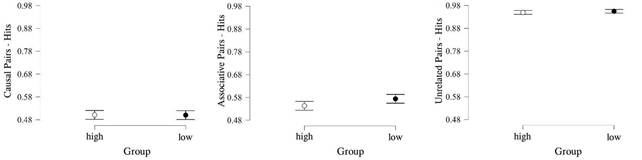 Figure 1: