Preliminary Evidence of Validity of the Persistent Depressive Disorder Scale (PDD) in Peruvian University Students
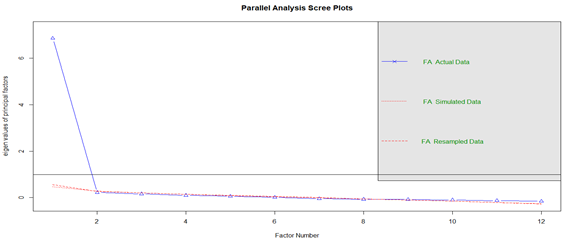
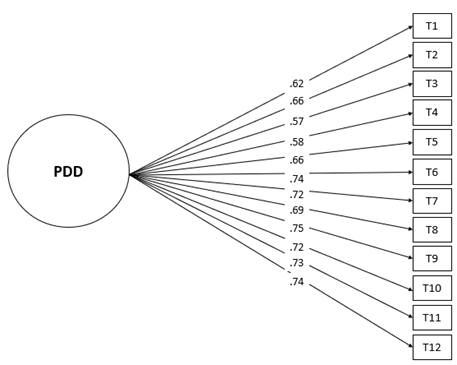
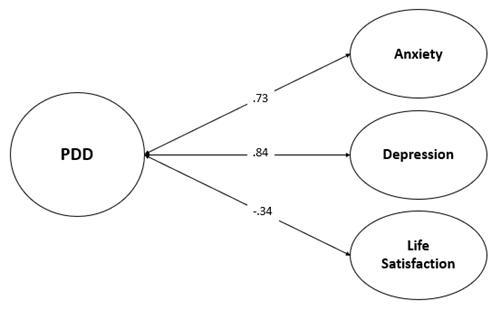
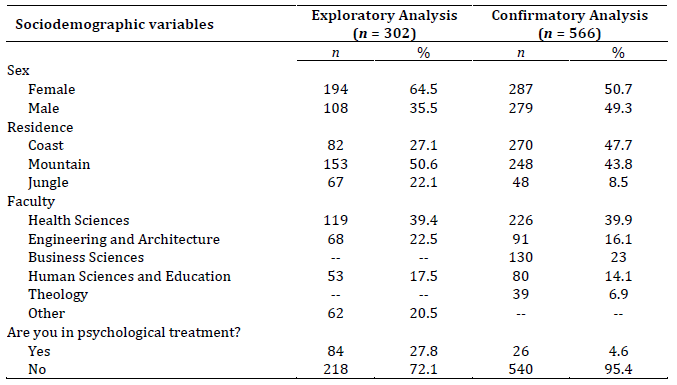
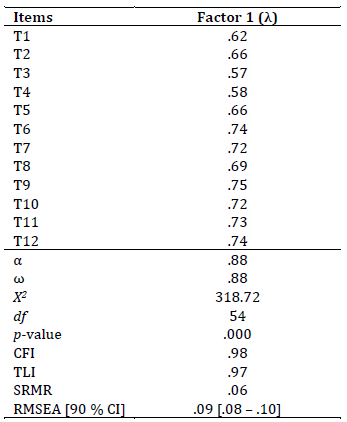
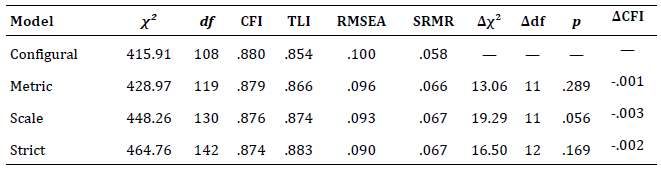
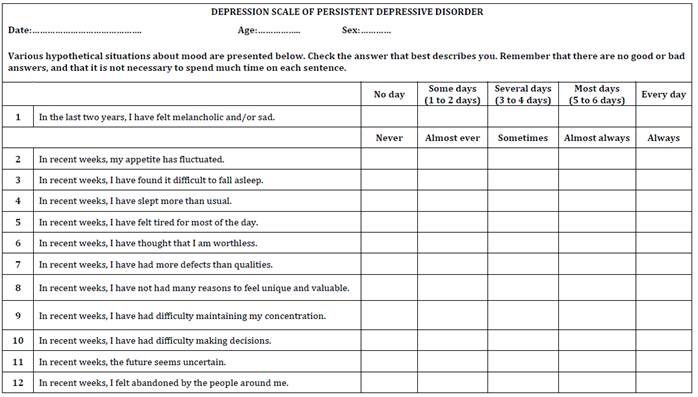
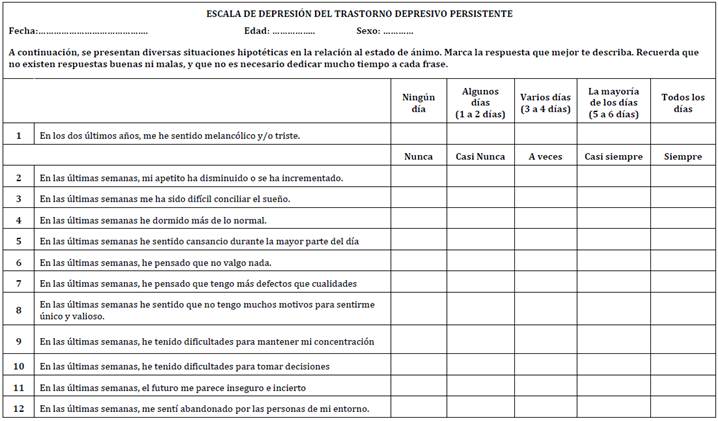
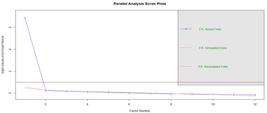
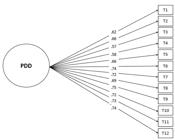
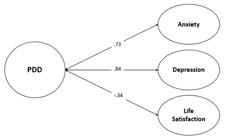
Persistent Depressive Disorder (PDD), also known as dysthymia, has a chronic course and a negative impact on people's quality of life, even more so in young university students. This disorder is one of the least studied types of mood disorders and lacks instruments for its proper evaluation. Therefore, the main objective of the study was to build a scale to measure PDD and preliminarily evaluate its psychometric properties. The total sample of the study was 868 university students aged 18 to 34 years. The results of the exploratory factor analysis showed the presence of a single factor. Likewise, the confirmatory factor analysis reported adequate goodness-of-fit indices (CFI = .98, TLI = .97, SRMR = .06, RMSEA (90 %CI) = .09 (.08 - .10)) for a single-factor structure. In addition, the scale proved to be invariant according to the sex of the participants. Regarding convergent validity, PDD showed significant covariances with anxiety, depression, and life satisfaction. Finally, the scale showed high reliability (α = .88; ω = .88). In conclusion, the PDD scale preliminarily presents adequate psychometric properties to measure the presence of patterns of persistent depressive disorder in university students.
Keywords:
ersistent depressive disorder; factor analysis; factor invariance; reliability
 Thumbnail
 Thumbnail
 Thumbnail