University Governance and Scientific Output: Executive Perceptions on Leadership and Productivity
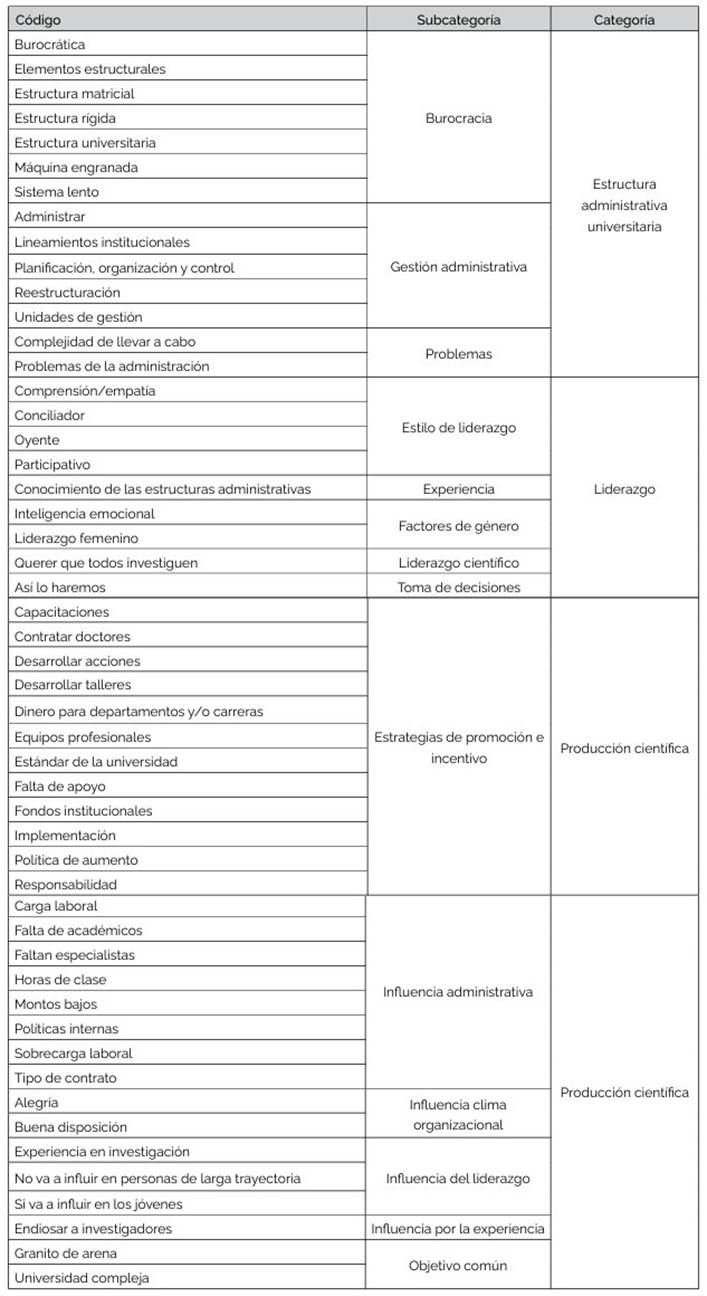
Universities have historically played a crucial role in the generation and transfer of knowledge, significantly influencing the social and economic development of the societies in which they are embedded. Scientific production represents the materialization of one of their core functions and remains a central concern for universities. In Chile, scientific output is largely concentrated in the capital, Santiago, making it particularly relevant to explore the realities of institutions in other regions. This study aimed to analyze the perceptions of academic authorities at a university in northern Chile regarding the influence of leadership on scientific productivity. Data were collected through in-depth, semi-structured interviews with various institutional authorities. A qualitative approach based on Grounded Theory was employed for data analysis, involving the construction of categories and codes derived from participants’ responses. The findings suggest that leadership plays a direct role in the scientific productivity of academic groups. However, the university’s administrative structure often restricts output due to its organizational culture and the multiple responsibilities assigned to academic staff. These results underscore the need to rethink internal leadership strategies and institutional policies to foster a more conducive environment for research. The study contributes to the understanding of regional disparities in Chilean higher education and highlights the key role of leadership in promoting scientific development.
Keywords:
leadership; productivity; educational management; higher education; perception; academic staff