Dropout factors in online education: a systematic literature review
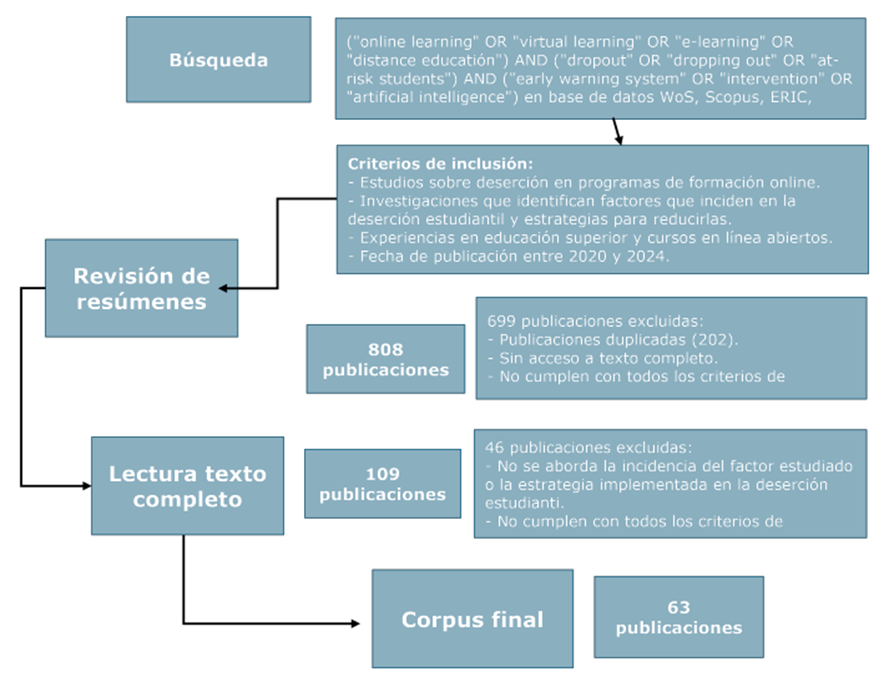
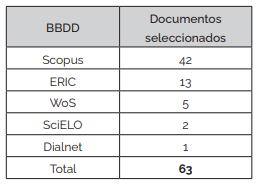
The study examines the factors influencing dropout rates in virtual education between 2020 and 2024, identifying trends and opportunities to improve retention through technological tools and predictive models. A systematic literature review was conducted using the SALSA framework, analyzing databases such as WoS, Scopus, ERIC, Dialnet, and SciELO. After applying selection criteria, a total of 63 studies were analyzed using qualitative coding to identify thematic patterns. The results highlight the impact of individual factors such as self-efficacy, self-regulation, and time management, as well as sociodemographic and environmental aspects such as work and family responsibilities. At the institutional level, key elements for retention include tailored pedagogical design, technical support, and personalized interventions. Additionally, tools such as learning analytics and artificial intelligence emerge as essential strategies to predict and mitigate dropout rates. These technologies enable the detection of behavioral patterns on virtual platforms and the design of real-time personalized support, proving effective in identifying at-risk students. The study concludes that the adoption of these tools and predictive approaches-based on learning analytics and adaptive strategies-is crucial to personalizing learning and reducing dropout rates in online education.
Keywords:
electronic learning; distance education; dropouts; at risk students; early warning systems; academic support services; artificial intelligence
 Thumbnail
 Thumbnail
 Thumbnail
 Thumbnail
 Thumbnail