Contributions of Maker Culture to the Development of Learning Skills in Primary Education
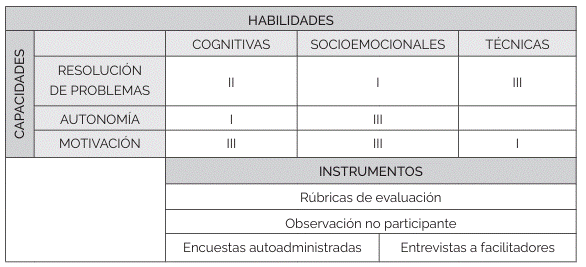
This article contributes to understanding the value of incorporating maker culture into in non-formal primary education contexts. To this end, it analyzes the experience of maker workshops implemented during the 2025 summer camp in the Municipality of Vicente López (Province of Buenos Aires, Argentina). The main objective of the research was to examine how the implementation of these workshops contributes to the development of cognitive, socio-emotional, and technical skills. These skills were assessed through the performance of children between 7 and 10 years of age in abilities related to problem solving, autonomy, and motivation during the workshops. This is an evaluative research study with a mixed-methods design, combining quantitative and qualitative techniques, such as rubrics, self-administered surveys, semi-structured interviews, and non-participant observation. The results highlight the opportunities that maker workshops offer for the comprehensive development of learning skills, especially when the environment promotes peer support and collaboration. The findings also point to aspects that may enrich educational proposals centered on problem solving within the maker culture.
Keywords:
maker culture; educational technology; learning skills; primary education; non-formal education.
 Thumbnail
 Thumbnail
 Thumbnail
 Thumbnail
 Thumbnail