Computational thinking at the higher education level in non-STEM educational programs: a descriptive study
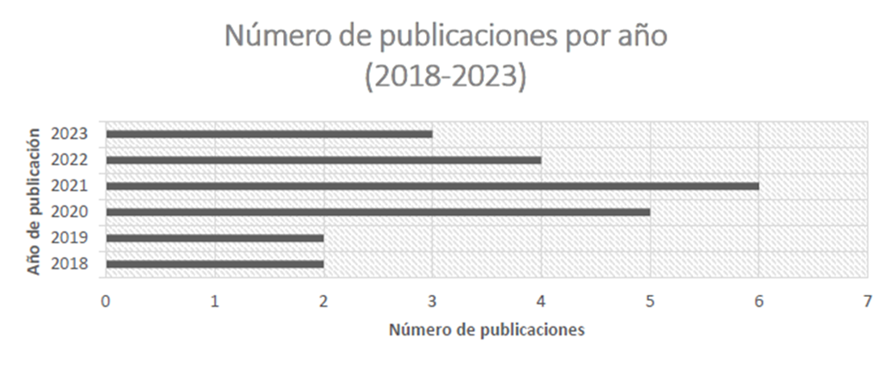
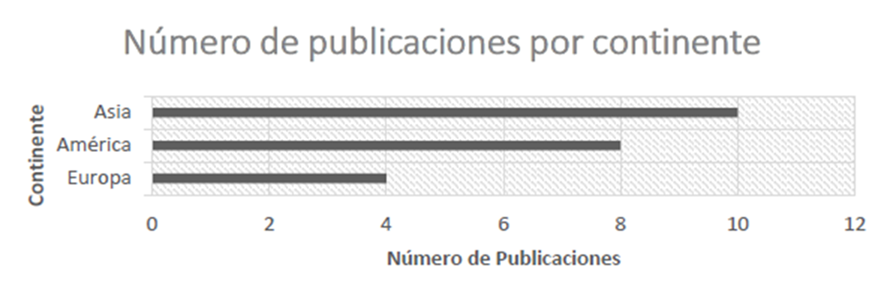
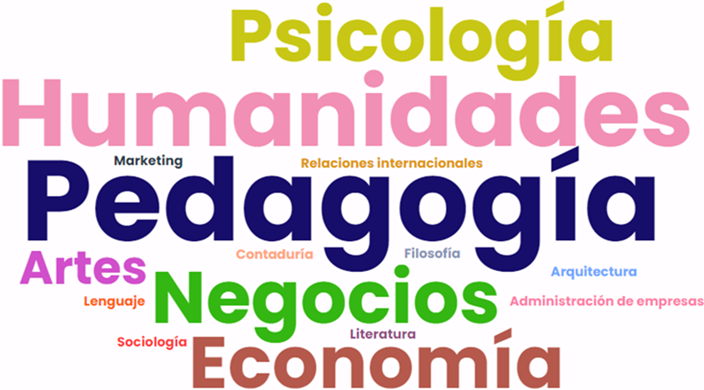
This manuscript aims to present an updated review of the research published on the assessment of competencies and the integration of computational thinking in educational fields not traditionally associated with computer science or the STEM disciplines (science, technology, engineering, and mathematics). This qualitative descriptive study systematically reviews the literature on computational thinking competencies in higher education non-STEM programs from international repositories. The investigated variables are the publication year, country, type of study, and discipline considered in the study. The study's results highlight three key aspects: the relationship of computational thinking with computer concepts and its promotion through activities outside of computers, the lack of an adequate competency model recommending its interdisciplinary adaptation, and the urgent need to strengthen logical and reasoning skills, especially in algorithmic thinking. Finally, the growing importance of computational thinking in various disciplines is emphasized. The need for future research to delve deeper into its pedagogical implications and impact on non-STEM training is underlined. The urgency of this need is highlighted, given the gap in knowledge regarding the limited number of studies on the topic and the lack of consensus on programs that are considered non-STEM.
Keywords:
competency assessment; computer science; computational thinking; higher level; non-STEM
 Thumbnail
 Thumbnail
 Thumbnail