Implementing a Coding Curriculum in Uruguay: Teachers Navigating Power, Autonomy, and Classroom Dynamics
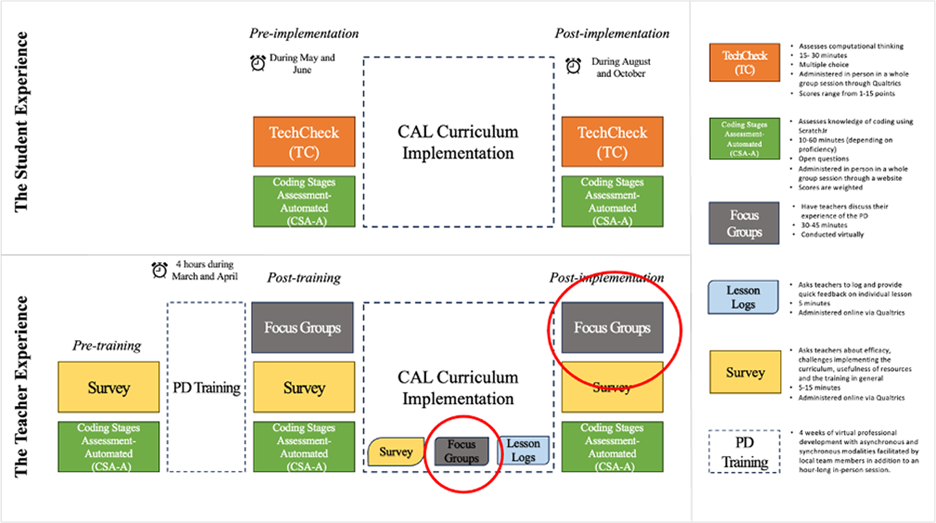
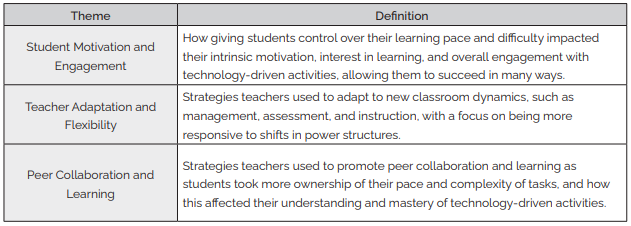
In the global effort to develop computational thinking and coding skills in children since the late ’90s, this study examines the dynamics between second-grade teachers and their students during the implementation of a coding curriculum in public schools across two departments in Uruguay. Using narrative analysis, the findings are organized into three overarching themes to illustrate how power structures between teachers and students were negotiated and, in some cases, redefined while introducing new technology in the classroom. Seventeen teachers participated in 45-minute focus groups, sharing their successes, challenges, and strategies for navigating students’ agency and demand for independence in their learning processes. Grounded in the Positive Technological Development (PTD) framework, this study highlights the value of flexibility in instructional approaches, encouraging teachers to further adapt lessons and respond to students’ needs, pace, and preferences to foster inclusive, developmentally appropriate, and meaningful technology-rich environments. Additionally, these results underscore how technology serves not merely as a passive tool for instruction but as a means of self-expression, communication, and ownership of the learning journey once the power structures have become fluid and shared.
Keywords:
early childhood; programming; power; autonomy; agency; adaptation
 Thumbnail
 Thumbnail