Analysis of the relationship between attitudes and school performance in mathematics
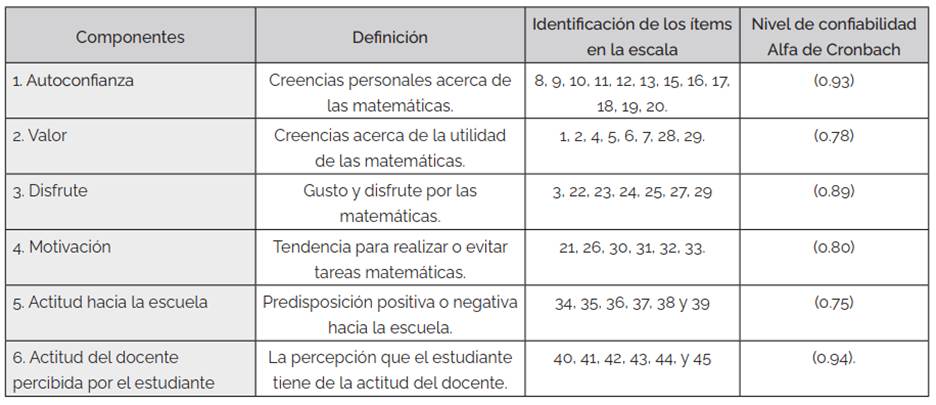
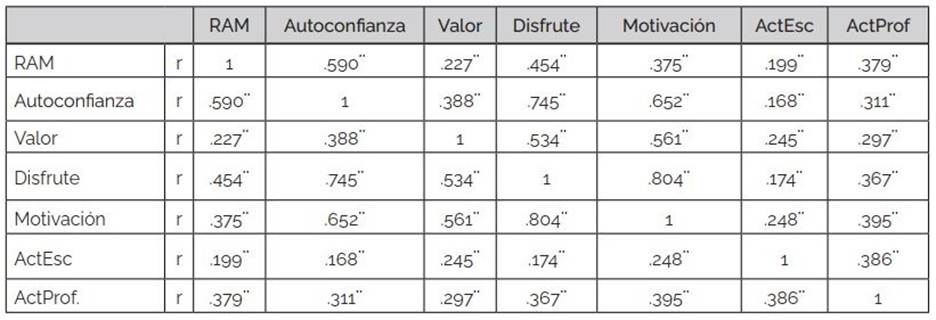
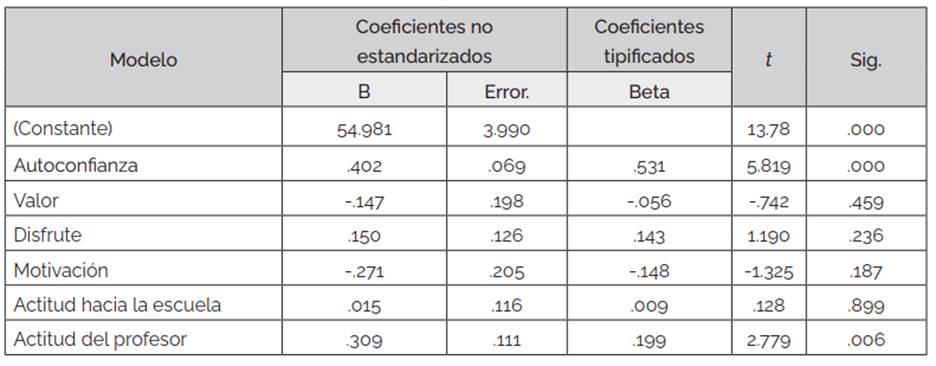
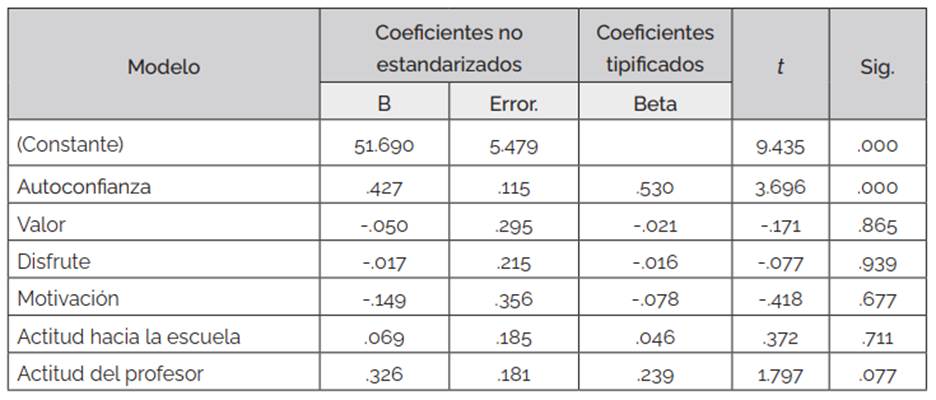
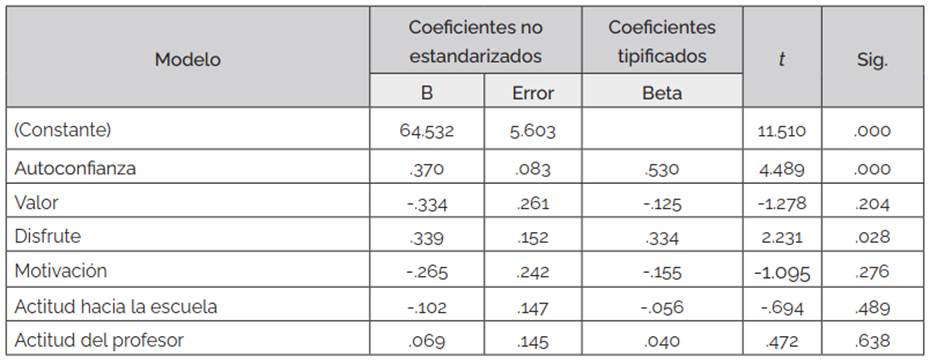
Attitudes toward mathematics are a crucial factor in learning this subject. This study aimed to determine the relationship and predictive power of attitudes on academic performance in secondary school students in the Dominican Republic, with 174 non-randomly selected participants. The Attitudes Toward Mathematics Inventory (ATMI) by Tapia and Marsh (2004) was used, and correlation and multiple regression tests were applied. The results showed significant positive correlations among all variables, highlighting self-confidence, enjoyment, and the student’s perception of the teacher's attitude. In the linear regression analyses, only self-confidence (β = .402, p = .000) and the student’s perception of the teacher's attitude (β = .309, p = .000) demonstrated predictive capacity for academic performance in mathematics. Other factors, such as motivation, value, enjoyment, and attitude towards school, did not show predictive capacity. In conclusion, self-confidence and a positive perception of the teacher's attitude are key elements for performance in mathematics. Educational interventions that promote these aspects could significantly influence student performance.
Keywords:
student attitude; mathematics; academic performance; secondary education; motivation