Technological Mediation of Reading in Adolescents: Systematic Review of Strategies and Results in School Contexts
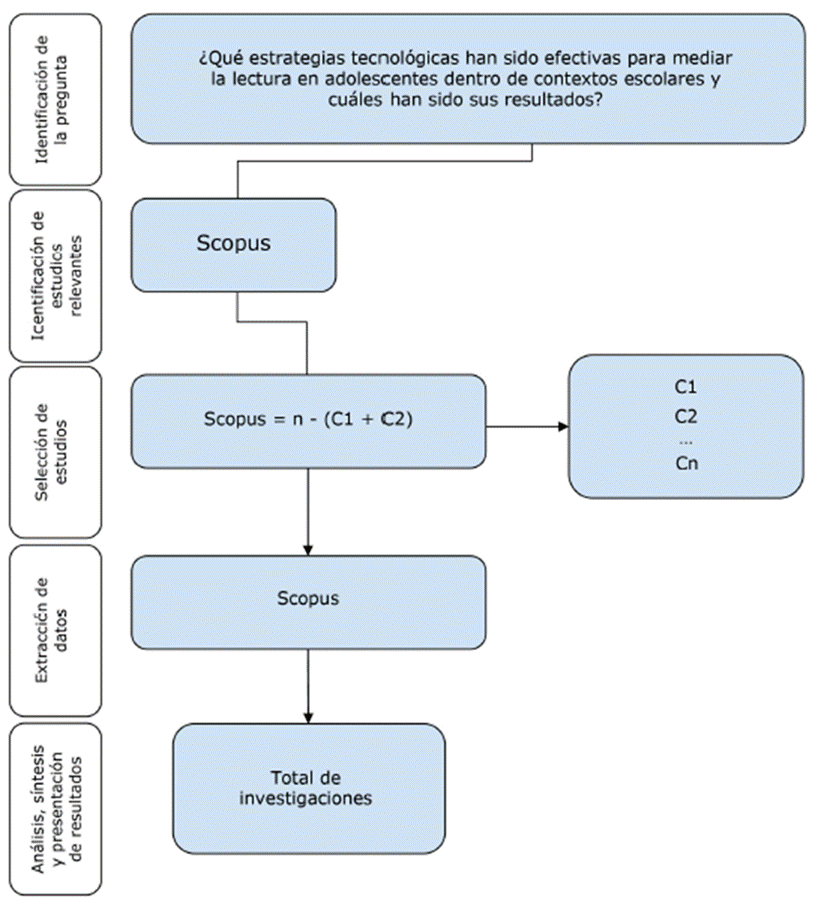
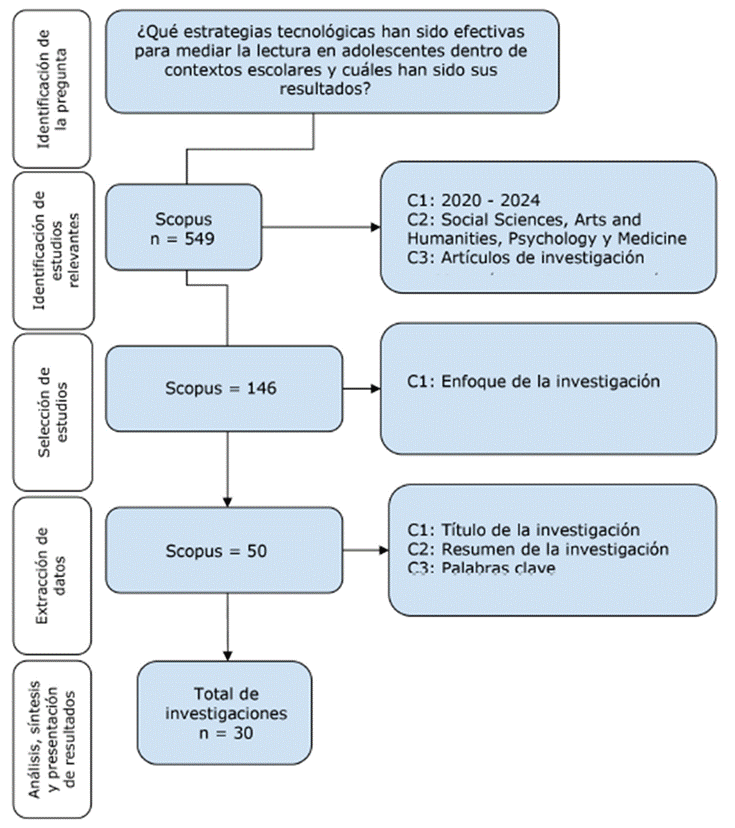
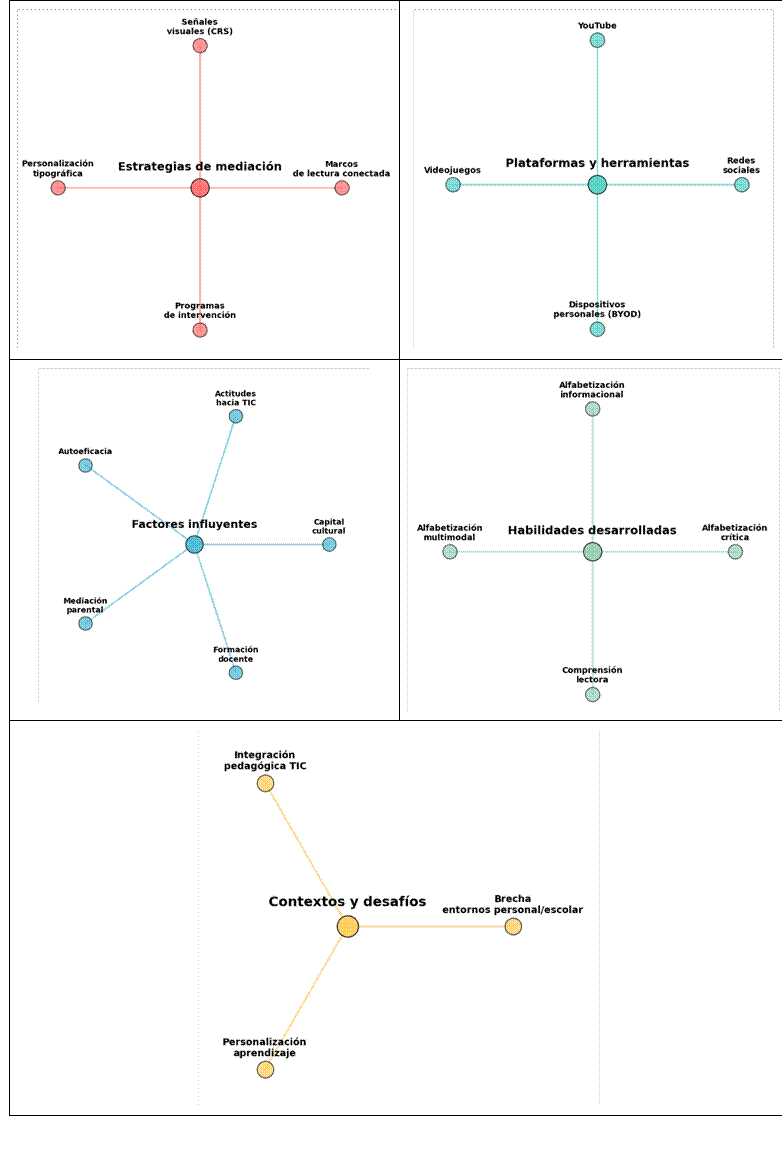
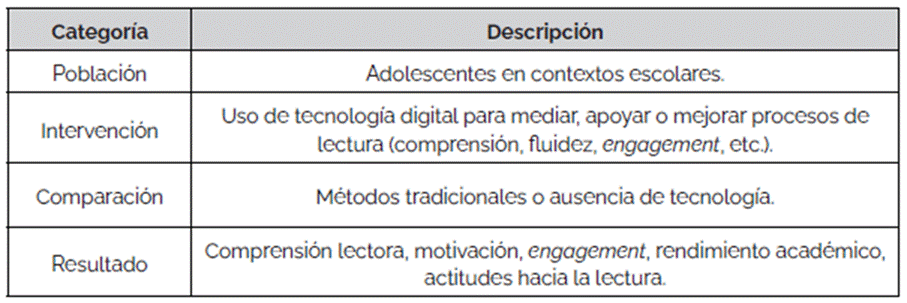
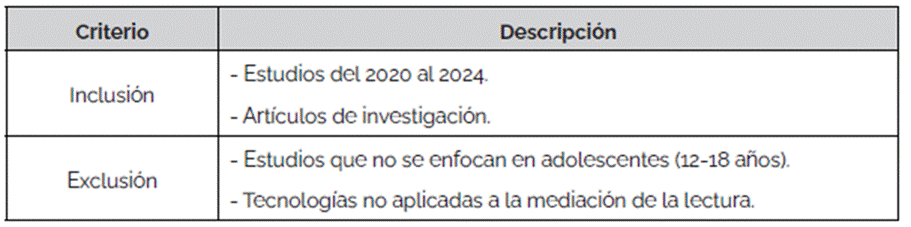
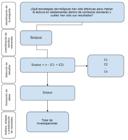
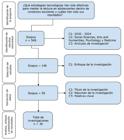
This systematic review, conducted in accordance with the PRISMA 2020 guidelines and aligned with the scoping review framework developed by Arksey and O’Malley, synthesized 30 studies (2020-2024) to evaluate the impact of technological strategies-interactive platforms, gamification, and educational applications- on the reading comprehension, motivation, and habits of adolescents (12-18 years). The analysis identified five key dimensions: (1) mediation strategies (digital pedagogical scaffolding), (2) platforms and tools (social media, YouTube, video games), (3) influencing factors (cultural capital, self-efficacy, parental mediation), (4) developed skills (critical, informational, and multiliteracy), and (5) contexts and challenges (equity, teacher training, curricular integration). The results showed that technology can significantly enhance engagement and reading comprehension when implemented with intentional pedagogical design, rather than merely as digital access. Successful interventions combined interactivity, student autonomy, and continuous teacher support. These findings contribute to the discussion of technology as a transformative ecosystem for adolescent reading, in which its effectiveness depends on strategic mediation, equitable access, and robust teacher training to prevent emerging gaps in critical appropriation.
Keywords:
technological mediation; adolescent reading; digital strategies; secondary education; educational tools
 Thumbnail
 Thumbnail
 Thumbnail