Academic engagement and learning approaches in college students at different stages of the academic path
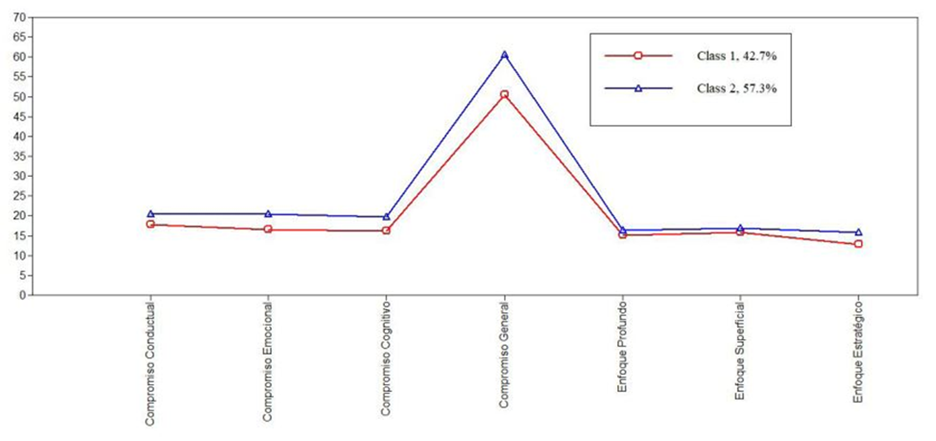
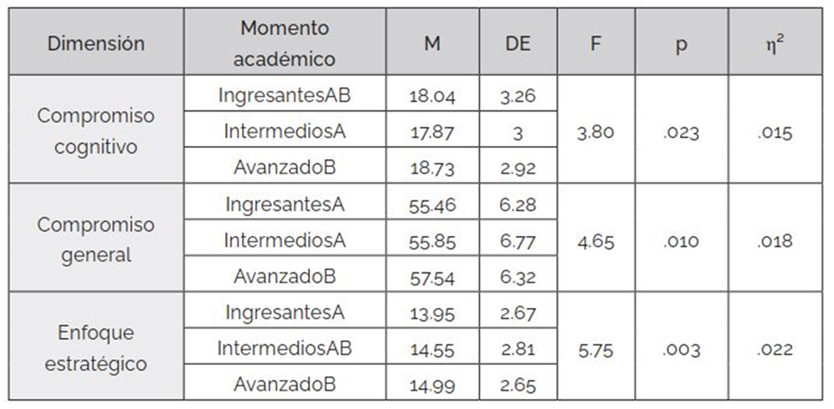
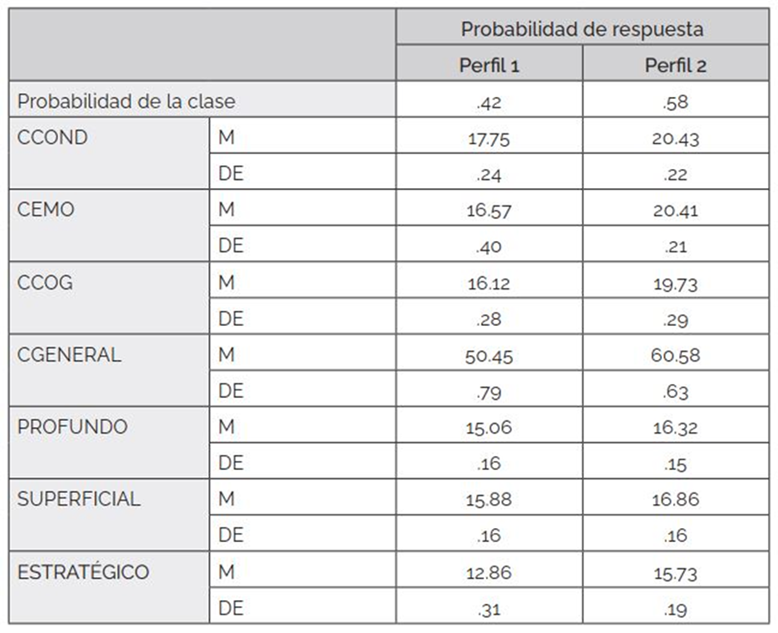
How students engage with academic activities and learn the content of different subjects is an important aspect that lets us understand how students remain in higher education. Students who are highly engaged and motivated in the academic field and who use adequate learning strategies are more likely to obtain good grades, thus remaining in the program. Although university dropouts can occur at any time during the academic path, this phenomenon is more frequent among freshmen transitioning from secondary school to college. This work analyzed academic engagement and learning approaches in a sample of 486 Psychology students at different stages of their academic pathways. Results showed that advanced students presented a higher general engagement and used a strategic approach when compared to freshmen. Two profiles of students were also identified: one, with higher academic engagement -emotional, cognitive, and behavioral- and the use of learning approaches -deep, surface, and strategic- and the other, contrarywise. A significant difference was observed in academic performance in favor of students with a profile of higher academic engagement and the use of learning approaches. These results highlight the need to plan actions to promote students' permanence in higher education based on improving academic engagement as well as teaching methods aiming at stimulating the use of a strategic approach to learning.
Keywords:
undergraduate student; dropout; learning; transition from upper secondary to higher education; achievement
 Thumbnail