Digital practices and the use of information in student citizenship performance
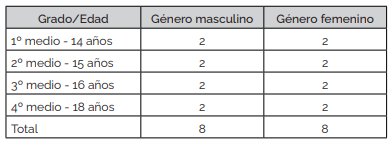
In the 21st century, citizenship is profoundly influenced by digital technologies, which shape the ways individuals engage, interact, and participate in society. Understanding the impact of these technologies on students’ social interactions is essential for strengthening democracy, given their omnipresence in information access, communication, and production. This study analyzes digital citizenship performance among secondary school students, assessing their ability to critically, responsibly, and actively use information obtained and exchanged on social media. A complementary methodological approach was adopted, employing a sequential explanatory mixed-methods design. Data collection included a digital citizenship questionnaire administered to 165 high school students in Valparaíso (Chile), followed by semi-structured interviews with 16 selected participants. The results indicate that while students acknowledge the importance of democratic engagement in digital environments, they exhibit deficiencies in key competencies necessary for effective digital citizenship. These findings highlight the need to strengthen educational strategies that promote the critical, ethical, and creative use of digital environments, fostering greater student participation and commitment to public affairs and the full exercise of their citizenship rights.
Keywords:
digital citizenship; digital practices; digital citizen performance; digital skills; digital environments; secondary education