Students’ representations of writing and its assessment at the postgraduate level
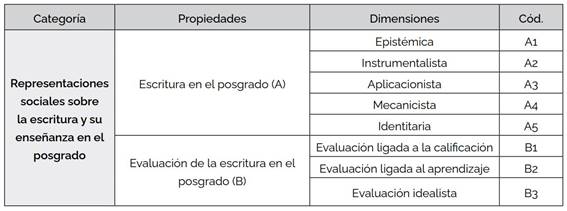
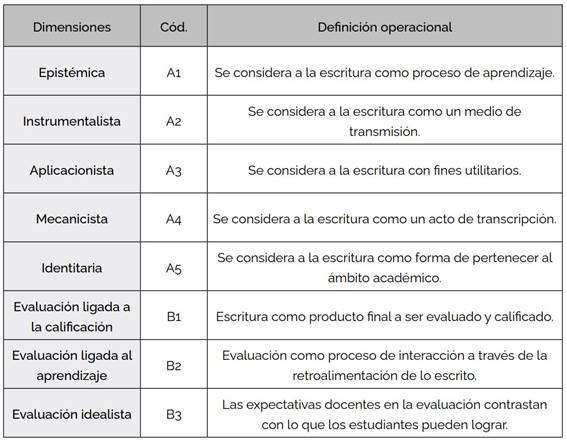
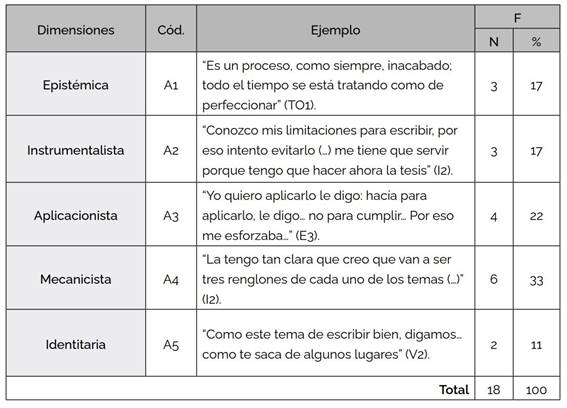
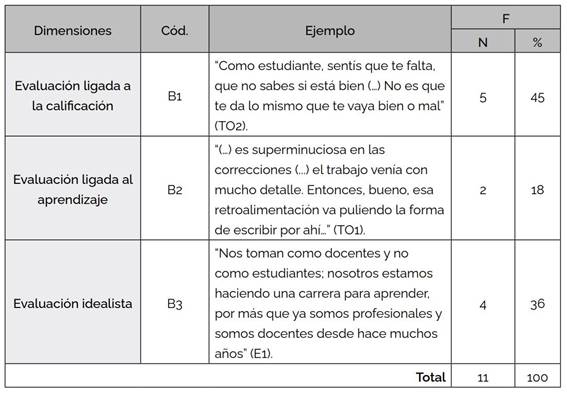
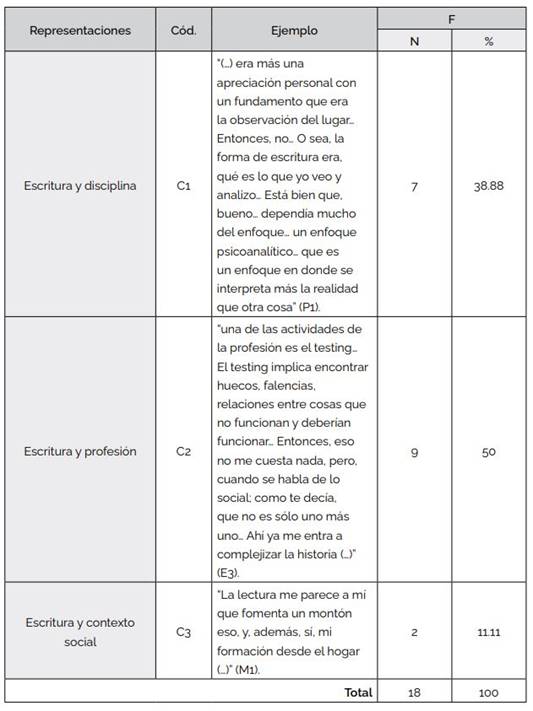
Students' representations of writing and its evaluation may foster or hinder the production of texts in university graduate studies, influencing their learning at that educational level. In this article, we aim to elicit these representations and identify characteristics of the students' paths that influence them. To fulfill this purpose, a case study was conducted in a Master Program in University Teaching (MDU) at a public university in Argentina. There, a cohort of students from different disciplines and institutions were interviewed. The interviews' analysis was based on Grounded Theory. The results show social representations that conceive, to a greater extent, writing as a mechanical act and associate its assessment to grading. Likewise, a career's characteristics are related to its discipline of origin and social and professional patterns that give meaning to the postgraduate experience and foster or hinder the student's perception as a member of a discursive community. These representations condition the students' academic path. Therefore, it can be concluded that knowing them will allow the teaching staff to acknowledge divergences and adjust mutual expectations to encourage the production of knowledge required at this educational level.
Keywords:
representations; students; writing; teaching; assessment; postgraduate courses