Sociotechnical Trust in the Educational Use of Artificial Intelligence as an Emerging Category of Teaching Experience
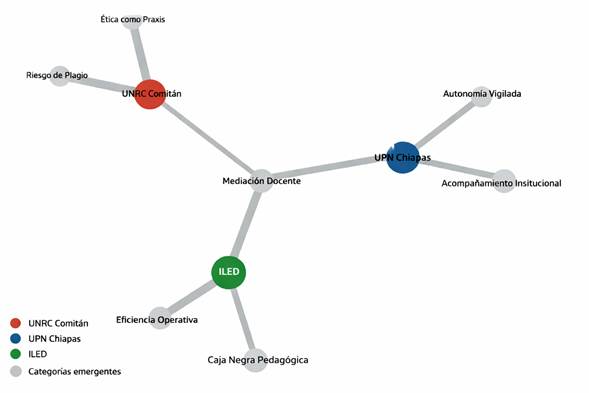
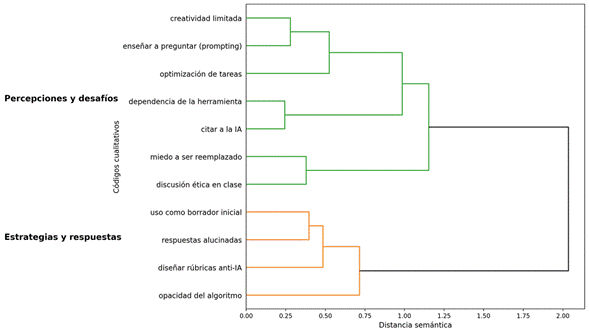
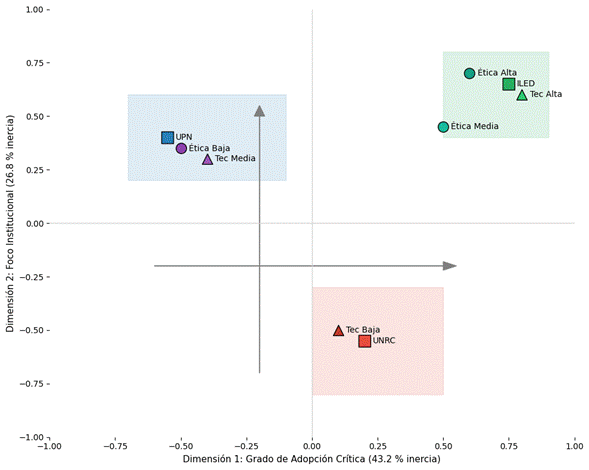
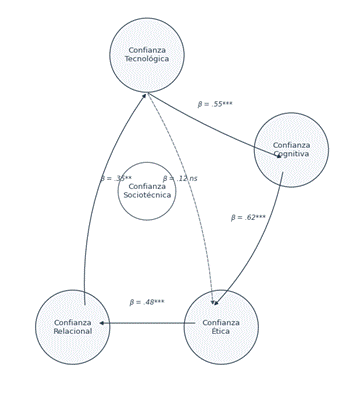
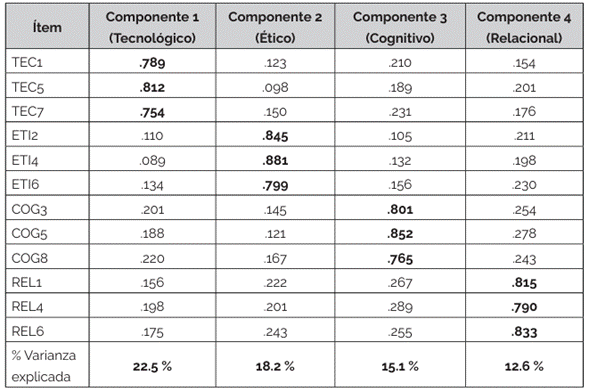
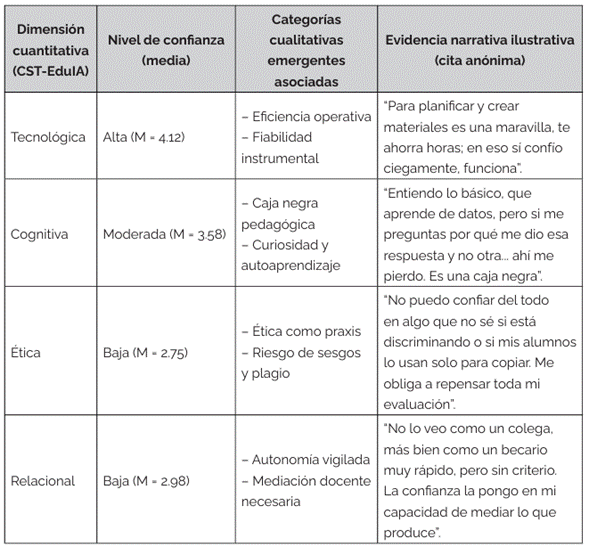
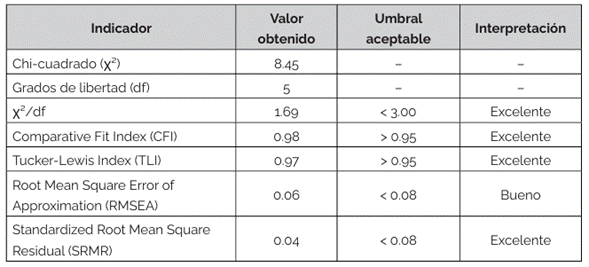
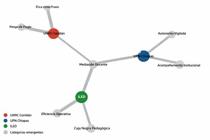
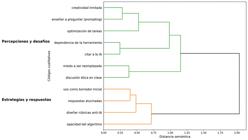
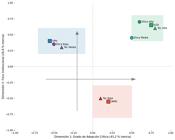
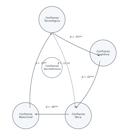
The objective of this research was to explore sociotechnical trust as an emerging category that defines the experience of university teachers when integrating artificial intelligence (AI) into their educational practices, adopting a socio-critical and comprehensive approach to analyze underlying tensions and meanings. A concurrent mixed-methods design with an explanatory sequential exploratory approach was applied in three higher education institutions in Mexico, with a purposive sample of 90 teachers. Data were collected through the Sociotechnical Trust in Education with AI Questionnaire (CST-EduIA) and 15 semi-structured interviews, analyzed quantitatively with SPSS and qualitatively with ATLAS.ti. Quantitative findings revealed a moderately high level of technological trust but significantly lower ethical and relational trust, whereas path analysis confirmed a model in which cognitive understanding mediates the relationship between technical mastery and ethical responsibility. Qualitative results showed categories such as “surveilled autonomy” and “pedagogical black box,” reflecting the tension between algorithmic efficiency and the loss of pedagogical control. Sociotechnical trust is not a monolithic construct but a dynamic and situated process that articulates perceptions of reliability, comprehensibility, algorithmic justice, and human-machine collaboration, suggesting that teacher training must transcend instrumental literacy to cultivate a critical and reflective praxis.
Keywords:
sociotechnical trust; artificial intelligence in education; teacher training; digital competence; algorithmic ethics; higher education; mixed methods; critical pedagogy; educational innovation; teaching experience
 Thumbnail
 Thumbnail
 Thumbnail
 Thumbnail