Intrahepatic cholestasis: a diagnostic challenge
Abstract
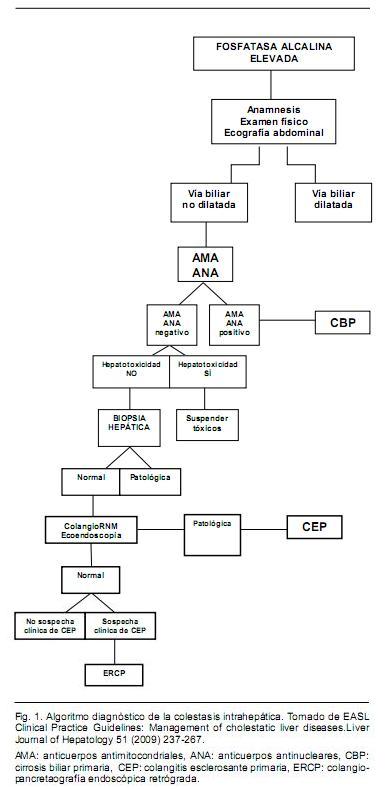
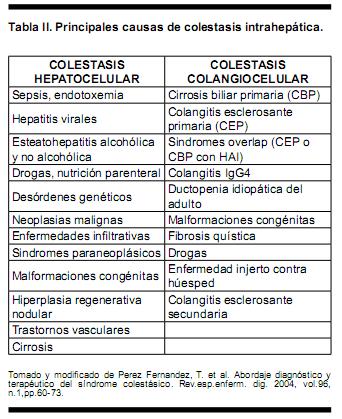
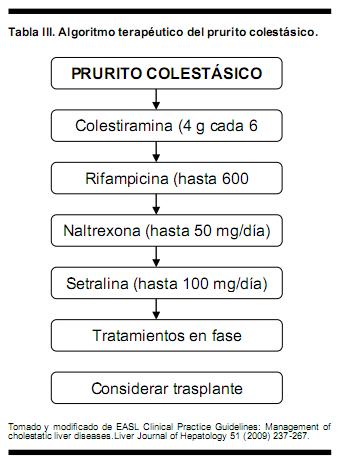
Cholestasis, a term coined by Hans Pooper anatomic pathologist in 1956, is a real analytic clinical syndrome that includes a wide spectrum of pathological severity and outcome variable. Major clinical manifestations of cholestasis arising from the accumulation of plasma substances normally excreted in the bile, linked to decreased biliary excretion into the digestive tract, pathophysiological basis of this syndrome. Overall, cholestasis can be classified into intra or extrahepatic, icteric or anicteric and acute or chronic, also from an etiological view can be categorized as congenital, inflammatory, mechanical, toxic, metabolic, or neoplastic. In this article, and from clinical case report, we analyze the diagnostic and therapeutic cholestatic syndrome, proposing an algorithm of action, according to the best evidence available to date.
Cholestatic syndrome; Intrahepatic cholestasis; Benign Recurrent Intrahepatic Cholestasis
 Thumbnail
 Thumbnail