Impact of smoking and second hand smoke on cardiovascular health
Abstract
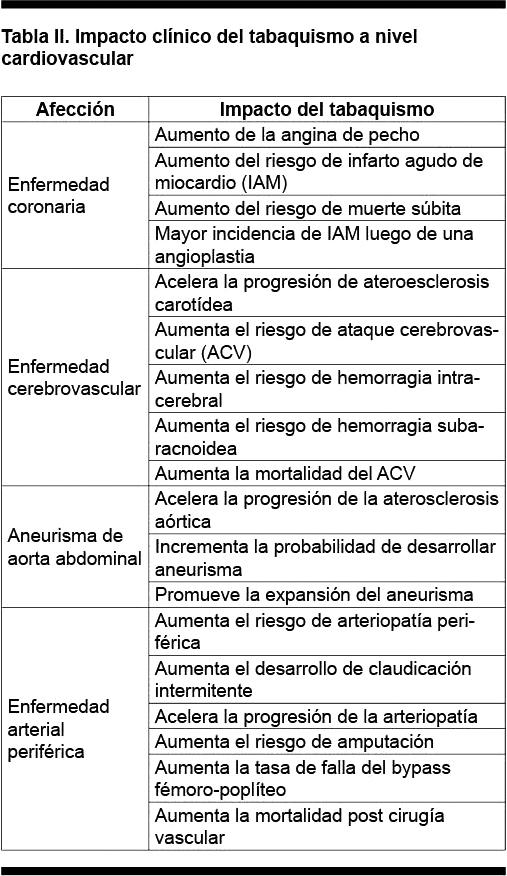
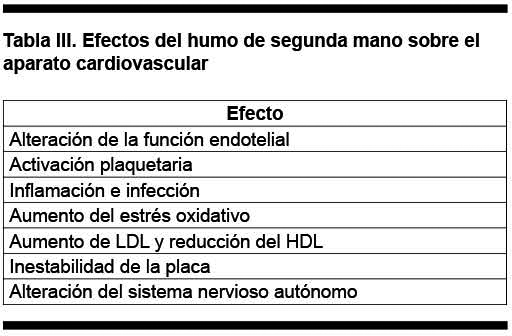
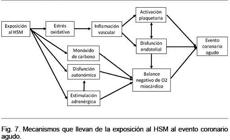
Smoking is the leading avoidable cause of morbi-mortality. Smokers have a greater incidence of cardiovascular disease because cigarettes favor the development of atherosclerosis and disrupt oxygen delivery to tissues. These phenomena translate into a higher incidence of acute myocardial infarction, sudden death, angina, stroke, aneurism of the aorta and arterial disease among smokers. Smokers also have a higher incidence of infarction following angioplasty, a greater stroke-induced mortality, greater expansion of aortic aneurisms and more failures of femoro-popliteal bypass. Second-hand smoking increases the risk of coronary artery disease, stroke and myocardial infarction. Oxidative stress, adrenergic stimulation, autonomic dysfunction and the increase of carbon monoxide that take place when an individual is exposed to second hand smoke may trigger an acute coronary event in just 30 minutes. The United Nations Framework Convention for Tobacco Control is a public health tool designed to approach the tobacco epidemic; its actions must be complemented by clinicians, who should provide the type of care that may help their smoking patients to curb their addiction and hence reduce cardiovascular risk.
smoking; atherosclerosis; cardiovascular diseases; tobacco smoke pollution
 Thumbnail
 Thumbnail
 Thumbnail
 Thumbnail
 Thumbnail
 Thumbnail
 Thumbnail