Situated learning, emerging technologies, and critical survey of heritage architecture in the Puna de Atacama: a comparative study aprendizagem
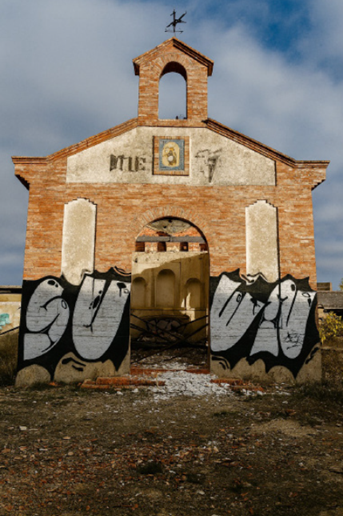
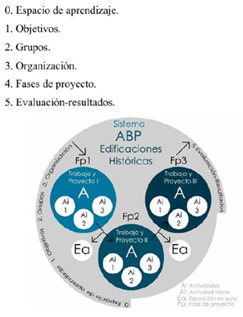
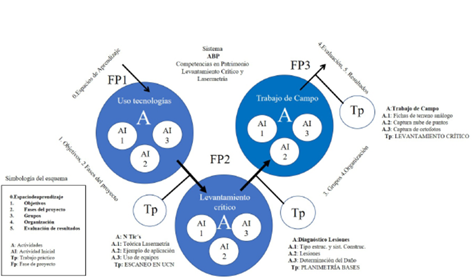
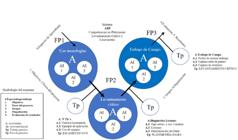
This article explores the potential of Project-Based Learning (PBL) as a strategy for training architects capable of critically engaging in the conservation of endangered heritage. It presents two experiences developed in contrasting educational contexts. In Spain, the experience took place at Universidad Europea Miguel de Cervantes (UEMC), within the compulsory course Rehabilitation, Restoration, and Pathology of the Technical Architecture degree; in Chile, with tenth-semester students from the School of Architecture at Universidad Católica del Norte (UCN), in the elective course Architecture and Earth Technology.
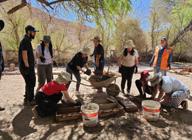
The European case was selected due to its relevance as a consolidated reference in the application of PBL to heritage education within a stable institutional environment. The UEMC experience, documented by Valentín-Gamazo, De Arriba, and Vaquero (2021), represents a systematic model replicated over several years and recognized at CINAIC 2021 for its pedagogical innovation. Its inclusion enables comparison between the methodological maturity of PBL in Europe and its adaptation to Andean territories.
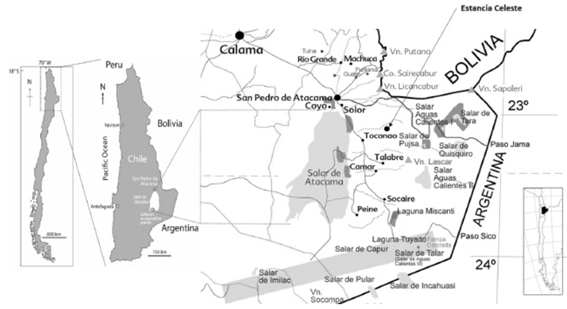
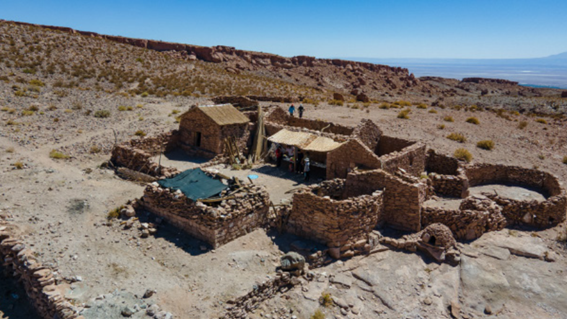
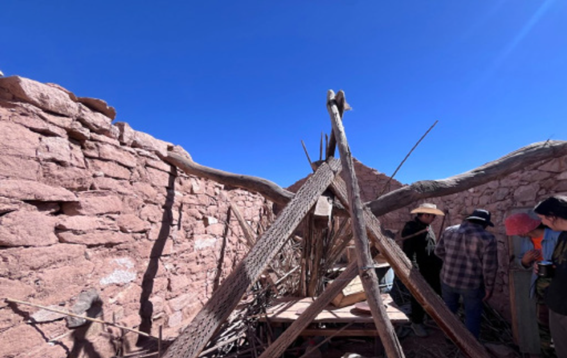
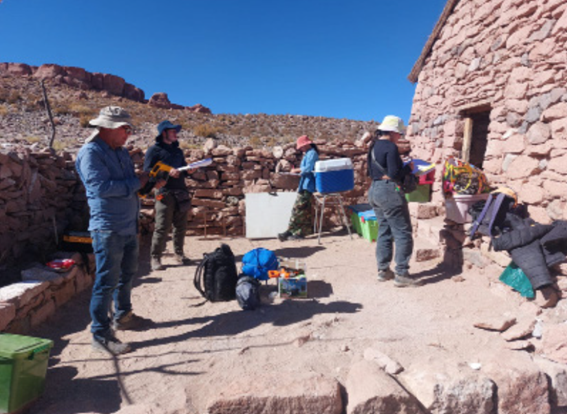
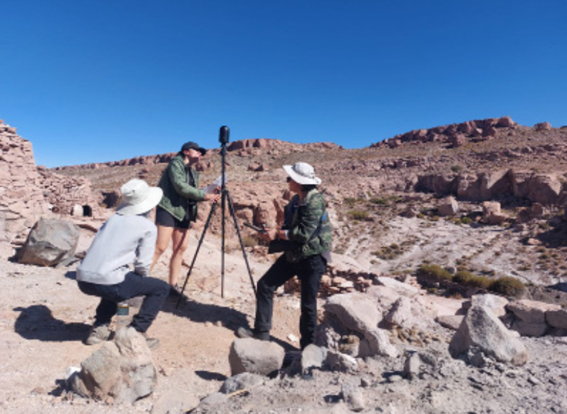
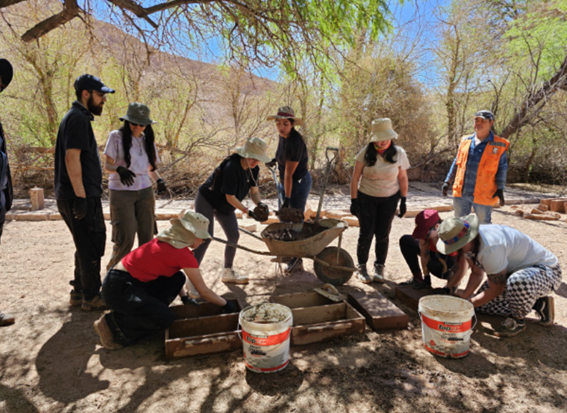
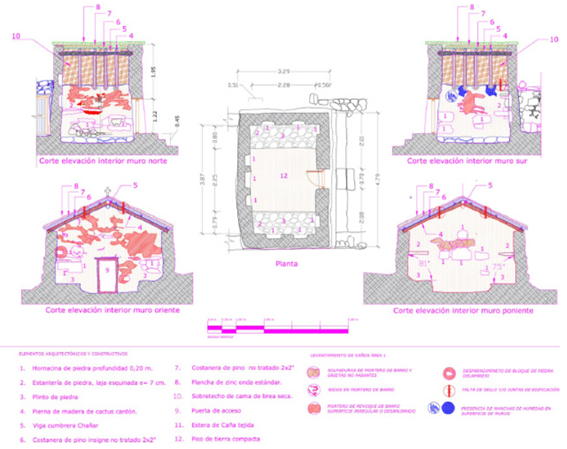
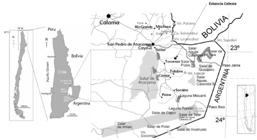
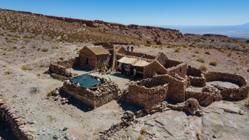
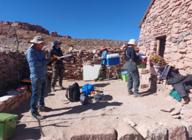
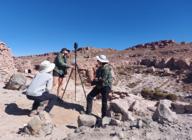
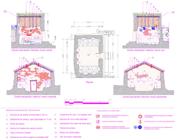
The Chilean experience was developed between 2024 and 2025 in the Puna de Atacama, at 3,270 m a.s.l., requiring pedagogical and logistical adaptations to extreme geographic conditions. Students applied emerging technologies such as laser scanning, aerial photogrammetry, and 3D modeling to document agro-pastoral structures. The results demonstrate that PBL fosters situated, interdisciplinary, and technologically informed learning, offering replicable guidelines for architecture schools seeking to integrate pedagogical innovation, territorial engagement, and heritage education.
Keywords:
architectural education; project-based learning; Andean territory; digital technologies; heritage documentation; high-altitude intervention; vernacular structures; local communities; comparative models; pedagogical innovation
 Thumbnail
 Thumbnail
 Thumbnail
 Thumbnail
 Thumbnail
 Thumbnail
 Thumbnail
 Thumbnail
 Thumbnail
 Thumbnail