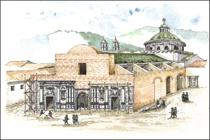
Church of the Company of Jesus of Quito, history of its construction elements
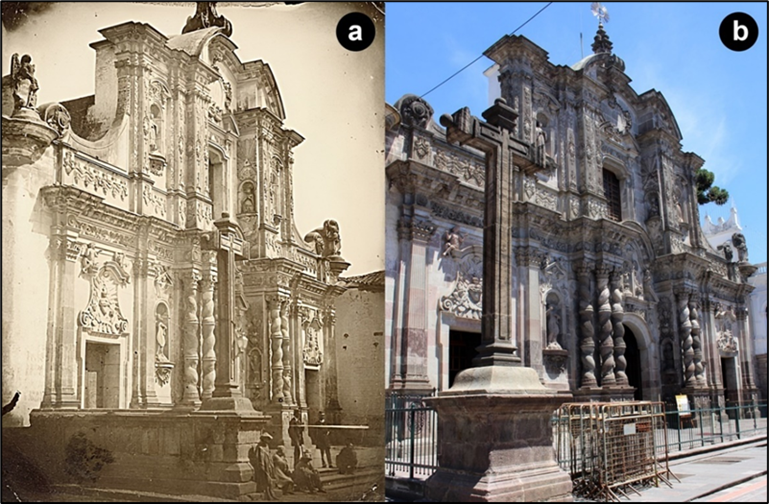
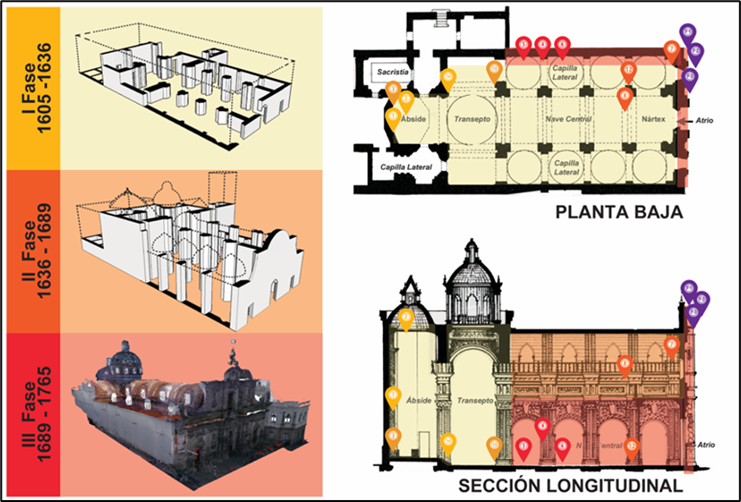
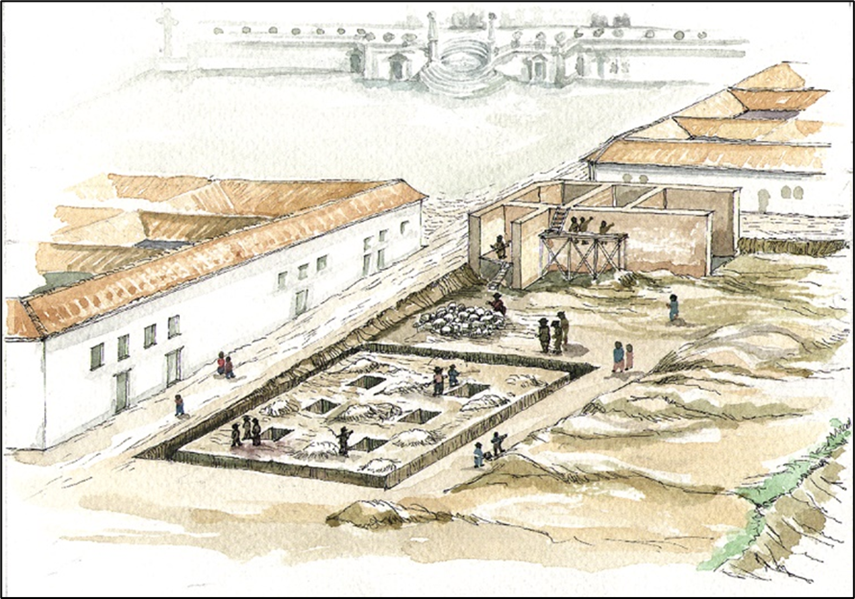
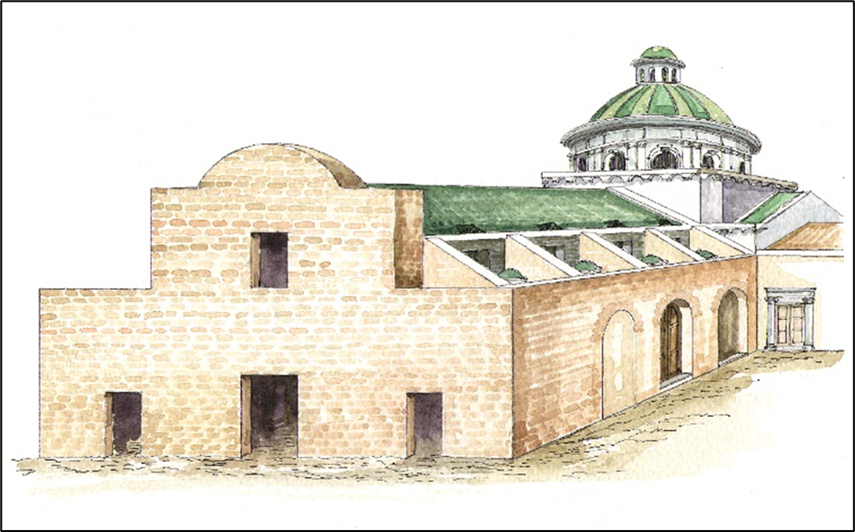
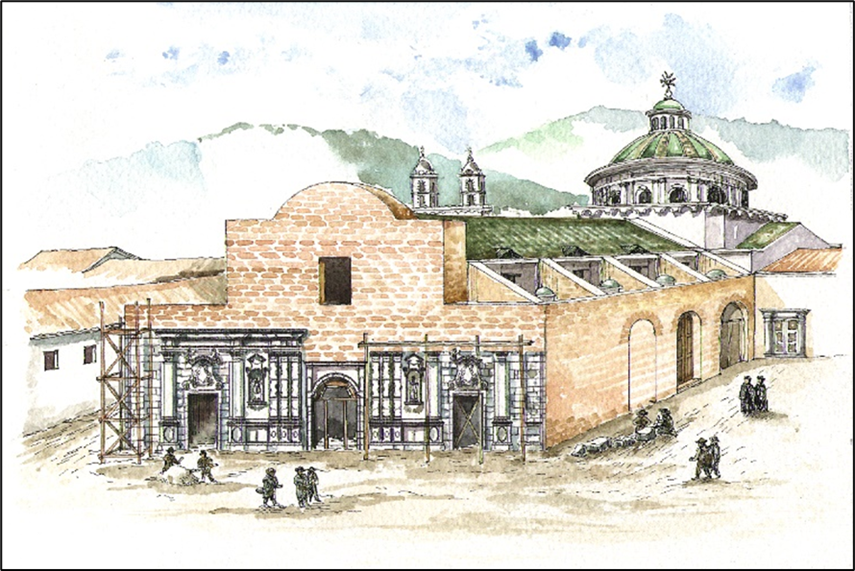
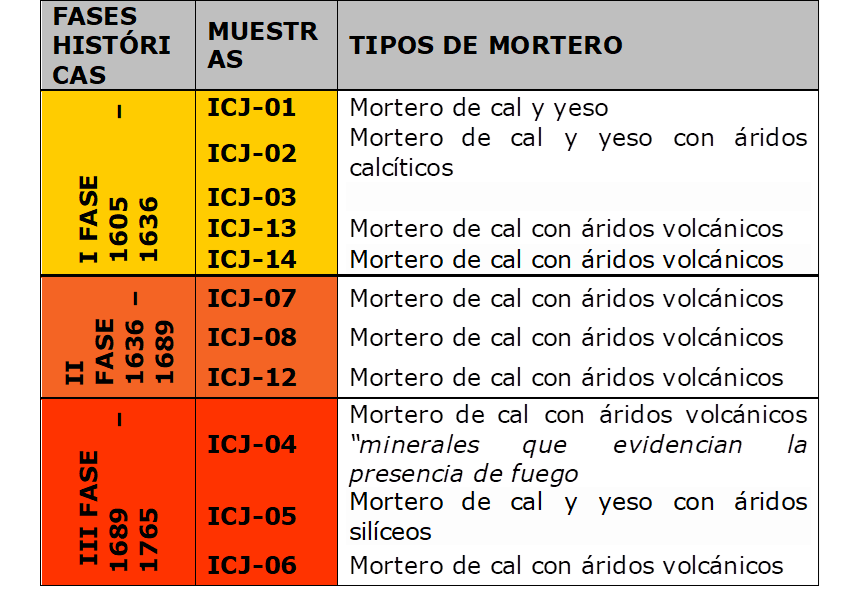
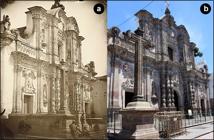
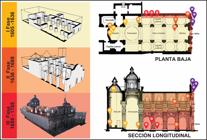
The Church of the Company of Jesus in Quito, built between 1605-1765, is one of the most notable examples of Latin American Baroque religious architecture, a place of worship and exhibition of religious art of the viceregal era. In 160 years, three construction phases can be identified and by 1765 the stone facade had a lime mortar coating that mimics marble, known as 'jasper'.
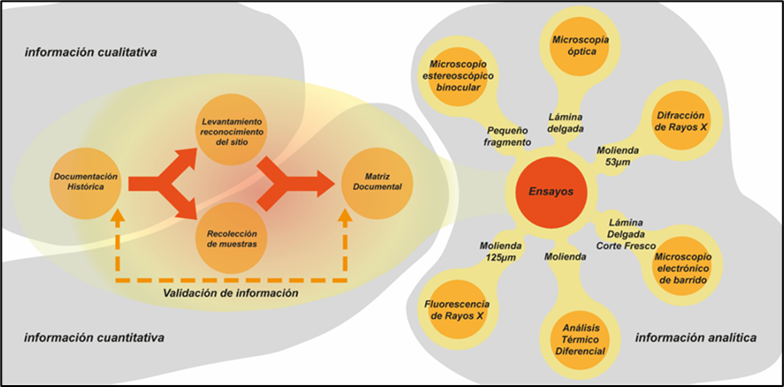
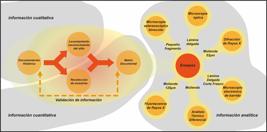
The objective of this research is to establish its composition to contribute to the understanding of the constructive chronology of the temple; A total of 17 coating samples were examined, 14 correspond to coating mortars from the interior of the temple and 3 samples correspond to the surface stone façade, extracted with the protocols and less invasive standards suggested by the research team.
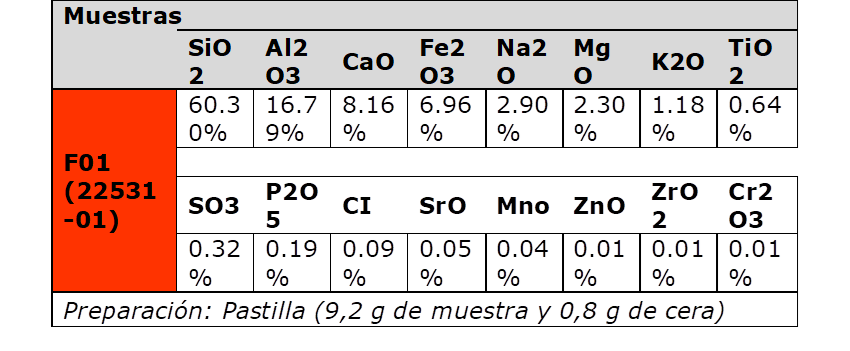
The samples include stereoscopic microscopy studies that were complemented with mineral characterization and quantitative analysis by X-ray diffraction, as well as polarized light optical microscopy and scanning electron microscopy with microanalysis, among others.
Laboratory results demonstrated the presence of lime and gypsum mortars, and carbonated aggregate gypsum mortars, these elements have a volcanic mineralogical and metamorphic volcanic composition, which allowed us to corroborate them within the construction stages recorded in the church.
Keywords:
Lime mortars; Gypsum mortars; Andesite; History of the construction; Quito cultural heritage; Church of the company of Jesus of Quito
 Thumbnail
 Thumbnail
 Thumbnail
 Thumbnail
 Thumbnail
 Thumbnail