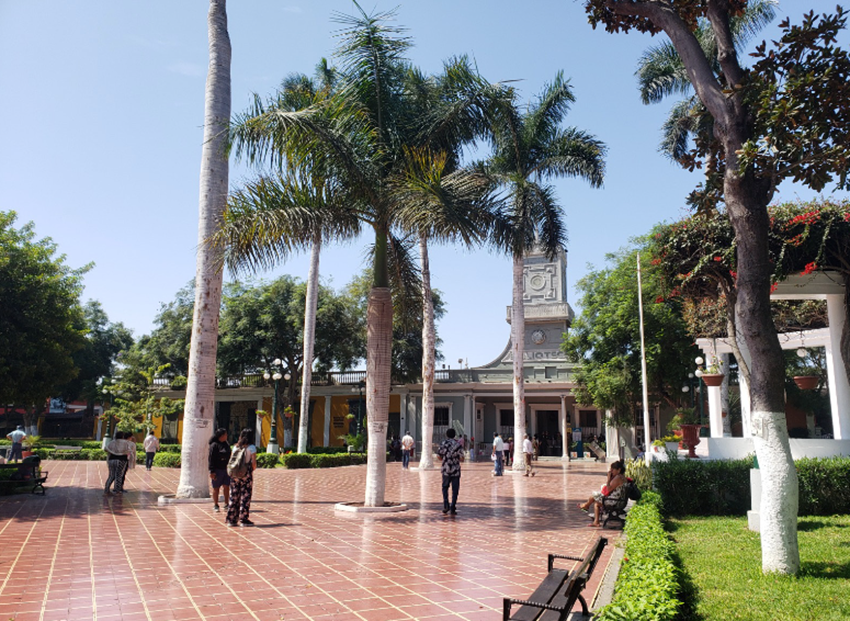
The immanence of collective identity in the face of the lack of affection of the public space in Barranco, Lima, 2024
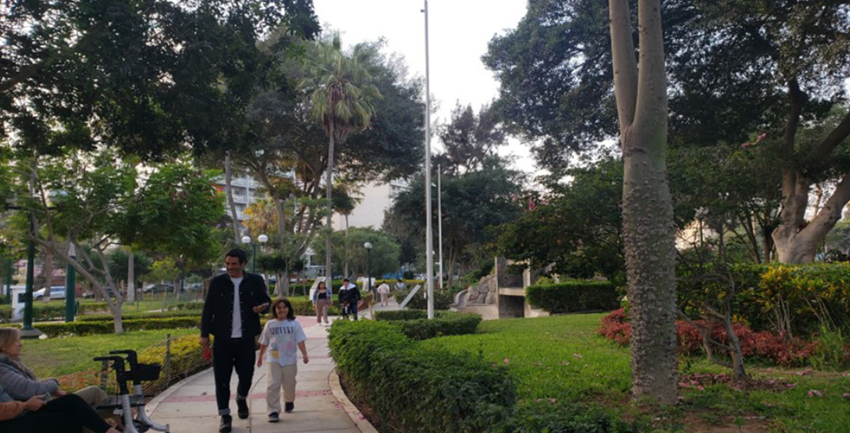
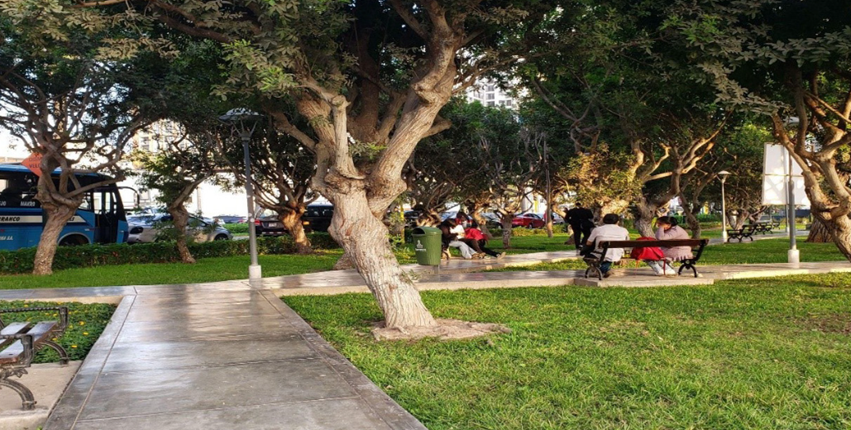
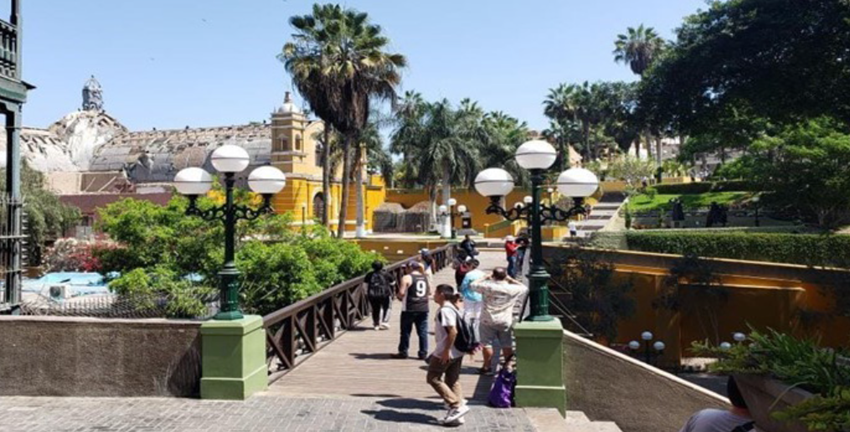
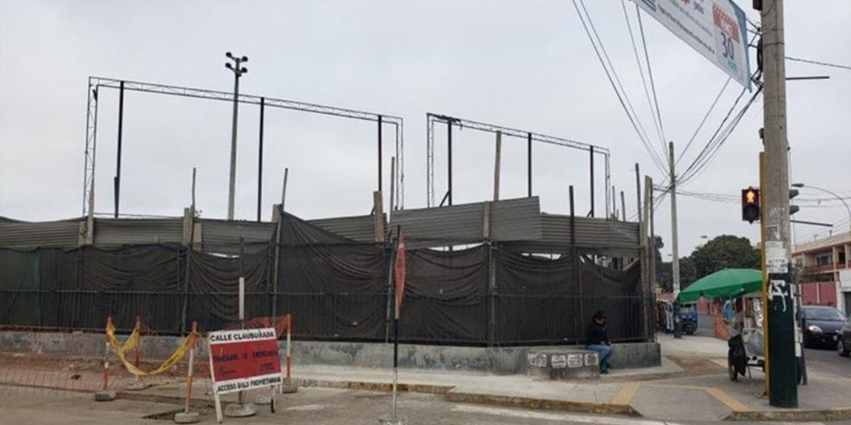
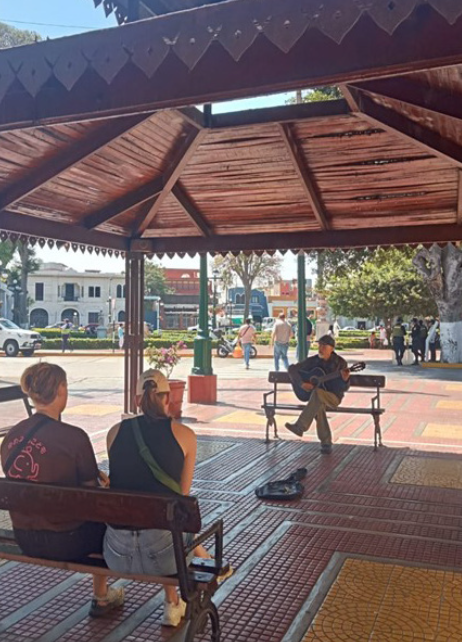
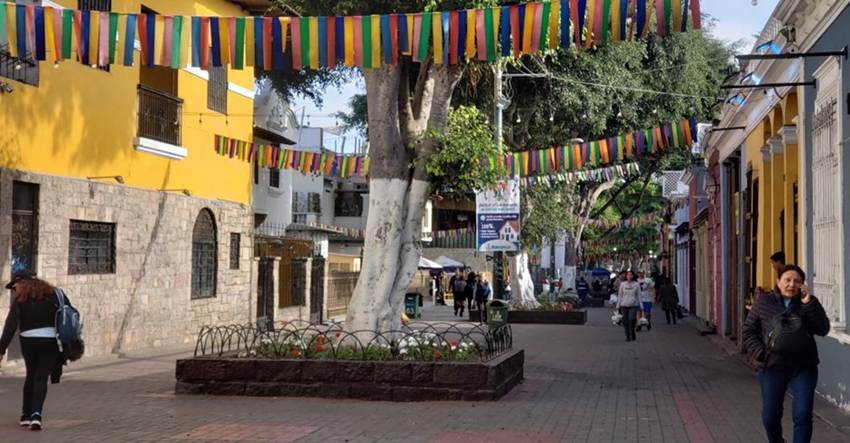
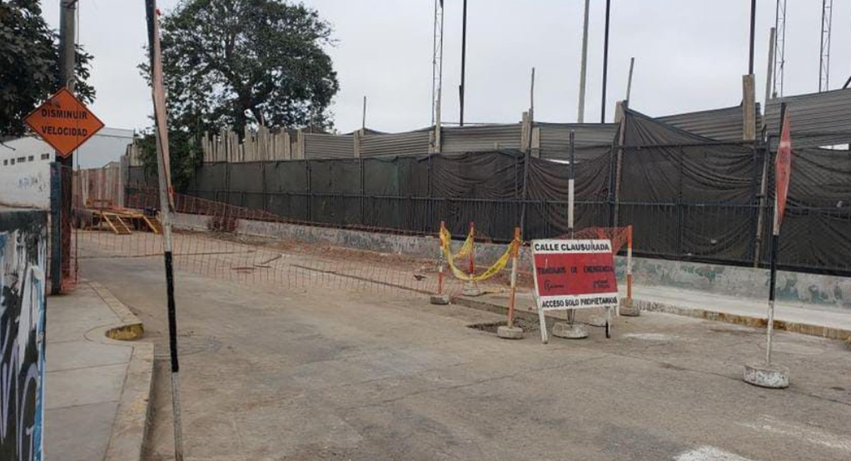
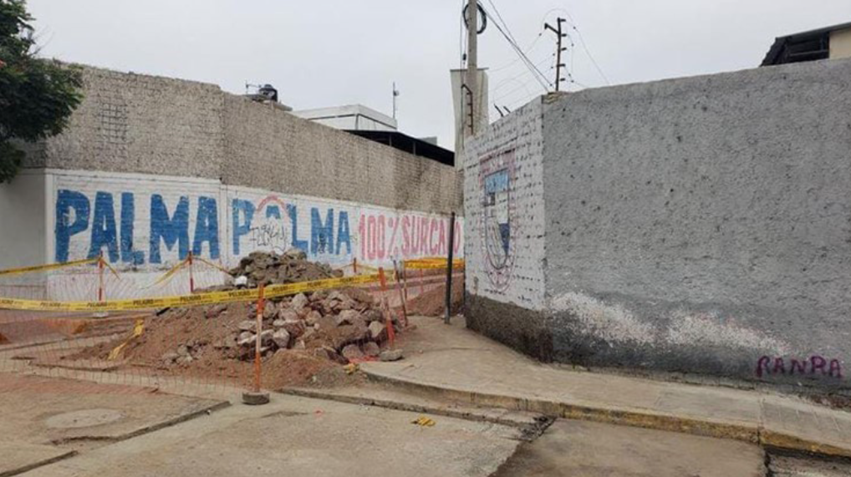
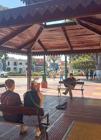
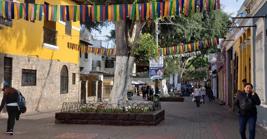
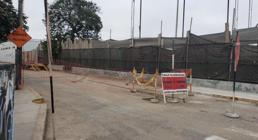
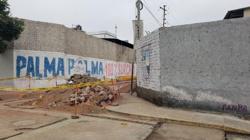
The conflict presented in Barranco revolves around the community's abandonment of its environment, thus compromising the cultural and collective identity of the district. The lack of care for public spaces, such as squares, parks and streets, has generated an emotional void that f ragments social cohesion and weakens the inhabitants' sense of belonging. This deterioration has been accentuated by constant urban changes and the privatization of various spaces, which limits the interactions and links that these places should foster. As a result, residents are moving away f rom their cultural roots and the district's sense of history. In this context, collective immanence proposes that identity and truth arise f rom social relations, rather than external impositions. Encouraging the care of public spaces and promoting initiatives are presented as keys to rebuilding and restoring community cohesion, strengthening the Barranquilla identity and making the district a place with a renewed sense of community and belonging.
Keywords:
Collective identity; urban affection; public space; social cohesion; urban memory
 Thumbnail
 Thumbnail
 Thumbnail
 Thumbnail
 Thumbnail
 Thumbnail
 Thumbnail
 Thumbnail
 Thumbnail