Teaching re-versioned visionary architecture through social media and AI-based analysis in a Theory and Criticism of Architecture course
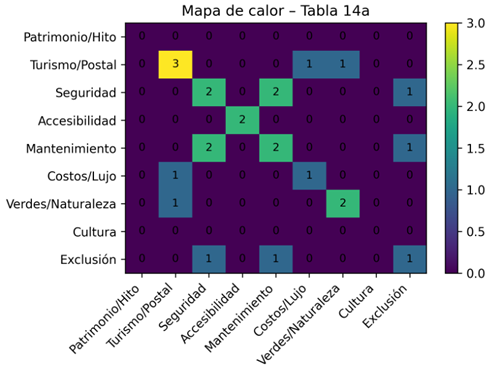
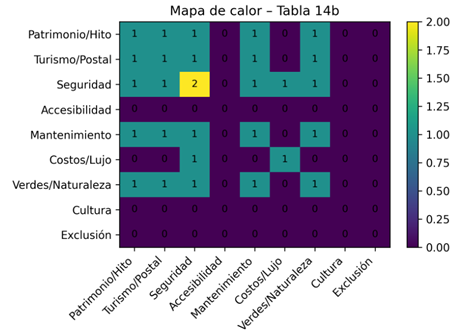
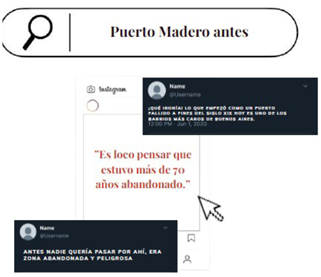
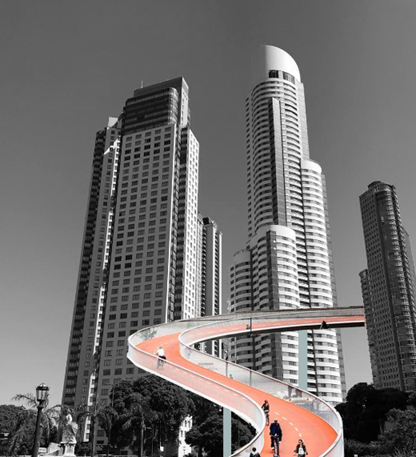
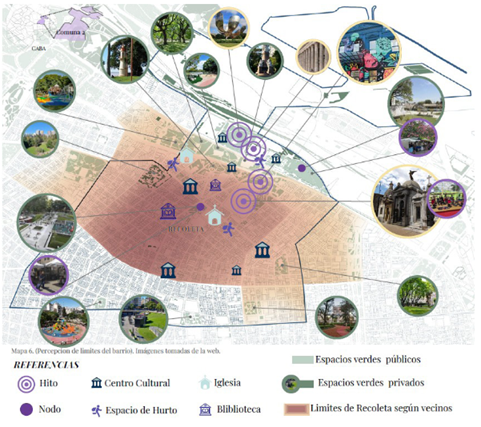
This paper examines a pedagogical-research device that connects the tradition of visionary architecture (Boullée, Ledoux, Lequeu) with contemporary visual circulation on social media, integrating critical analysis supported by AI tools under explicit transparency criteria. The device was tested in three classroom cases in the City of Buenos Aires (Argentina): Retiro, Puerto Madero and Recoleta. Findings reveal a persistent gap between the aestheticized “city image” circulating on platforms and the urban imaginary produced through lived experience: tensions around safety, maintenance, public space uses, tourism and accessibility emerge, with distinct patterns depending on morphology and activity density. The paper contributes a replicable hybrid methodology that combines platform discourse analysis, participatory fieldwork, and cartographic/statistical reading, and discusses implications for teaching architectural criticism, curricular design, and transfer to Latin American urban policy debates.
Keywords:
Visionary architecture; urban imaginary; social media; artificial intelligence; critical pedagogy; methodological triangulation
 Thumbnail
 Thumbnail
 Thumbnail
 Thumbnail
 Thumbnail
 Thumbnail
 Thumbnail
 Thumbnail
 Thumbnail