Global Forms in Modern Skyscraper Design: The Chicago CaseFormas globales en el diseño de rascacielos modernos: el caso de Chicago
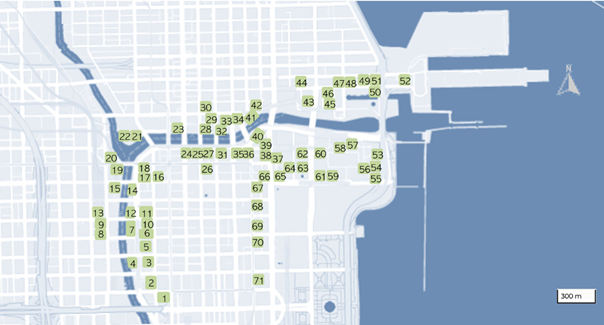
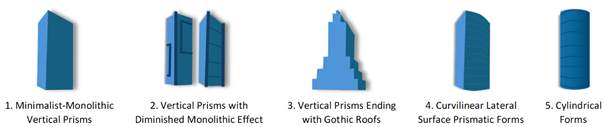
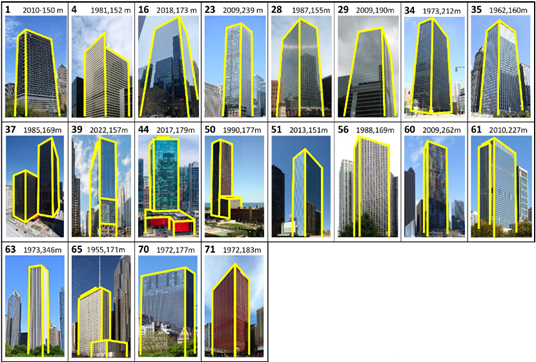
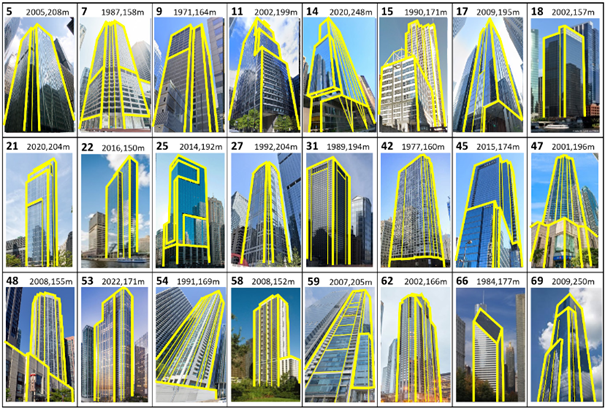
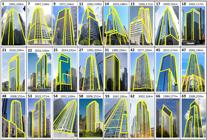
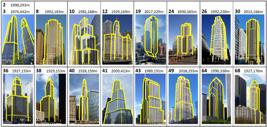
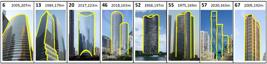
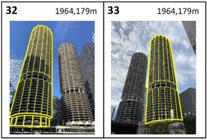
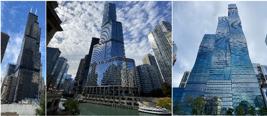
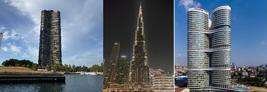
Globalization, as in many other fields, is a subject of extensive debate in architecture. The emergence of a global architectural language, particularly using similar construction techniques and universal materials, has led to an international aesthetic understanding, often prioritizing global forms over local cultural expressions. Globalization in architecture has predominantly influenced form, resulting in geographically independent design clusters spreading worldwide. This study examines these global design formations through the lens of skyscraper architecture. The study area is Chicago, recognized as the birthplace of skyscrapers and a city emblematic of skyscraper culture. Field visits to the region were conducted, and the selected area was documented photographically. The typological classifications of form discussed in the studies of Erbay (2007) and Gür (2023) were analyzed within the context of this specific study area. The aim of this study is to investigate the formal typologies of modern skyscraper architecture in Chicago by evaluating how globalization has influenced building form. The findings demonstrate that the identified design clusters align with the form classifications established in the referenced works.
Keywords:
Chicago; Global Architecture; Globalization; Modern Architecture; Skyscraper
 Thumbnail
 Thumbnail
 Thumbnail
 Thumbnail
 Thumbnail
 Thumbnail
 Thumbnail
 Thumbnail
 Thumbnail
 Thumbnail
 Thumbnail
 Thumbnail
 Thumbnail
 Thumbnail
 Thumbnail
 Thumbnail
 Thumbnail