Traditional green facades as a summer energy saving strategy in cities with an arid climate
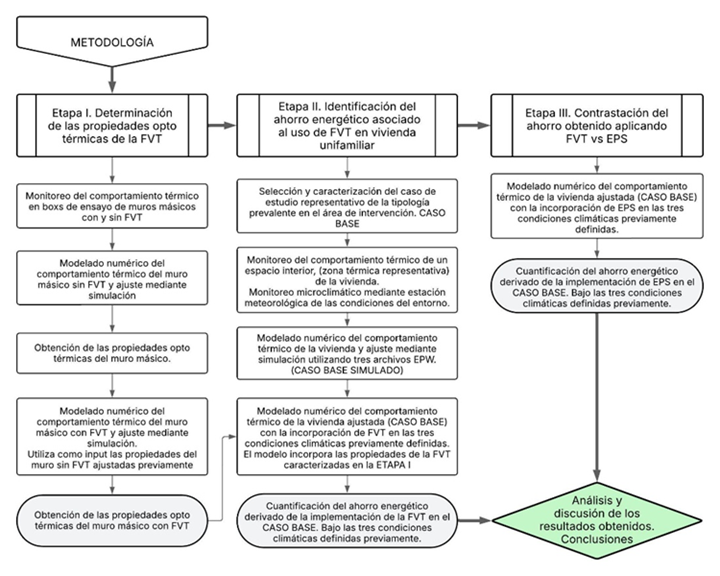
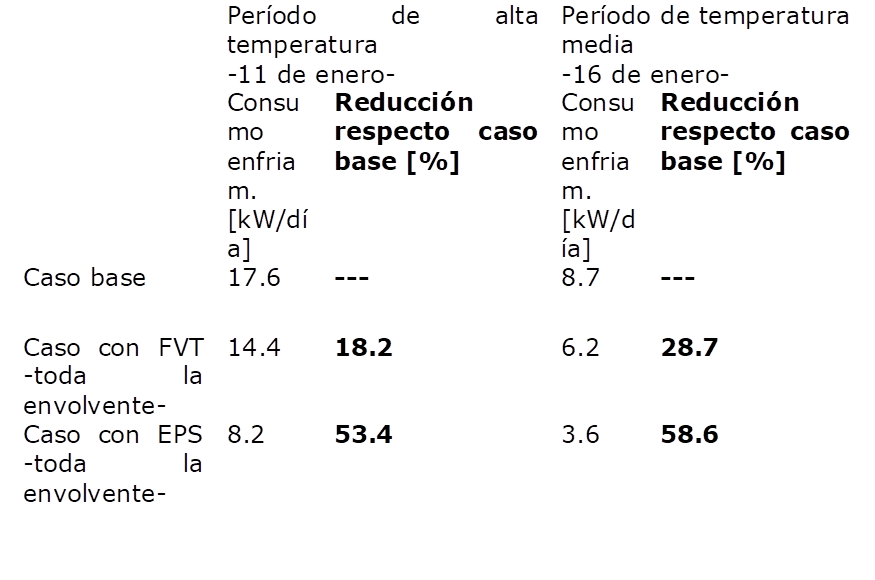
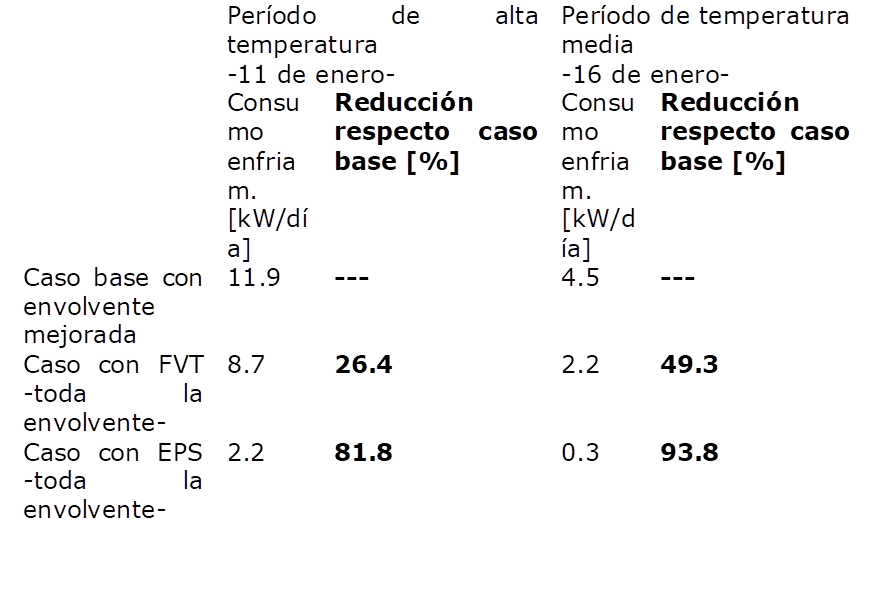
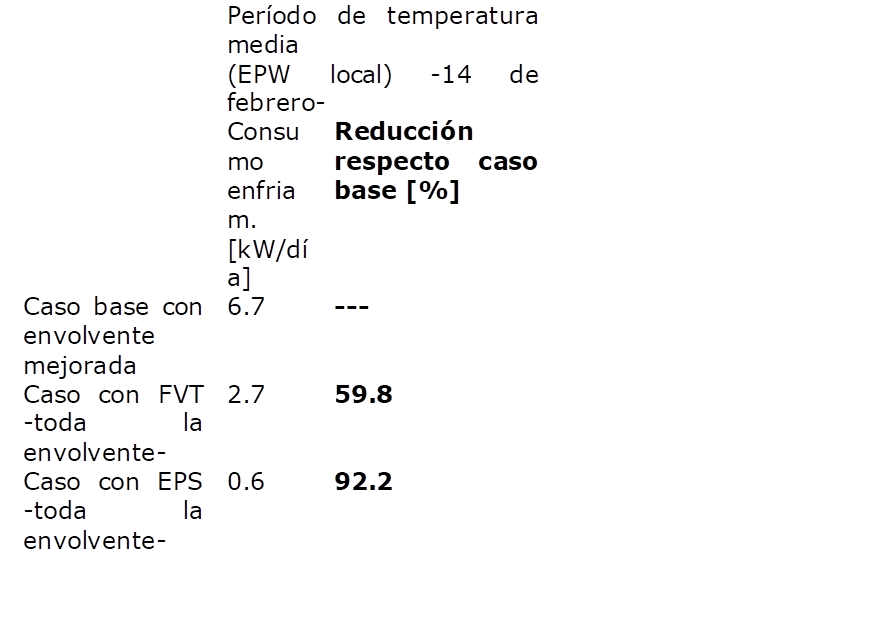
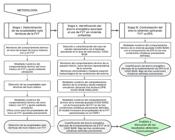
This research evaluates the impact of Traditional Green Façades (FVT) on the energy demand of a single-family house representative of the residential typology of the Metropolitan Area of Mendoza in summer. The provision of FVT is compared with the use of a traditional insulation technology (Expanded Polystyrene-EPS). The study is structured in three stages: characterization of the opto-thermal properties of the PVT, determination by thermal simulation with EnergyPlus of the energy savings associated with their implementation, and the comparison of the results achieved with those derived from the use of EPS. It is observed that insulating the entire vertical envelope through the use of FVT and EPS, generates energy savings on summer days with high temperatures, in the order of 26.4% and 81.8% for FVT and EPS respectively. And on days with average temperatures, the savings range between 49.3% and 93.8% respectively. This research identifies that the energy savings potential offered by PVF depend on the magnitude of the outside temperatures. Furthermore, the quantified energy savings are higher than those reported in the international literature, demonstrating that its use is most effective in arid climates with high levels of solar irradiance and mostly clear skies.
Keywords:
green facades; energy saving; bioclimatic architecture; sustainable development
 Thumbnail
 Thumbnail
 Thumbnail
 Thumbnail
 Thumbnail
 Thumbnail
 Thumbnail
 Thumbnail
 Thumbnail
 Thumbnail
 Thumbnail
 Thumbnail
 Thumbnail
 Thumbnail