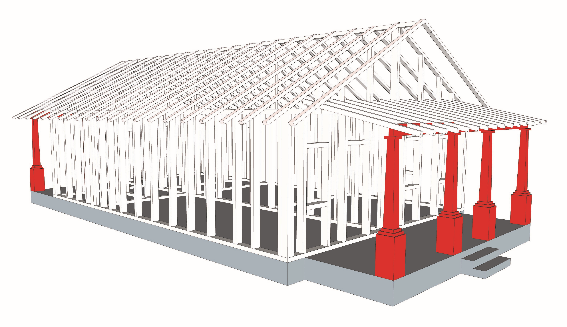
The wooden architecture in Havana: from empirical work to structural calculations, 1900-1930
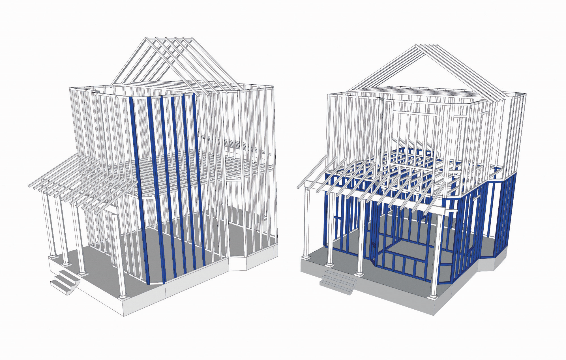
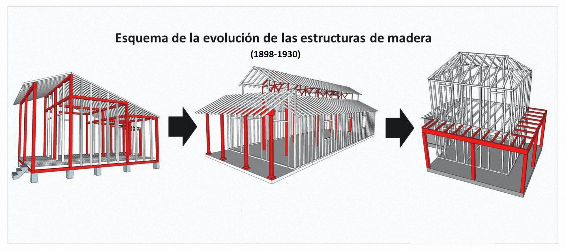
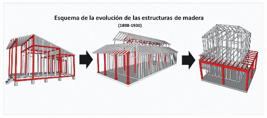
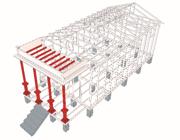
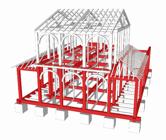
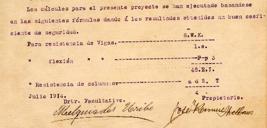
In the first third of the twentieth century, the construction of wooden structures in Cuba experienced substantial changes with the arrival of new technologies that modified the form of union of its elements and the spatial comportment of woody frames. The results of a research that aimed to analyze the technological exchange produced between the architecture of assembled wood and the technologies from the United States are presented. From the consultation of primary sources of information, the coexistence of different construction systems is documented: the traditional way of working with wood, the Balloon frame and Platform frame, its optimization when merging and how, thanks to the performance of the professionals who began to calculate these structures, the ancestral modes of trial and error were overcome.
The results achieved allow a better understanding of the architecture built with wood between 1900 and 1930 in Havana, not only from the historical point of view, but also from the design and technology and constitute an updated vision on the subject by demonstrating that the wooden architecture that is analyzed was not imported from the United States, but was elaborated on the island, by Cuban workers and also, that little of what was built at that stage used the Balloon frame type bearing scheme, as has been claimed.
Keywords:
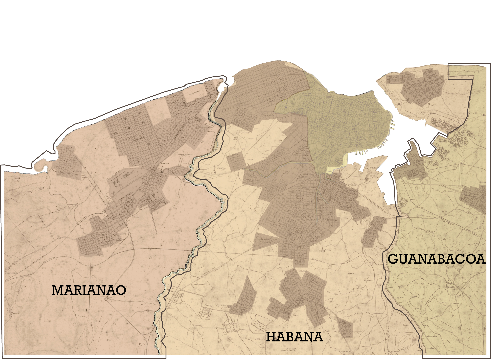
balloon frame; Havana; Marianao; platform frame; timber frame; wooden architecture
 Thumbnail
 Thumbnail
 Thumbnail
 Thumbnail
 Thumbnail
 Thumbnail
 Thumbnail
 Thumbnail
 Thumbnail
 Thumbnail
 Thumbnail
 Thumbnail
 Thumbnail