Corn and Soybeans Response to Different Water Availability at Various Stages of Crop Development
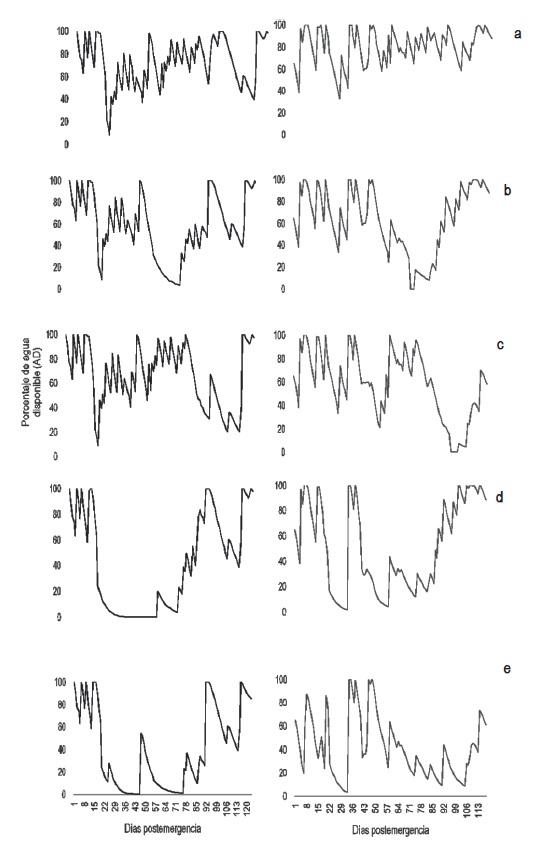
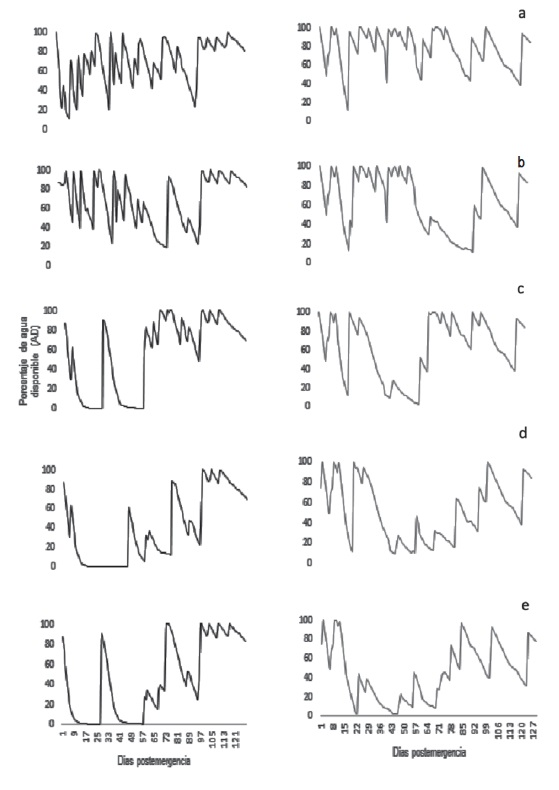
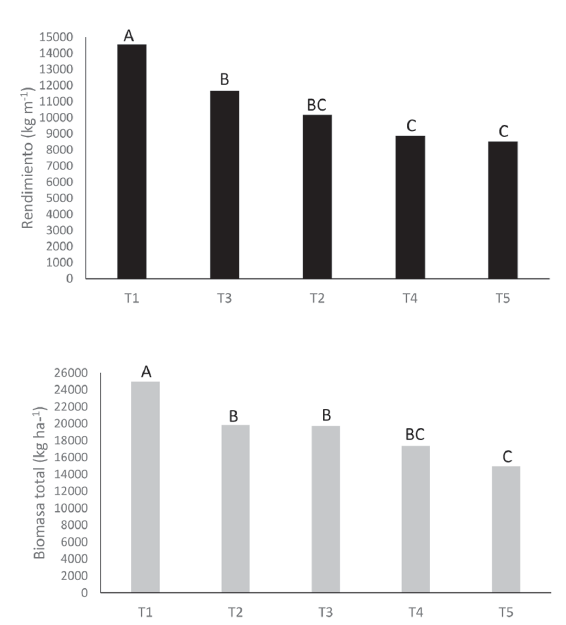
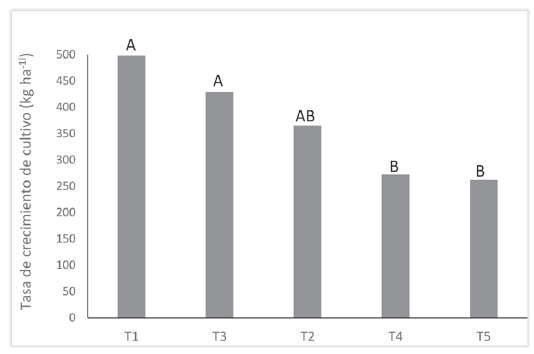
Corn and soybean crops differ in both their physiological processes and their environmental requirements. However, wateravailability during the development cycle is the main environmental factor that determines yields and their variability in rainfedcrops. The work was carried out in the irrigation field of the «Dr. Mario A. Cassinoni» Experimental Station of the School ofAgronomy located in Paysandú, Uruguay, during 2011 and 2012 seasons. The main objective was to quantify the impact ofwater deficiencies on corn and soybean yields at different stages of development. In order to do this, water deficiencies andwater-comfort conditions were induced at different stages of the crops through interception of precipitation (PP) and supplementaryirrigation so as to control the available water (AW). Results showed that the largest decreases in yields occurred whenwater deficiencies accumulated in the vegetative stages and in the critical period (CP) varying from 40 % in corn and 30 % insoybeans, in comparison to the control treatments which presented yields of 14,6 t ha-1 and 6,2 t ha-1, respectively.
Keywords:
water deficiencies; crops development stages; summer crops; water
 Thumbnail
 Thumbnail
 Thumbnail
 Thumbnail
 Thumbnail
 Thumbnail
 Thumbnail
 Thumbnail
 Thumbnail
 Thumbnail
 Thumbnail