Occupation and Pluriactivity of the Families in the Southern Region of Brazil
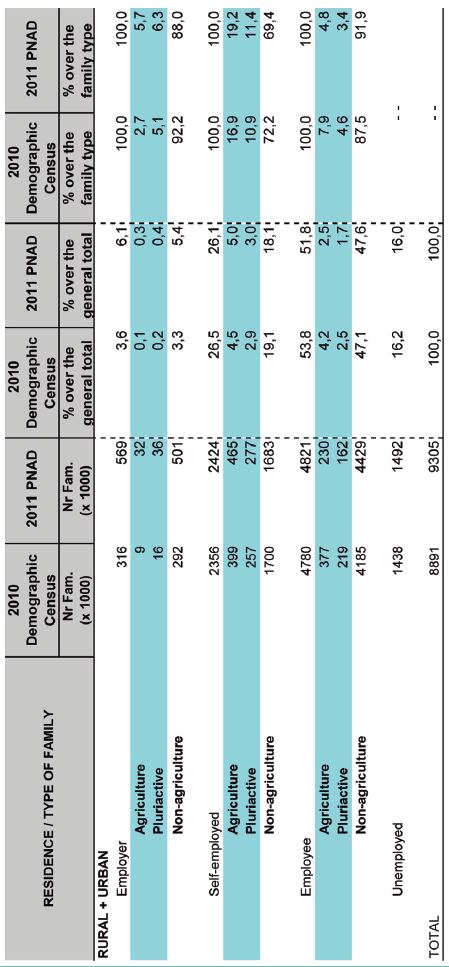
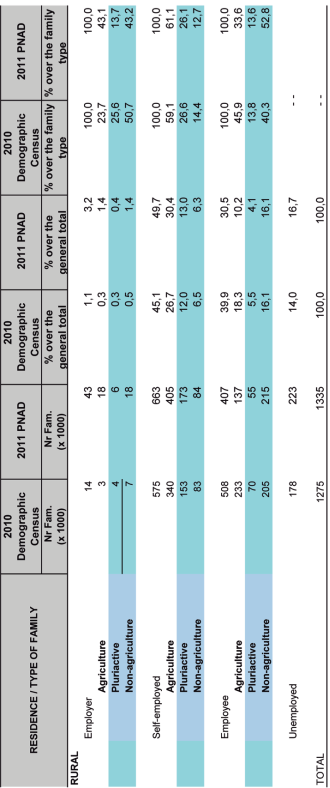
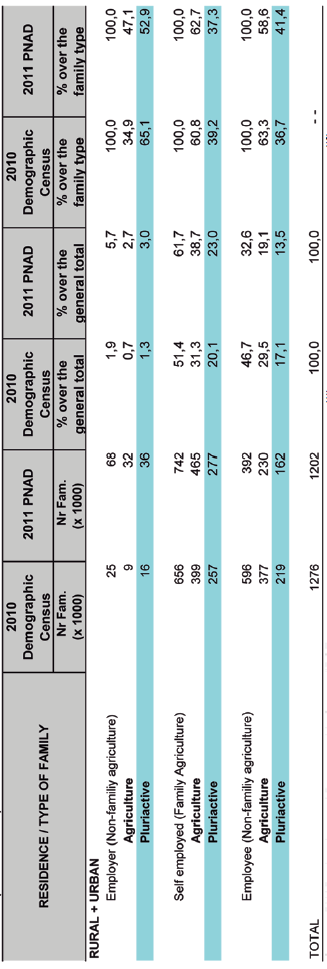
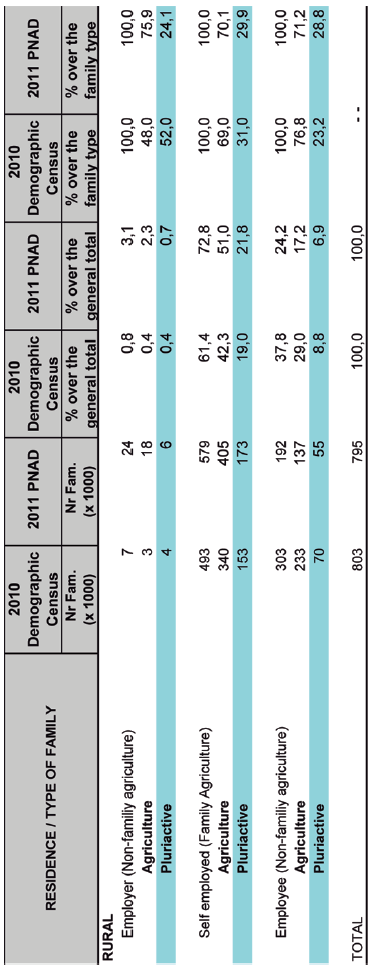
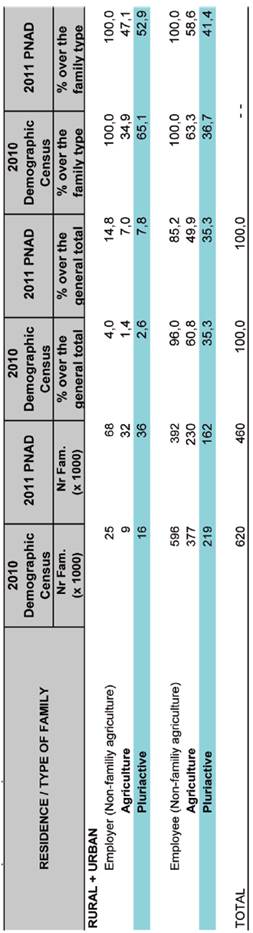
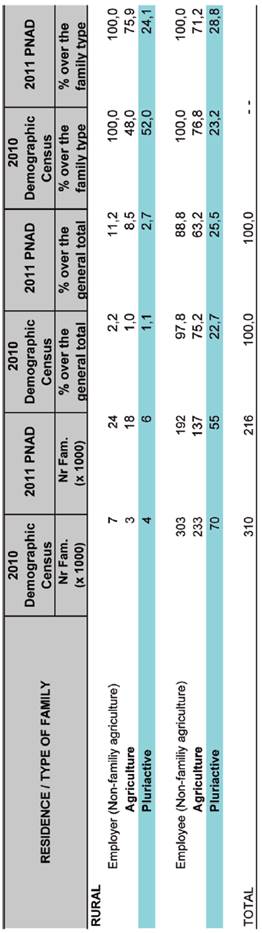
The pluriactivity of rural families is a subject of research already quite discussed in the international and national literature. However, some authors still raise questions about the reliability of the use of the data from the Continuous Survey of Households (in Brazil they are called National Household Sample Survey - PNAD). This article, focused on methodology, aims to verify the absolute and relative magnitude of families and pluriactivity in the Southern Region of Brazil by analyzing the reprocessing of microdata from the 2010 Population Census1 and microdata from the Continuous Household Survey of 20112 to verify their validity. For this, the families were separated, first, according to their position in the occupation in: employers, self-employed workers, employed workers and families of the unoccupied. For each position in the occupation, the families were subdivided according to branches of activities in: agricultural, non-agricultural and pluriactive. The results show that there are no significant differences between those obtained through the Population Census and those resulting from the Continuous Household Survey. Therefore, we concluded that both databases are valid for the continuity of the review of rural-urban relations and for rediscussing the relevance of the bi-univocal relationship between rural and agricultural and urban and non-agricultural.
Keywords:
pluriactivity; rural families; rural-urban relationship; rural development
 Thumbnail
 Thumbnail
 Thumbnail
 Thumbnail
 Thumbnail
 Thumbnail