Summary Soil organic carbon and physical properties in vegetable farms in South Uruguay
Abstract
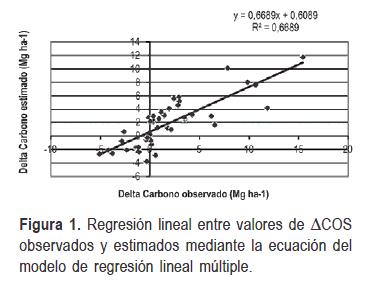
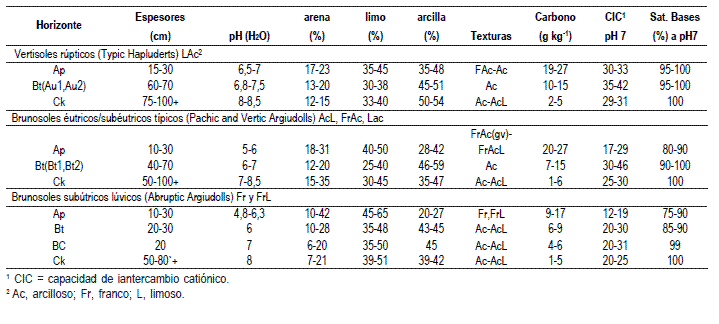
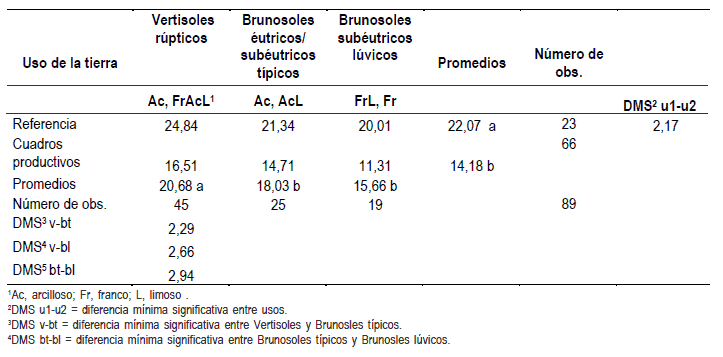
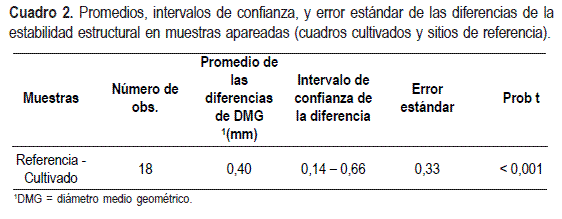
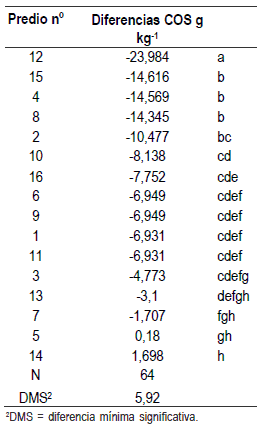
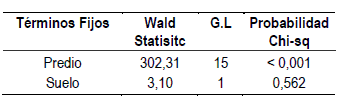
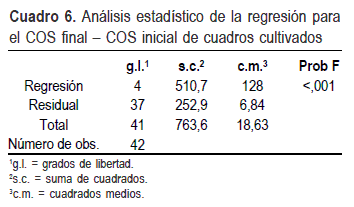
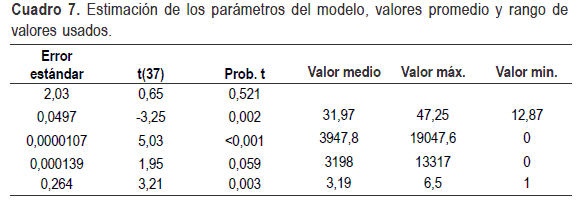
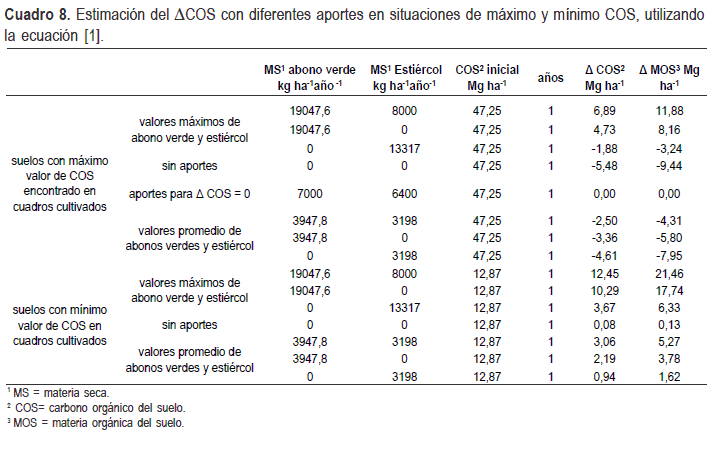
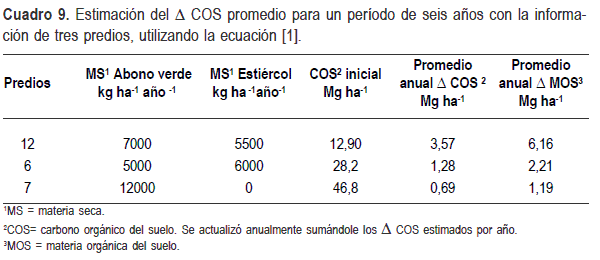
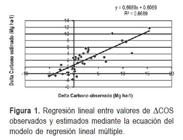
The South of Uruguay is the area of the country most severely affected by soil erosion and where the most important vegetable production area is located. Soil degradation has been aggravated by a process of intensification and specialization of the vegetable production due to an unfavorable socio-economic context and lack of adequate planning of the production systems. The objectives of this work were the description of current soil quality (Typic Hapluderts, Paquic (vertic) Argiudolls, and Abruptic Argiudolls) in 16 vegetable farms in the region, and the evaluation of the impact of improved management techniques on soil quality. We evaluated soil organic carbon (SOC), soil structure stability and the evolution of SOC in time. We found a degradation of soil quality under vegetable cropping compared to the reference sites, given by an average loss of SOC of 31 to 44% and 0.4 mm in structure stability. A linear regression model was fitted to explain the change in SOC content observed in fields under vegetable cultivation during the period under study. The change in SOC content was explained by the organic matter inputs by green manures and chicken bed, the initial SOC content and length of the period in years. This model is a simple tool to estimate the effect of soil organic amendments on SOC balance in soils under vegetable cropping in this region.
soil organic carbon; soil quality; organic amendments
 Thumbnail