Use of Modified Atmosphere Packaging in Minimally Processed and Sous Vide Products
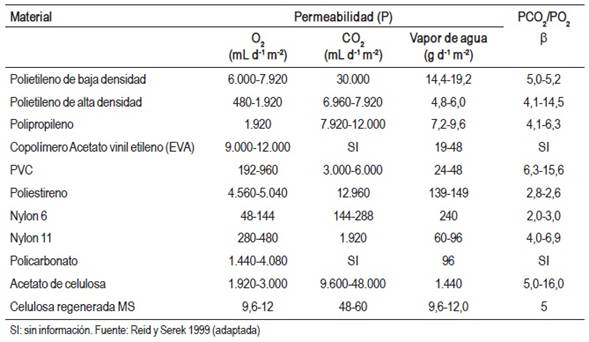
Minimally processed and sous vide vegetables are highly susceptible to deterioration and to be re-contaminated by microbialorganisms after the completion of the industrial processing. Modified atmosphere packaging (MAP) is widely used as atechnique to extend the shelf-life period of these products. The main physiological effect of commercial MAP with low O2combined with moderate and high CO2 levels is related to a decreasing of aerobic respiration, ethylene production, enzymaticbrowning, cell wall degradation, microbial growth, etc., prolonging specially the shelf-life of minimally processed compared tosous vide vegetables, which are heat treated and show a lower perishability. In order to reach the recommended equilibriumatmosphere inside the package for minimally processed, plastic film must be carefully chosen according to its permeability toO2, CO2, ethylene and water vapor, respiratory rate and weigh of the cut product, packaging, and storage temperature. In caseof sous vide, the plastic film must be resistant to heat treatment and must maintain the vacuum after processing. The use ofadequate temperatures is the main tool to keep the quality and the shelf life of these products. Therefore temperature control isessential to assure the desired MAP effect on minimally processed. It is essential the temperature control to avoid anaerobicconditions because the oxygen consumption increases quicker in the chopped vegetable than the gas film permeability of theplastic film when the temperatures rise.
Keywords:
fresh cut; packaging; postharvest; gas permeability; shelf life
 Thumbnail