Distribution of genetic diversity and reproductive system of Stipa neesiana Trin. et Rupr.
Abstract
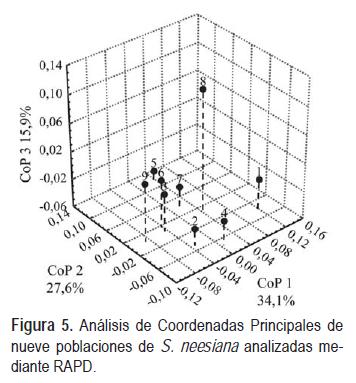
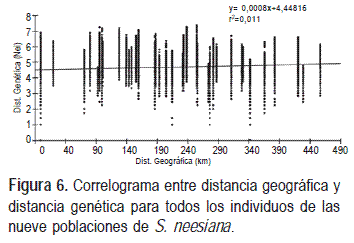
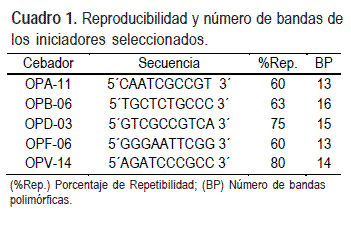
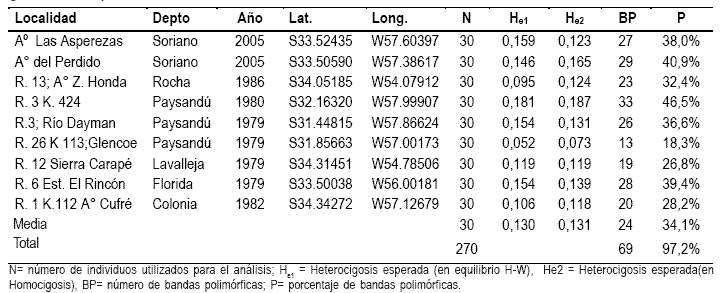
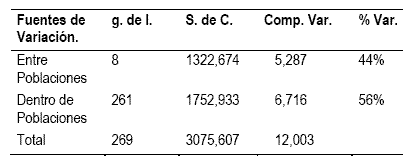
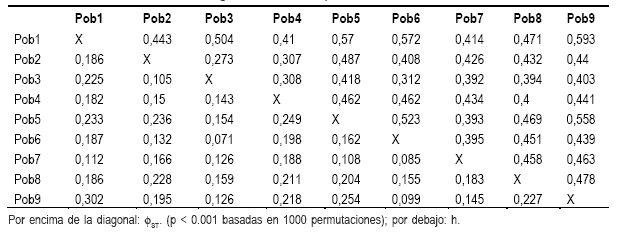
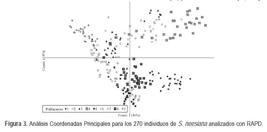
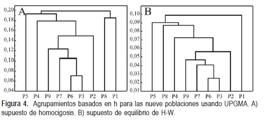
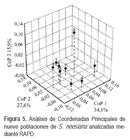
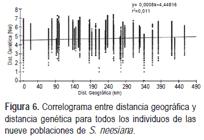
Stipa neesiana is a cool-season perennial grass valued as an important genetic resource in Uruguay. Random Amplified Polymorphic DNA (RAPD) molecular markers were used in order to characterize the distribution of genetic diversity and breeding system in this species. Five primers were selected which generated 71 RAPD bands. Using these primers, 270 individuals from nine populations and seven progenies were studied. Our results show a selfing rate close to 100%. The parameters expected heterozygosity (He) and percentage of polymorphic bands (P), showed that considerable genetic variability can be found within populations. The study of genetic variability among populations as analyzed by the estimator of Wright’s fixation index (FST) yielded a value of 0.44 which shows that there is significant differentiation among populations. A pattern of isolation by distance was not observed; however, structuring in the genetic distances among populations can be observed in the groupings recovered.
genetic structure; native forage grass; molecular markers; RAPD; genetic resources
 Thumbnail
 Thumbnail
 Thumbnail
 Thumbnail
 Thumbnail
 Thumbnail