Emergency and Growth of Passionfruit Following Different Seeding Dates and Stimulant Use, in Subtropical Autumn and Winter
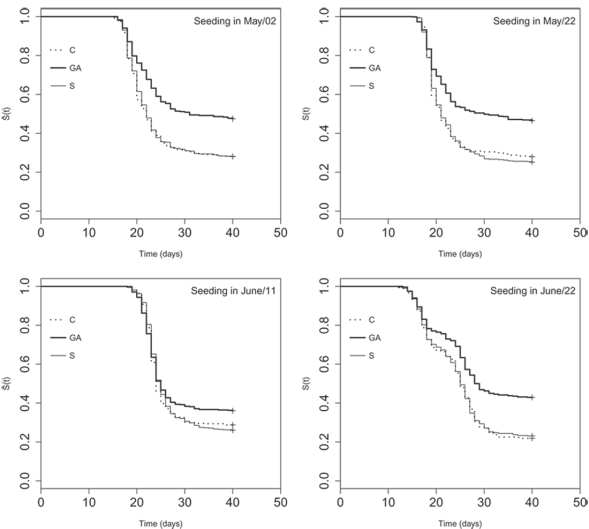
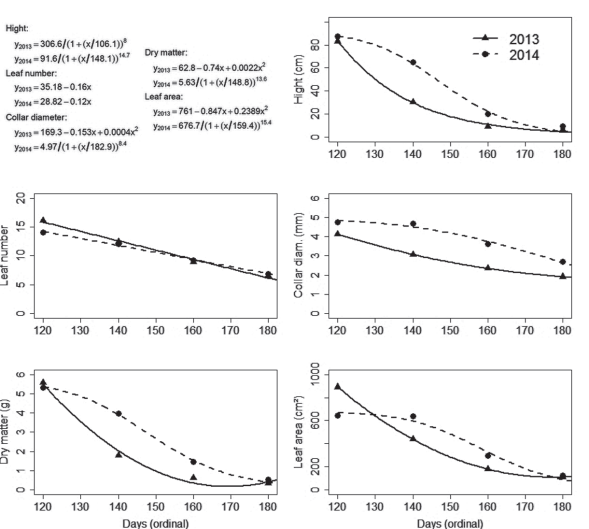
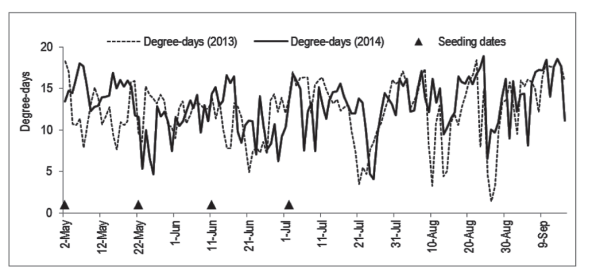
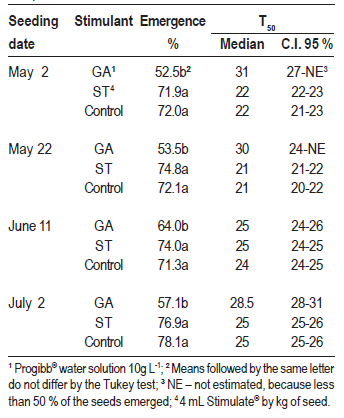
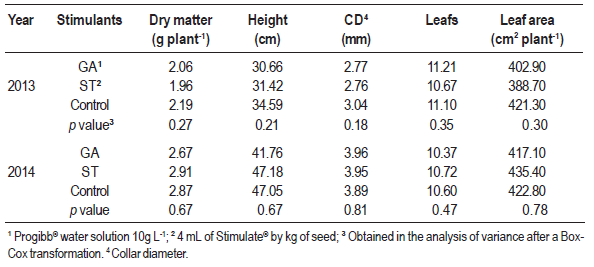
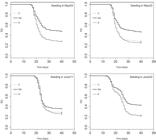
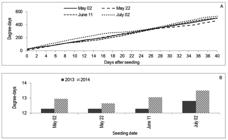
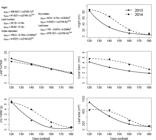
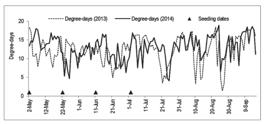
The yellow passionfruit (Passiflora edulis f. flavicarpa) is well adapted to tropical temperatures. Under subtropical conditions, winter temperatures limit its growth. Some treatments with biostimulants promote germination and seedling initial growth. The objective of this work was to evaluate emergency and growth of passionfruit seedlings under different seeding dates and seed treatments. Two stimulants were tested: gibberellic acid (GA) 1000 mg L-1 in water soaking and a stimulant (ST) composed of 90 mg L-1 kinetin, 50 mg L-1 gibberellic acid and 50 mg L-1 indolbutiric acid (IBA) applied without dilution (4 mL kg-1). Seeding dates were May 2, May 22, June 11 and July 2 for 2013 and 2014. Emergency in the ST treatment was similar to the control but was reduced by GA treatment. GA increased the time needed for the seeds to emerge. Seedling growth evaluated on September 15, in two years, was not significantly modified by any stimulant. Seeding dates did not influence emergency percentage, but in the two latest dates the emergence was slower. The later the sowing dates, the smaller the seedling growth, and the models fitted to the response were different according to the characteristics evaluated and the year.
Keywords:
Passiflora edulis; gibberellic acid; kinetin; IBA; seed
 Thumbnail
 Thumbnail
 Thumbnail
 Thumbnail
 Thumbnail
 Thumbnail