Associative family farming: Cattle producers groups of the National Institute of Colonization (INC)
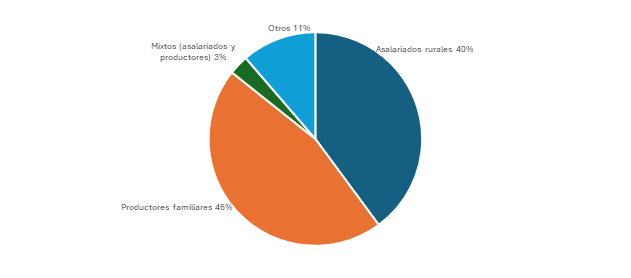
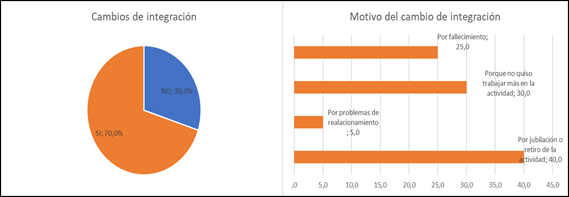
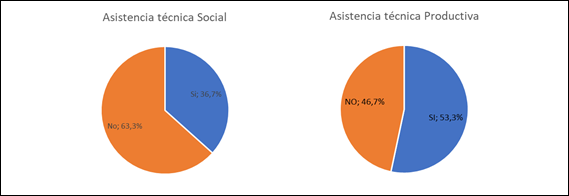
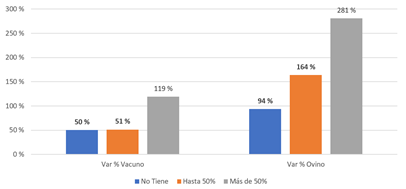
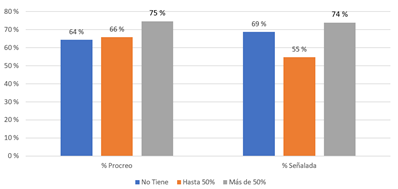
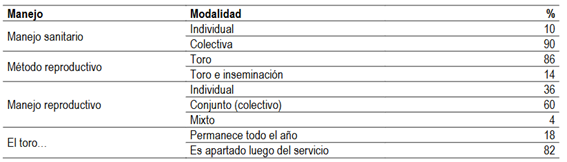
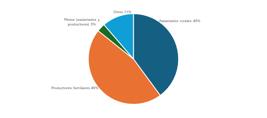
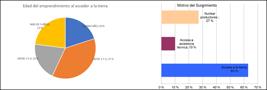
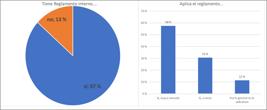
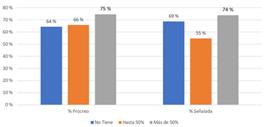
Since 2005, the INC has facilitated access to land for family producers and rural wage earners, through a policy of associative livestock enterprises. The research studies and evaluates group colonization in livestock, in its organizational, economic and productive results. It is based on a quantitative design, using the survey technique as a primary information collection method. A representative statistical sample of livestock groups throughout the country (confidence level: 95%; margin of error +- 3%), stratified by departments and group sizes, was determined. 30 group surveys were carried out, applying a structured questionnaire with closed and open questions to referents of each group. The results show a policy consistent with the promotion of family farming and that the forms of organization are flexible enough to process the emerging group dynamics (integration changes, establishment of roles, etc.), which allow and confirm their temporal stability. At the economic-productive level, an increase in working capital was observed and, in the average of the groups, productivity levels similar to the national average. Significant increases in productivity (% of procreation and % of branding) and statistically significant (bivariate correlations, Pearson's correlation coefficient) were observed, associated with the existence of collectively owned capital and reproductive management (concentrated mating period at 24 months). These aspects have been little studied and are very significant for the evaluation of policies and organizational forms of family livestock production.
Keywords:
family production; associative work; livestock; public policies
 Thumbnail
 Thumbnail
 Thumbnail
 Thumbnail
 Thumbnail
 Thumbnail
 Thumbnail
 Thumbnail
 Thumbnail